2026 Best CNC Bushing Manufacturers for Global Buyers?
Global buyers entering 2026 need more than a supplier list. They need evidence. A Cnc Bushing manufacturer must demonstrate stable tolerances, material traceability, repeatable production, and dependable export support. These details matter in automotive fixtures, hydraulic equipment, robotics, and industrial machinery.
Industry data supports this demand. The International Federation of Robotics reported 541,302 new industrial robot installations worldwide in 2023, showing continued investment in automated production. Higher automation also increases the need for accurately machined bushings, especially where vibration, heat, and continuous movement affect service life. Grand View Research has identified ongoing growth in the global CNC machine market, driven by aerospace, automotive, electronics, and medical manufacturing. These sectors usually expect documented inspection results, not only attractive quotations.
Quality must be visible.
This 2026 guide evaluates leading Cnc Bushing manufacturers through practical buyer criteria. These include machining capability, bronze and steel material options, surface treatment, dimensional inspection, minimum order flexibility, packaging, lead times, and after-sales communication. ISO 9001 certification can support process confidence, but certification alone does not prove every shipment is consistent. Production samples, coordinate-measuring-machine reports, and clear corrective-action records provide stronger evidence.
No ranking is perfect. Supplier performance can change with equipment, staffing, raw-material availability, or regional logistics. Buyers should verify current certificates and inspect critical samples before signing long-term contracts. A cheaper bushing may become expensive after premature wear, line stoppages, or repeated rework. The manufacturers below are selected to help global purchasers compare capability with caution, evidence, and real operating needs.
What Are CNC Bushings and Why Do Global Buyers Need Them?
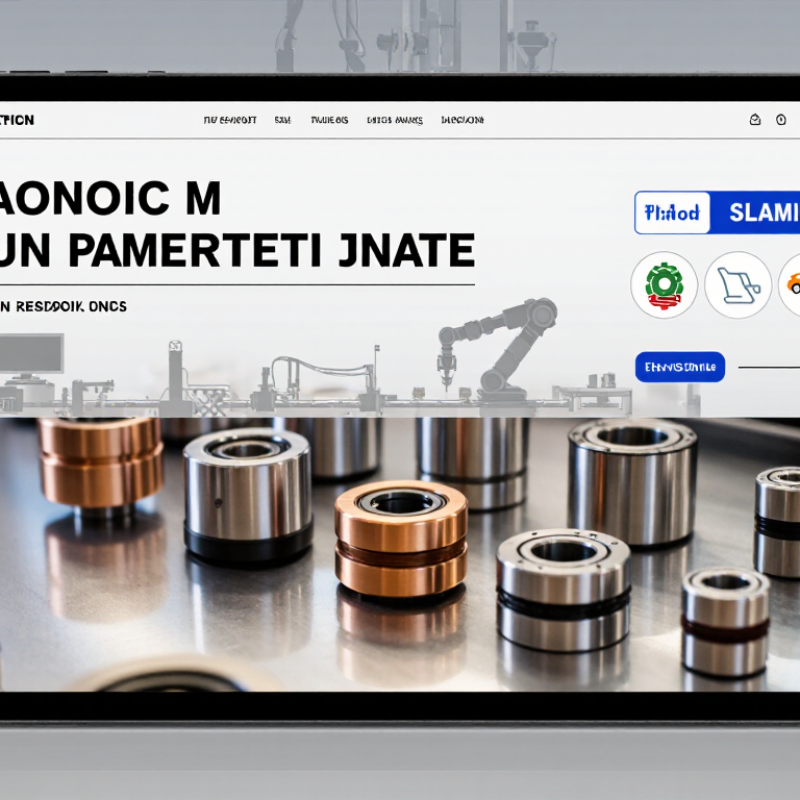
CNC bushings are precision-machined sleeves that guide, space, or support moving parts. They reduce friction between shafts, housings, and linkages. Unlike rolling bearings, bushings have no balls or rollers. Some operate dry. Others require oil or grease. Common materials include bronze, stainless steel, hardened steel, and engineering plastics. Material choice depends on load, speed, temperature, corrosion, and maintenance access.
Global buyers need CNC bushings because one small dimensional error can damage an expensive assembly. A bushing with an incorrect inner diameter may create shaft play, noise, or premature wear. Grand View Research estimated the global CNC machine market at about USD 88.35 billion in 2023, with strong growth forecast through 2030. That expansion reflects wider demand for repeatable, digitally controlled machining. It also increases pressure on buyers to verify tolerance and delivery capability.
A reliable sourcing process checks inner diameter, outer diameter, length, concentricity, surface finish, and material certificates. Suppliers should provide inspection records, drawing control, and batch traceability. ISO 286 tolerance principles can support clearer fit requirements between shafts and bores. Yet a catalog number rarely tells the full story. Real applications change under heat, vibration, and contamination. Even experienced buyers miss that detail. Requesting a prototype or first-article inspection can expose problems before mass production. A perfect specification is still a myth.
CNC bushings are precision sleeves used to reduce friction, guide movement, and protect shafts in machinery.
Material selection depends on temperature, load, corrosion exposure, lubrication requirements, and dimensional stability.
The chart shows representative upper continuous operating temperatures for commonly used bushing materials; actual limits vary by grade, load, speed, and manufacturer specifications.
How to Evaluate CNC Bushing Manufacturers in 2026
In 2026, evaluating a CNC bushing manufacturer should begin with evidence, not catalog language. Ask for drawings, tolerance tables, material certificates, and inspection records for the exact part. A polished website is not proof. Confirm whether the factory machines bronze, steel, stainless steel, or engineered polymers in-house. Review equipment age, spindle capacity, and secondary operations. These details affect concentricity, surface finish, and delivery stability. Request a recent sample from the intended production line. Measure bore diameter, outer diameter, wall thickness, and runout independently. Small deviations can create noise, heat, or premature wear.
Quality systems deserve close inspection. Check procedures for incoming material, first-article approval, in-process checks, and final release. Ask how gauges are calibrated and how failed parts are isolated. Reliable suppliers can show lot traceability without hesitation. For critical bushings, request capability data rather than one favorable report. Cp and Cpk values help, but only when tied to realistic production batches. Verify packing methods, corrosion protection, and labeling before approving shipment. Packaging is often treated as minor. It should not be.
Technical communication is another practical test. Send a clear drawing with load, speed, temperature, lubrication, and mating-shaft requirements. Evaluate whether engineers identify missing information or accept every assumption. That response reveals experience. Compare lead time against actual machine capacity and staffing, not promises alone. A factory may offer a lower price while creating more inspection work. I have seen sourcing teams overlook change-control discipline, then receive an unapproved material substitution. That mistake is avoidable. Still, no audit predicts every problem. Use a trial order, define acceptance criteria, and review results before expanding volume.
Which Materials and Manufacturing Processes Matter Most?
2026 Best CNC Bushing Manufacturers for Global Buyers?
Material selection often determines whether a CNC bushing survives real service. Bronze handles sliding loads well and supports reliable lubrication. Brass suits moderate loads and offers useful corrosion resistance. Stainless steel performs better in wet or chemically aggressive environments. PEEK, PTFE, and nylon can reduce weight and friction, but temperature limits require careful review. There is no perfect material.
Manufacturing quality matters just as much. CNC turning creates accurate outside diameters, while boring and reaming improve internal fit. Grinding may be necessary when tight tolerances affect shaft movement. Surface roughness, concentricity, hardness, and edge finishing should appear on inspection records. Ask manufacturers how they control batches, not only how they produce samples. A beautiful prototype can hide inconsistent production. That deserves attention.
Tips: Match the bushing to load, speed, temperature, lubrication, and corrosion exposure. Request material certificates and dimensional reports. Confirm whether tolerances are realistic for the chosen process. I would also test a small production lot before approving a large order. Mistakes often begin with incomplete operating data.
How to Compare Quality, Certifications, Pricing, and Lead Times
For global buyers, comparing CNC bushing manufacturers starts with measurable quality, not attractive photographs. Request a dimensional inspection report for bore diameter, outside diameter, concentricity, and surface roughness. A reliable supplier should provide material certificates, hardness results, and traceability for each production batch. ISO’s Survey 2023 recorded more than one million ISO 9001 certificates worldwide, but certification alone does not prove process control. Ask for calibration records and sample inspection data.
Certifications should match the application. Automotive buyers may require IATF 16949, while aerospace work often demands stronger traceability and special-process controls. Environmental requirements may justify ISO 14001. Verify certificates through the issuing body. Small details matter. Pricing should include tooling, setup, packaging, inspection, freight, and rejected-part handling. A lower unit price can hide expensive assumptions. Compare total landed cost, not only the quotation line.
Lead time deserves evidence. Request a production schedule showing raw-material purchasing, machining, heat treatment, inspection, and shipping. The 2023 World Bank Logistics Performance Index shows substantial differences in customs and delivery performance between countries, so location affects risk. Ask for historical on-time delivery data and a contingency plan for material delays. A practical test is a pilot order with ten to fifty bushings, measured at arrival. It may reveal issues that polished samples conceal. Some buyers still overlook this step. That is a costly weakness.
What Questions Should Buyers Ask Before Choosing a Supplier?
What Questions Should Buyers Ask Before Choosing a CNC Bushing Supplier?
A global buyer should ask how the supplier controls material, machining, and inspection. Which alloys, polymers, or bronze grades are traceable to mill certificates? Can the factory hold the required inner diameter, outer diameter, and wall thickness? Ask for actual inspection records, not only a capability statement.
ISO’s 2023 Survey reported more than 1.26 million ISO 9001 certificates worldwide.
However, certification does not prove consistent bushing quality for every production batch.
Request sample parts with measured results. Check surface roughness, roundness, hardness, and clearance after installation. What is the supplier’s Cpk result for critical dimensions? Can its equipment inspect parts at the same accuracy as your drawing requires?
A serious manufacturer should explain gauge calibration, corrective actions, and lot traceability.
Details matter.
A scratched sample or unclear measurement method deserves attention.
Ask about application conditions too. What load, speed, temperature, moisture, and lubrication will the bushing face? A supplier relying on generic material advice may overlook premature wear.
Industry research from Grand View Research valued the global CNC machine market at about 88 billion dollars in 2023, showing intense manufacturing demand.
Yet higher capacity does not always mean better control.
Buyers should confirm monthly capacity, realistic lead times, packaging, export documents, and replacement support. I would also audit one production line, if possible. A polished showroom can hide weak process discipline.
The uncomfortable question remains: what happens when the first shipment fails?