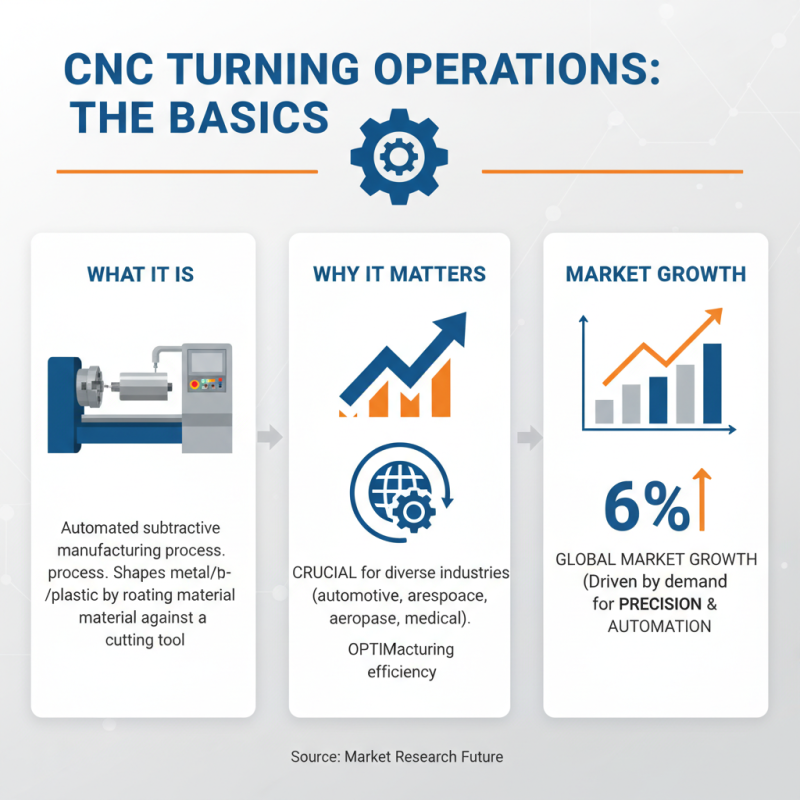
CNC Turning is a crucial process in modern manufacturing. It allows for precise shaping of materials like metal and plastic. With advances in technology, CNC Turning techniques have evolved significantly. Understanding these techniques can enhance efficiency and product quality.
In this guide, we explore ten essential CNC Turning techniques. Each technique has its own unique advantages and intricate details. Familiarity with these methods can lead to improved outcomes and increased productivity. However, mastering CNC Turning requires practice and thoughtful consideration.
It's important to recognize that even experienced operators may face challenges. Mistakes can happen during the turning process, impacting the final product. Learning from these experiences is essential for growth in CNC Turning. By reflecting on past projects, operators can refine their skills and techniques effectively.
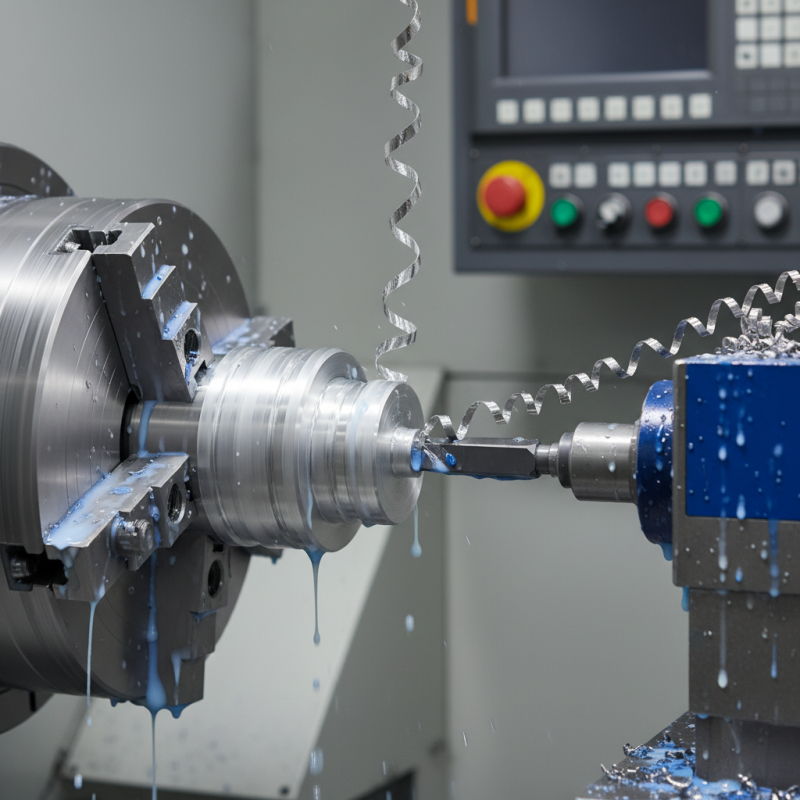
CNC turning is pivotal in precision manufacturing, enhancing both efficiency and accuracy. This technique involves rotating a workpiece against a tool to shape materials into desired forms. According to a recent industry report, CNC turning can increase production rates by up to 50%, showcasing its impact on operational effectiveness.
Understanding key CNC turning techniques is crucial. For example, mastering optimal spindle speeds can significantly improve the quality of the finished product. Effective use of coolant minimizes heat distortion, ensuring tighter tolerances. Moreover, implementing the right tool types can lead to better surface finishes. Different materials require unique approaches, so a one-size-fits-all strategy often falls short.
Tips: Always conduct preliminary tests with settings to refine your process. Regular maintenance of CNC equipment is vital. Downtime can compromise precision, so prioritize machine upkeep. Progress in technology continues; staying updated with advancements is essential. Ignoring new capabilities might restrict growth in a competitive market. Knowledge and adaptation are crucial in this ever-evolving field.
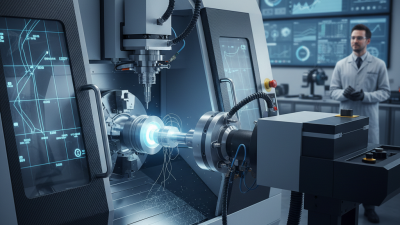
This chart illustrates the effectiveness of various CNC turning techniques on a scale from 1 to 10. Understanding these techniques is essential for precision manufacturing.
CNC turning is a vital manufacturing process used in various industries. Understanding its basics is crucial for optimizing operations. A study by Market Research Future indicates that the CNC machine market is projected to grow by 6% annually from 2020 to 2025. This growth highlights the increasing importance of efficient CNC turning techniques.
CNC turning involves rotating a workpiece against cutting tools to create precise shapes. Important parameters include spindle speed and feed rate. According to the Society of Manufacturing Engineers, the choice of cutting tools can influence production efficiency by up to 30%. Operators often face challenges like tool wear and vibration, which can lead to inaccuracies. Regular maintenance and proper programming help to mitigate these issues.
The popularity of CNC turning is partly due to its versatility. It can handle a wide range of materials, including metals and plastics. However, operators must remain vigilant. Small errors in setup can multiply into significant defects. Continuous training and adherence to best practices are essential for minimizing these risks. Embracing technology and learning from past mistakes can enhance the overall performance of CNC turning operations.
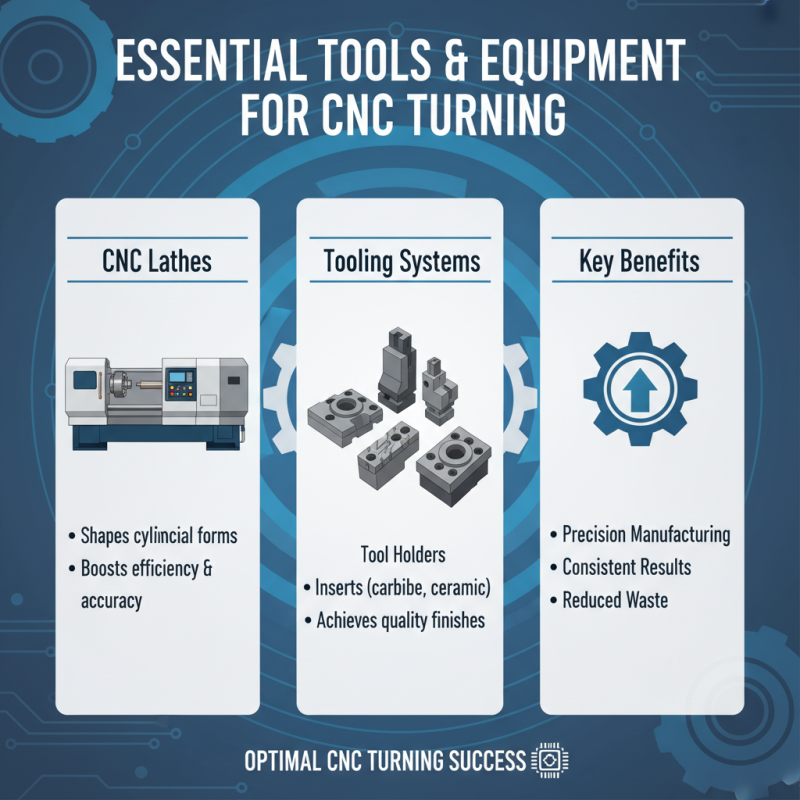
CNC turning is a precise process that requires the right tools and equipment for optimal results. Key components include CNC lathes, which are vital for shaping materials into cylindrical forms. A reliable lathe can enhance efficiency and accuracy in production. Additionally, tooling systems such as tool holders and inserts play a significant role in achieving high-quality finishes.
Cutting tools must be carefully selected based on the material being processed. Carbide inserts are popular for their durability and effectiveness in various applications. However, regular monitoring is essential. Tool wear can affect the quality of the final product. Operators should constantly check and replace them to maintain precision.
Beyond tooling, measuring instruments such as calipers and gauges ensure dimensional accuracy. Implementing a robust workflow with proper alignment checks is crucial for successful turning. Many operators overlook maintenance routines, leading to unexpected downtimes. Investing time in equipment care can prevent issues and extend the lifespan of tools. Understanding these essentials can simplify the journey toward CNC turning excellence.
In CNC turning, optimizing feed rates and speeds is crucial for effective machining. Understanding the balance between these elements can lead to improved production efficiency. The feed rate determines how quickly the tool moves across the material. A higher feed rate can increase productivity but may compromise surface finish and tool life. Conversely, a slower feed rate may yield a better finish but can extend cutting time. Finding the right balance requires experience and careful experimentation.
Speed is another critical factor in CNC turning. The spindle speed affects the cutting action. Too high a speed can cause overheating and tool wear. Too low a speed can lead to ineffective cutting and even workpiece damage. Operators must understand the material properties and tool specifications. Trial and error often reveals the optimal parameters. Continuous monitoring during operations allows for immediate adjustments, enhancing overall performance.
It’s essential to reflect on past experiences and learn from them. Each machining project presents unique challenges. Evaluating previous results helps in making informed decisions for future jobs. Issues such as chatter or tool failure provide valuable learning opportunities. Engaging in ongoing education and training can also ensure that operators stay updated on best practices in feed rates and speeds. This commitment to improvement fosters a culture of excellence in CNC turning.
CNC turning processes offer efficiency and precision, yet they come with their own set of challenges. One significant issue is tool wear, which affects the quality of the finished product. According to industry studies, nearly 30% of production delays are linked to tool degradation. Regular monitoring and timely replacements can mitigate this problem, ensuring consistent output quality.
Another common challenge is maintaining dimensional accuracy. Machining inaccuracies can lead to costly rework. Research indicates that 15% of CNC turning operations face issues related to tolerances. Implementing advanced measuring techniques can help manufacturers stay within the required specifications.
Lastly, managing chip formation is crucial. Poor chip removal can cause tool breakage and machine downtime. Reports show improper chip management accounts for approximately 20% of machining failures. Adopting strategies like optimizing feed rates can alleviate these problems, enhancing both productivity and machine lifespans.
| Technique | Description | Common Challenges | Solutions |
|---|---|---|---|
| Basic Turning | Standard method for shaping materials into cylindrical forms. | Tool wear and material deformation. | Use high-quality tools and adjust feed rates accordingly. |
| Face Turning | Machining the flat surface of a workpiece. | Surface finish quality issues. | Implement fine feed rates and optimal cutting speeds. |
| Boring | Increasing the diameter of existing holes with precision. | Wrong tool size and alignment issues. | Regular tool checking and precise alignment before operation. |
| Drilling | Creating holes in a material for various purposes. | Bit breakage and misalignment. | Use suitable bits and secure the workpiece firmly. |
| Grooving | Cutting a groove into the workpiece for seating or seals. | Tool chatter and poor depth control. | Adjust cutting parameters and use dampened tools. |
| Parting | Separating a workpiece into smaller parts. | Risk of tool breakage and vibration. | Optimize speeds and keep the tool stable during cuts. |
| Taper Turning | Creating a conical shape on a workpiece. | Precision errors in angle cuts. | Ensure correct setup of tool angles and depth. |
| Knurling | Creating a patterned texture on the surface. | Tool slipping and incomplete impressions. | Proper tool pressure and consistent feed rates. |
| CNC Programming | Using software to program CNC machines for precise operations. | Software compatibility and programming errors. | Regular updates and training on software usage. |
| Tool Selection | Choosing the right tool for specific materials and techniques. | Wrong tool can lead to failures. | Consult tooling catalogs for appropriate selections. |