How to Choose the Right CNC Bushing for Your Project?
Choosing the right CNC bushing for your project is crucial. The correct bushing impacts performance, efficiency, and longevity of your equipment. CNC bushings are designed to guide and support moving parts. A flawed choice can lead to increased wear and tear on your machinery.
Different materials and sizes can dramatically affect results. For instance, brass bushings offer excellent durability while plastic options may reduce friction. It's essential to understand your specific application's demands. Not considering load capacity or environmental factors can lead to costly mistakes.
Evaluating specifications before making a decision is vital. Seek expert advice if you're unsure about your needs. Remember, a well-fitted CNC bushing enhances accuracy and operational smoothness. Taking the time to choose wisely will save you from future challenges.
Understanding CNC Bushings: Types and Functions
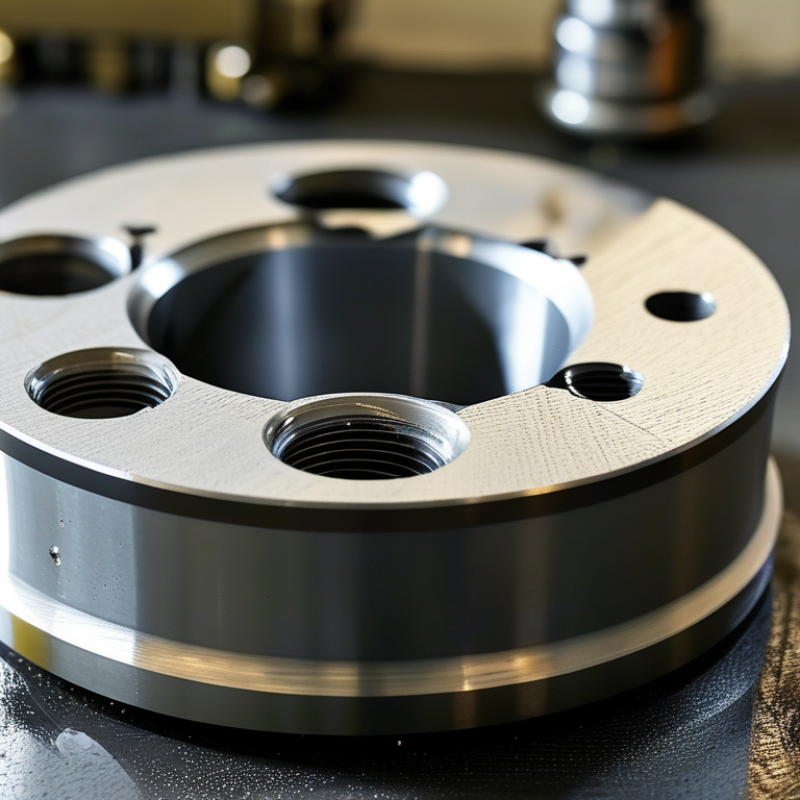
CNC bushings play a crucial role in ensuring precision in machining projects. Understanding their types and functions helps in selecting the right one. There are several types of CNC bushings available, such as flanged, non-flanged, and sleeve bushings. Each type serves a unique purpose in guiding and supporting rotating parts.
According to industry data, nearly 40% of machining failures arise from inappropriate bushing choices. This highlights the importance of understanding each type's features. For instance, flanged bushings provide axial support, making them ideal for applications requiring stable alignment. In contrast, non-flanged options are versatile and can fit into tighter spaces.
Material matters too. Most bushings are made from bronze or plastic. Bronze offers durability, while plastic reduces friction. However, friction can still lead to wear and potential failure over time. It's essential to assess the specific environment and workload before making a decision. A well-informed choice can mean the difference between a successful project and costly rework.
Key Factors to Consider When Selecting CNC Bushings
When selecting CNC bushings, several key factors are crucial to ensure optimal performance. Material choice is paramount. Common materials include brass, steel, and plastic. Each offers unique benefits. For instance, steel bushings provide high load capacity, while plastic ones may reduce noise. The right material can make a significant difference in durability, accuracy, and maintenance needs.
Dimensions and tolerances are next on the list. Precision is critical when dealing with CNC applications. A study by the International Journal of Advanced Manufacturing Technology highlights that a mere 1 mm deviation in bushing diameter can affect assembly and function. It's important to choose bushings that fit perfectly. Additionally, consider the environmental factors. High temperatures or corrosive surroundings can affect the bushing's lifespan.
Another factor worth pondering is lubrication requirements. Some bushings require regular oiling, which adds to maintenance efforts. Others are self-lubricating and suited for high-volume usage. Understanding your project's specific needs is essential. Balancing cost, performance, and maintenance can be tricky but is necessary for successful project completion.
Materials Used in CNC Bushings and Their Benefits
When selecting a CNC bushing, the material is crucial. Each type offers unique advantages that can enhance your project’s performance. Common materials include brass, plastic, and steel.
Brass bushings are known for their durability and corrosion resistance. They work well in high-friction applications.
Plastic bushings are lightweight and resistant to chemicals. They are suitable for environments where metal might corrode.
Steel bushings are the strongest option. They endure heavy loads and resist wear over time. However, they may require lubrication to reduce friction. Choosing the right material depends on the project’s specific requirements.
Consider the operating conditions and the nature of the components involved. A mismatch can lead to premature failure or increased maintenance needs.
Some may find it tempting to select the cheapest option. However, this can be a false economy. Inferior materials can lead to more issues down the line.
Ensure you assess the long-term implications of your choice. Sometimes, investing in quality pays off. Reflect on the environment and demands of your application to make a better decision.
Sizing and Fit: Ensuring Compatibility with Your Project
When selecting a CNC bushing, sizing and fit are crucial. The right fit ensures the bushing performs effectively in your project. Measure the inner and outer diameters carefully. Precision in measurements can save time and prevent costly errors. Not all bushings are created equal; small variations can lead to significant issues.
Tips: Always consult specifications before making a choice. Check tolerance levels. Different materials will affect durability and performance. Consider the operational environment. Heat, moisture, and vibration can alter bushing effectiveness.
Consider trial fittings before finalizing your decision. A perfect size might not work due to material expansion or contraction. Keep these factors in mind to enhance project success. Involve your team in discussions about compatibility. Their insights can reveal potential pitfalls overlooked in initial planning.
Best Practices for Installation and Maintenance of CNC Bushings
When installing CNC bushings, precision is key. Ensure that the alignment is perfect. Misalignment can lead to increased friction and wear. According to industry reports, misaligned bushings can reduce machine efficiency by up to 30%. Using a dial indicator can help check the alignment before securing the bushings.
Maintenance is equally crucial. Regularly inspect the bushings for signs of wear or damage. Contaminants can significantly impact their performance. A study indicated that 70% of bushing failures are linked to poor maintenance practices. Cleaning bushings with appropriate solvents and lubricating them can extend their lifespan. However, excessive lubrication may attract dirt, which can cause further issues.
Documenting the installation and maintenance process is vital. This allows for better troubleshooting in the future. Neglecting records can lead to confusion and may overlook critical information. Understanding the specific requirements of your machinery is essential. Not all CNC bushings are the same, and customization may be necessary for optimal performance.