Top 10 Cnc Probes You Need to Know About?
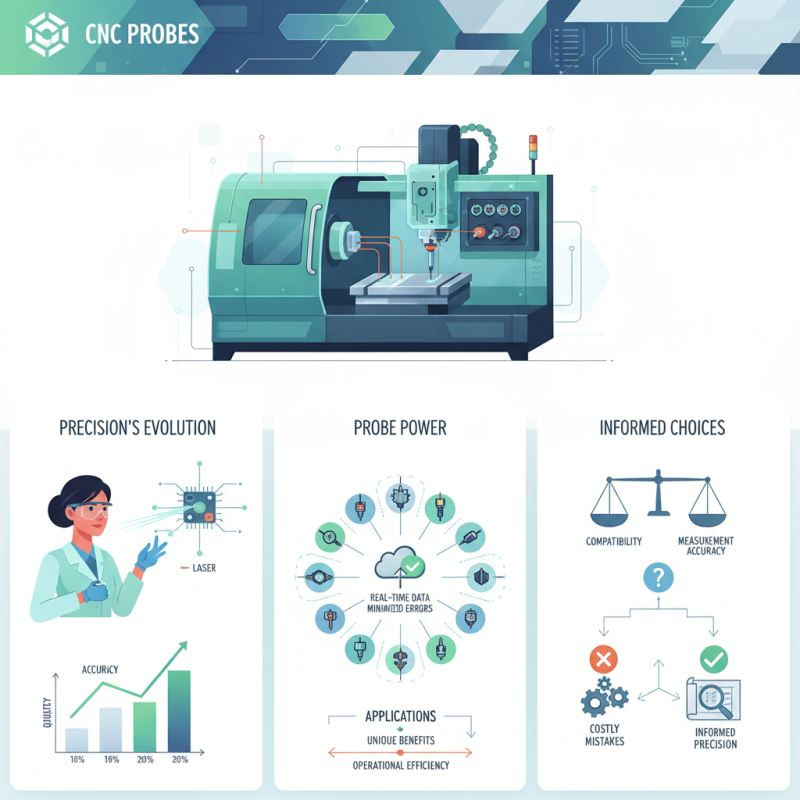
In the world of precision machining, CNC probes play a vital role in ensuring accuracy and quality. Experts like Dr. Emily Carter, a leader in laser technology applications, emphasize this aspect. She states, "CNC probes are revolutionizing how we approach quality control." This statement underscores the significant impact of CNC probes in modern manufacturing processes.
As industries become increasingly competitive, the demand for reliable measurement tools is higher than ever. CNC probes provide real-time data, helping manufacturers minimize errors. Each probe type offers unique benefits, catering to different applications and environments. Understanding these tools informs better purchasing decisions and improves operational efficiency.
However, despite their advantages, choosing the right CNC probe can be challenging. Many factors must be taken into account, such as compatibility and measurement accuracy. Not all probes meet the specific needs of every project, which can lead to costly mistakes. Being aware of these limitations can drive us to make more informed choices in our quest for precision.
Overview of CNC Probes and Their Importance in Machining
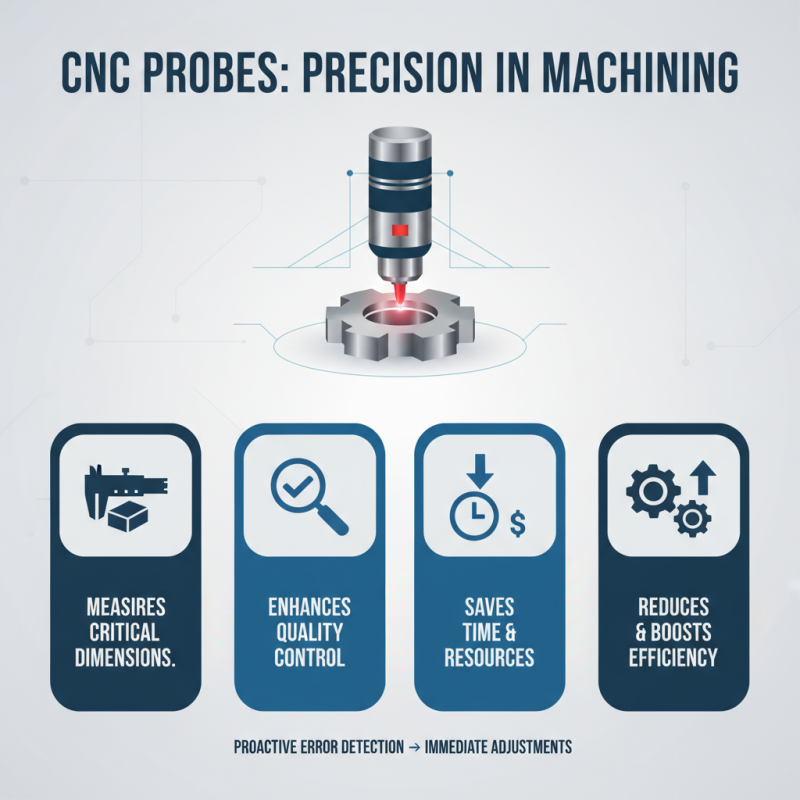
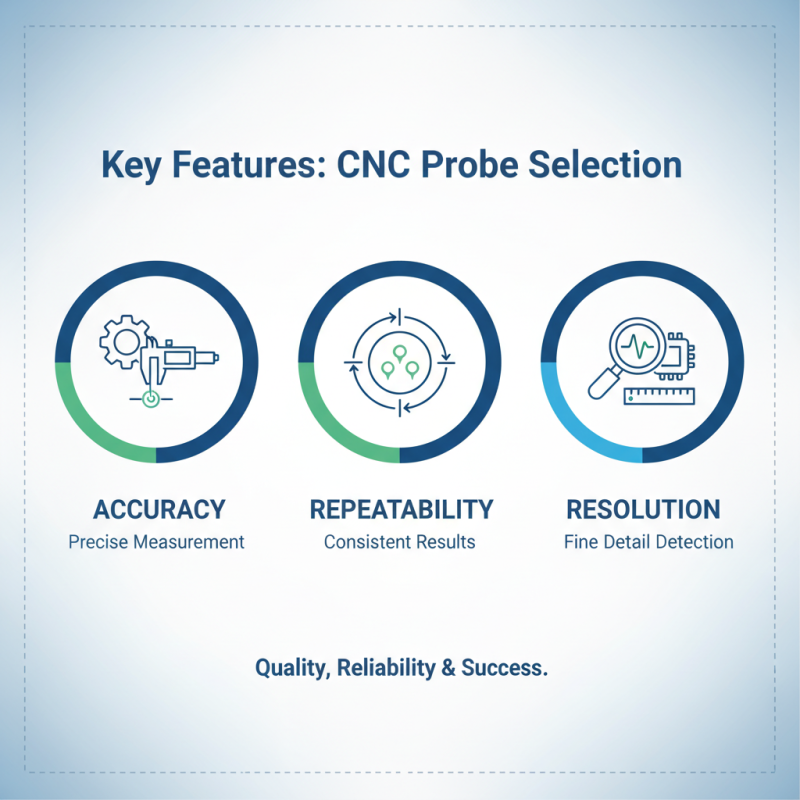
CNC probes play a crucial role in modern machining processes. These devices measure critical dimensions and ensure precision in component manufacturing. They enhance the quality control process by identifying deviations early. This proactive approach saves time and resources. When a probe detects an error, immediate adjustments can be made. This reduces waste and enhances efficiency.
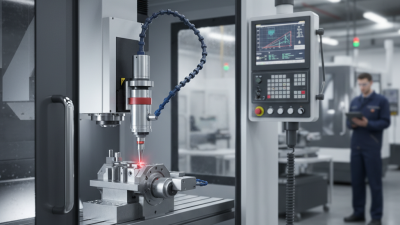
Understanding different types of CNC probes is essential for any machining operation. Contact probes are effective for direct measurement. They are reliable and commonly used. Non-contact probes, such as laser options, offer advantages in speed and safety. However, they can be less accurate in certain applications. The choice of probe depends on the specific tasks at hand.
The importance of CNC probes also extends to repeatability. Ensuring that measurements are consistent across multiple sessions can be challenging. Factors like temperature changes can affect readings. Moreover, operators may not always interpret data correctly. Therefore, ongoing training is necessary. Knowledge of probe maintenance is also vital to ensure optimal performance over time. This attention to detail can significantly affect overall machining success.
Types of CNC Probes and Their Specific Applications
CNC probes are essential tools in modern manufacturing. They play a significant role in ensuring precision and quality in machining processes. Various types of CNC probes serve specific applications, and understanding these types can enhance operational efficiency.
Touch probes are widely used for their simplicity. They detect physical contact with the workpiece and provide feedback on its dimensions. According to industry reports, touch probes can improve measurement accuracy by up to 20%. Another type is the non-contact probe. These devices, using laser or infrared technology, measure surfaces without direct contact. They minimize wear and provide faster readings. Typically, non-contact probes achieve measurement speeds that are 50% faster than traditional methods.
Additionally, laser probes are implemented for complex geometries. Their ability to collect data on intricate shapes reduces the need for manual inspection. Data shows that laser probes can streamline the inspection process by 30% in high-volume production. However, the reliance on advanced technology raises questions about operator training and equipment maintenance. Proper operation is crucial, as errors can lead to costly production delays. Balancing technology with skilled operators remains a challenge in many facilities.
Top 10 Recommended CNC Probes in the Market
When it comes to CNC machining, selecting the right probe is crucial for achieving precision and efficiency. CNC probes can enhance the accuracy of measurements, ensuring your machining processes remain top-notch. Understanding the various types of probes available in the market is essential for making informed decisions.
One highly recommended type is the touch probe. This device allows for accurate measurements of parts, minimizing errors. Another popular option is the laser probe, which uses light beams for non-contact measurements. This not only speeds up the process but also keeps sensitive surfaces intact. In addition, optical probes offer high levels of precision by capturing data through images. These probes are effective but can be complicated to set up and may require more maintenance.
However, no perfect solution exists. Each type has its downsides. For example, while laser probes are fast, they can struggle with reflective surfaces. Touch probes, meanwhile, may slow down production if not calibrated correctly. It's essential to balance performance with practicality, keeping in mind the specific needs of your CNC operations.
Top 10 CNC Probes You Need to Know About
This bar chart illustrates the accuracy of the top 10 CNC probes. Accuracy is measured in microns, reflecting the precision of each probe in CNC machining applications.
Maintenance Tips for Prolonging the Life of CNC Probes
Maintaining CNC probes is crucial for ensuring their longevity and operational accuracy. Regular maintenance can significantly reduce costs and downtime. According to a report by the International Society of Automation, a well-maintained probe can last up to 30% longer than one that is neglected. This highlights the importance of proactive care.
Wear and tear are common issues. It's essential to inspect probes for signs of damage or wear after each use. Even small scratches can affect performance. Cleaning probes after each job prevents debris buildup. Use a soft cloth and gentle cleaning solution. Avoid harsh chemicals that could harm the sensor.
Calibration is another key factor. Regularly check the calibration of your probes to guarantee precision. A study by the Engineering Services Association revealed that inaccurate probes can lead to production errors, costing manufacturers thousands. Adopting a routine calibration schedule can prevent these costly mistakes and extend the life of your equipment.
Keep probes stored properly. Avoid placing them in areas prone to dust or moisture. Implementing these maintenance tips can not only prolong the life of CNC probes but also enhance overall production efficiency.
Top 10 CNC Probes You Need to Know About
| Probe Type |
Accuracy (µm) |
Measuring Range (mm) |
Output Type |
Maintenance Tips |
| Touch Probe |
2 |
50 |
Analog |
Clean regularly; check for wear. |
| Laser Probe |
1 |
100 |
Digital |
Avoid exposure to dust; calibrate monthly. |
| Radio Probe |
3 |
150 |
Wireless |
Keep battery charged; inspect for damages. |
| Vision Probe |
5 |
75 |
Digital |
Calibrate optics; replace bulbs as needed. |
| Capacitance Probe |
2 |
10 |
Analog |
Keep clean; store in a protective case. |
| Inductive Probe |
2 |
50 |
Digital |
Ensure proper electrical connections. |
| Optical Probe |
1 |
30 |
Digital |
Clean the lens after each use. |
| Pneumatic Probe |
3 |
60 |
Analog |
Check air pressure regularly. |
| Ultrasonic Probe |
5 |
40 |
Digital |
Ensure environmental stability; calibrate frequently. |
| Tactile Probe |
2 |
80 |
Analog |
Avoid mechanical shock; maintain optimal temperature. |