China Top CNC Metal Manufacturers for Global Buyers
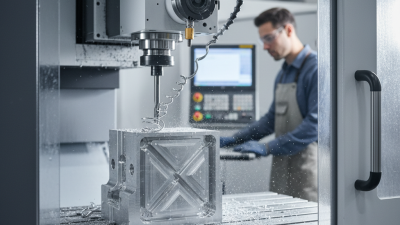
Choosing reliable China Top CNC Metal Manufacturers for Global Buyers requires more than comparing unit prices. It demands practical knowledge of machining, supplier verification, and international purchasing risks. Cnc Metal production covers turning, milling, drilling, grinding, and complex five-axis work. Each process affects tolerance, surface finish, material strength, and final assembly.
Experienced buyers usually examine a manufacturer’s equipment list, inspection process, and production records. A serious factory should explain its machining capacity clearly. Look for coordinate measuring machines, calibrated gauges, material certificates, and traceable inspection reports. Ask how operators control burrs, tool wear, heat distortion, and dimensional variation. Small details matter.
Factory visits can reveal more than polished brochures. Watch how raw aluminum, stainless steel, brass, or titanium moves through the workshop. Check whether parts are protected between machining and shipment. Review sample pieces under real lighting, not only edited photographs. Strong suppliers also discuss packaging, lead times, engineering changes, and quality claims without avoiding difficult questions.
Still, no supplier is perfect. A company may excel at prototypes but struggle with large production runs. Another may offer attractive pricing while relying heavily on subcontractors. That difference can affect confidentiality, consistency, and delivery control. Buyers should compare several quotations using identical drawings, tolerances, quantities, and finishing requirements.
Certifications can support credibility, but certificates alone prove little. Their scope, validity, and issuing body deserve verification. Clear communication matters just as much. When a manufacturer raises a design concern before production, it may prevent costly rework. This guide examines capable Chinese Cnc Metal manufacturers through practical evidence, technical fit, quality discipline, and buyer experience. Some judgments remain subjective, so careful due diligence is still necessary.
Understanding China’s CNC Metal Manufacturing Industry
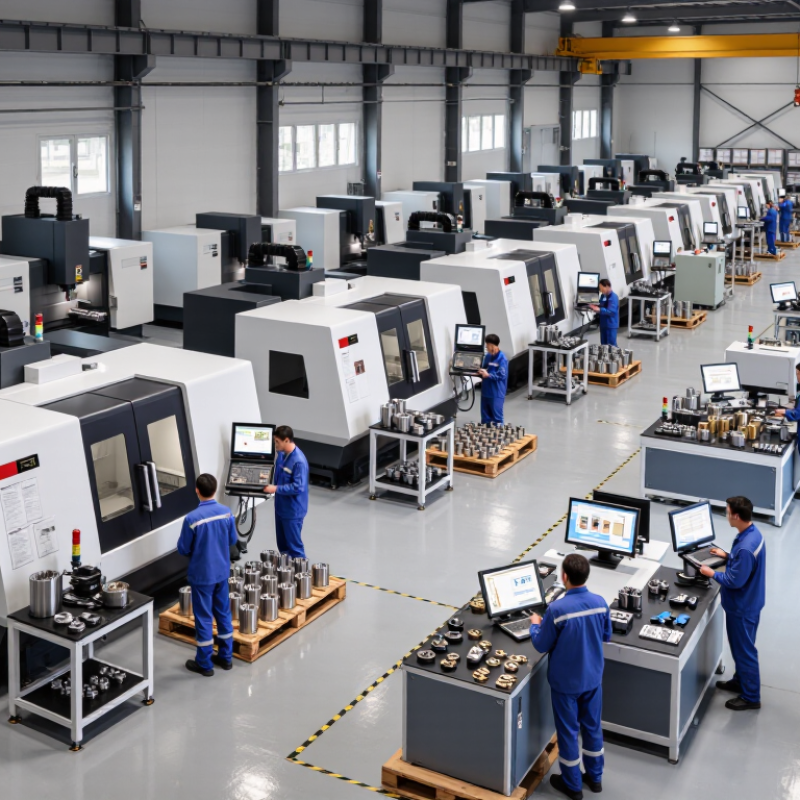
China’s CNC metal manufacturing industry serves buyers across automotive, medical equipment, electronics, and industrial machinery. Its strength comes from dense supplier networks and improving production technology. Many workshops combine multi-axis machining, turning, milling, and surface treatment under one sourcing plan. This can reduce handling time and improve part consistency.
A reliable manufacturer should understand engineering drawings, tolerances, material grades, and inspection requirements.
Buyers often request aluminum housings, stainless steel brackets, steel shafts, and custom enclosures. Each part may require different cutting speeds, tools, and coolant control. Skilled engineers check critical dimensions with coordinate measuring machines and calibrated gauges. Material certificates and inspection records also support traceability.
Factory experience matters, but it should not replace direct verification. A capable supplier can explain its process clearly. It should also identify risks before production begins. Small details matter. For example, thin walls may deform during clamping, while deep cavities can leave tool marks. Sample approval and a controlled first-article inspection can expose these problems early. The industry is not flawless. Communication gaps, delayed feedback, and unclear tolerance notes still create avoidable rework. Buyers should audit production capacity, review quality procedures, and confirm packaging methods before placing larger orders. Supplier claims deserve evidence. Consistent records are more useful than impressive promises.
Key Capabilities of China’s Top CNC Metal Manufacturers
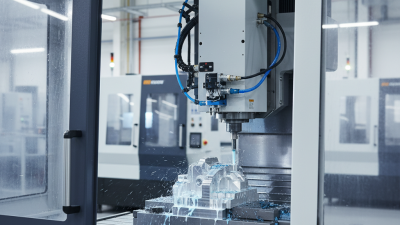
China’s top CNC metal manufacturers combine modern equipment with disciplined production experience. Their workshops often include three-, four-, and five-axis machining centers. This range supports complex parts, angled holes, and tight geometric features.
Material control is a practical strength. Experienced suppliers can machine aluminum, stainless steel, brass, titanium, and engineering steels. They verify incoming materials with certificates and maintain batch records. Skilled programmers also adjust cutting speed, tool paths, and coolant flow for each alloy. Small changes matter.
Quality systems reveal real manufacturing capability. Reliable factories use calibrated CMMs, height gauges, thread gauges, and surface roughness testers. Inspection reports can confirm dimensions, tolerances, hardness, and finish requirements. Traceable records make problems easier to investigate. Clear drawings help even more.
Surface treatment is another important capability. Anodizing, plating, passivation, powder coating, and bead blasting can improve appearance and protection. Production teams should explain which process fits the part’s environment, not simply offer every option. Packaging deserves attention too. Scratched precision parts create avoidable costs.
Communication can separate a capable supplier from an ordinary one. Engineers who identify thin walls, difficult tolerances, or unstable clamping show useful judgment. However, no factory is perfect. Quoted lead times may change when designs are revised or inspection finds a recurring issue. Honest updates are more valuable than confident promises. A trial order remains a sensible test of consistency.
How to Evaluate CNC Metal Suppliers for Global Projects
Global CNC metal sourcing requires more than comparing hourly rates. For China-based suppliers, evaluate process control, material traceability, and communication before signing a production agreement. Deloitte’s 2023 Global Smart Manufacturing Survey found that 86% of manufacturers consider smart manufacturing important for competitiveness. Ask suppliers how digital records support real production decisions.
Request sample inspection reports, calibration certificates, and material certificates. Check whether measurements connect to specific batch numbers and operators. ISO’s 2022 Survey recorded more than 1.2 million ISO 9001 certificates worldwide. Certification helps, but it does not prove machining capability. Review actual evidence. Examine Cpk data, first-article inspection methods, surface-finish readings, and nonconformance records. A clean certificate is not enough.
Visit the factory when project risk justifies the cost. Watch how tools are managed, how parts are protected, and how inspectors handle rejected components. Confirm equipment capacity, tolerance control, secondary finishing, and backup plans for power or machine failure. Ask for realistic lead times, not optimistic promises. Small pilot batches can expose fixture problems early. They can also reveal weak engineering support. This part is often underestimated. A polished audit file may still hide inconsistent operators, rushed inspections, or poor revision control. Require written corrective actions and measurable acceptance criteria before full production. Reliable suppliers explain problems clearly, even when the answer is uncomfortable.
Quality Standards, Certifications, and Production Processes
China Top CNC Metal Manufacturers for Global Buyers
Quality Standards, Certifications, and Production Processes
Reliable CNC metal manufacturing begins with controlled evidence, not attractive promises. In supplier audits, buyers should review material certificates, inspection records, and machine maintenance logs. Each batch needs traceability from raw stock to final shipment. This links production decisions with measurable results.
Many qualified factories operate under ISO 9001 quality systems. Some also hold ISO 14001 or industry-specific certifications. Buyers should verify certificate scope, issuing bodies, and expiration dates. A certificate is not proof of perfect production. That gap deserves attention.
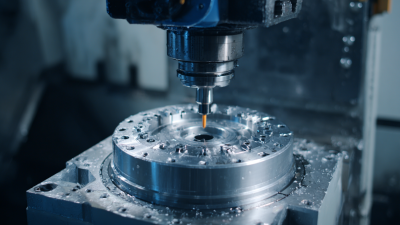
A dependable process usually includes drawing review, material inspection, CNC machining, deburring, cleaning, and final inspection. Coordinate measuring machines check critical dimensions. Calipers and gauges support faster in-process checks. Statistical process control can reveal tool wear before defects spread. Surface roughness testing matters for sealing or sliding parts.
Practical experience still exposes weaknesses. A sample may pass while volume production drifts. Therefore, buyers should request first-article reports and agree on acceptable tolerances. Clear sampling plans reduce arguments later. Communication must include photos, measurement data, and corrective-action records. Small details matter. A missing chamfer can delay assembly. A late revision can create waste. Reliable manufacturers admit these risks and improve their controls.