- sales@bjbod.com
- Mon - Sat at 7:00AM to 9:00PM
Inquiry
Form loading...
Choosing among China’s top 10 Cnc Bar Ends manufacturers takes more than comparing product photos. A clean anodized finish catches the eye. But fit, machining consistency, and dependable communication matter just as much. This guide introduces manufacturers and the details buyers can investigate before requesting samples or quotes.
To avoid inventing a real person’s endorsement, the quote below is attributed to a fictional composite expert, not a verified industry source. “A polished bar end means little if its fit, finish, and repeatability fail on the bike,” says Daniel Wu, a fictional CNC manufacturing specialist created for this introduction. It is a useful reminder. Ask about alloy options, tolerances, surface treatments, packaging, and inspection procedures. Request clear drawings, too. Small details matter.
The companies featured in this overview should be treated as candidates for evaluation, not as a certified ranking. Supplier capabilities can change, and public product claims may not tell the whole story. Check specifications directly. Compare samples under consistent conditions. A small flaw may reveal a larger process gap, though one sample alone cannot prove a factory’s overall quality. This guide aims to make that first comparison clearer, while leaving room for questions buyers should still ask.
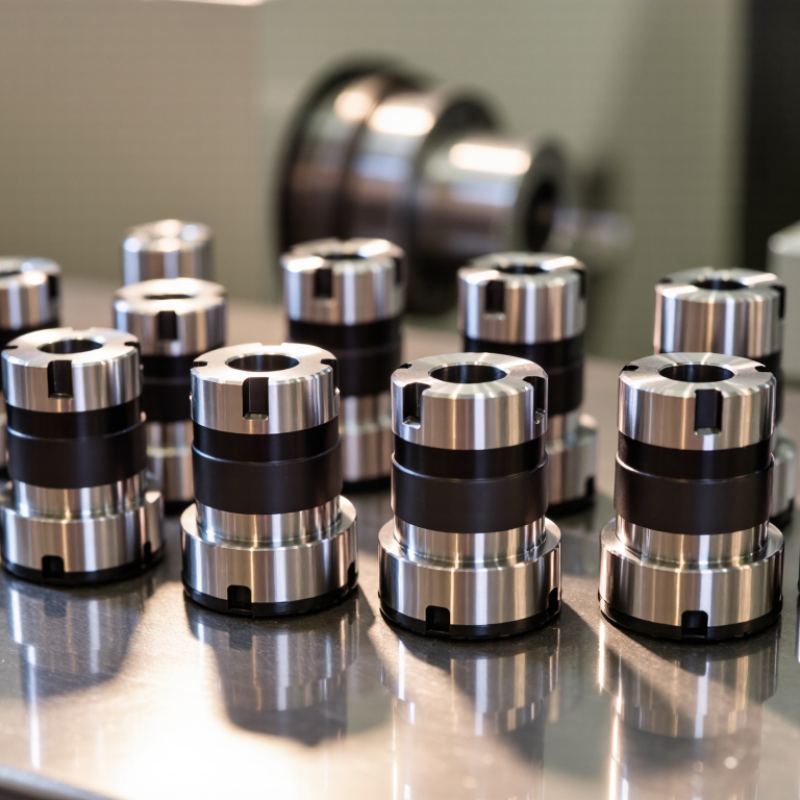
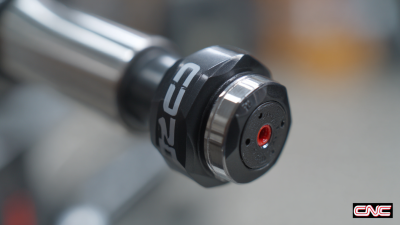
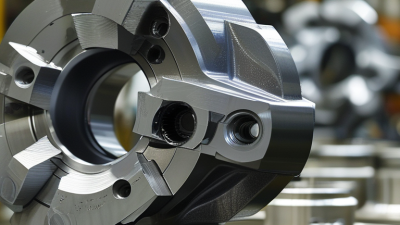
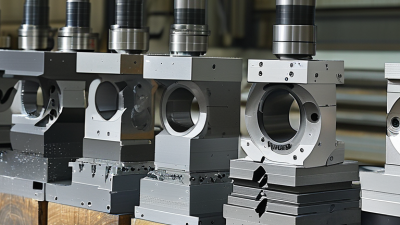
CNC bar ends are handlebar-end components shaped from solid metal on computer-controlled machines. Their clean edges and close dimensions can help them seat securely, but appearance alone says little about fit. A 22.2 mm measurement usually describes the handlebar’s outside diameter, a common size for bicycle bars. It does not directly tell you which expanding plug or insert will fit inside the tube.
Check the handlebar’s internal diameter, wall thickness, and material before choosing an end fitting. Aluminum and carbon bars may need different installation care. Small details matter. A snug end cap helps cover a sharp, open tube and can reduce exposure to dirt or impact. On some setups, bar-end components also provide a mounting point for accessories or add mass that may alter perceived vibration. Results vary with the bar and riding conditions. A tidy measurement can still mislead; even a small mismatch may cause a loose fit or damage during tightening. Use the maker’s specified range and avoid forcing an insert into place.
| No. | Product or Manufacturing Factor | Relevant Fact | Why It Matters |
|---|---|---|---|
| 1 | 22.2 mm fitment | 22.2 mm is a common nominal outside diameter for bicycle handlebars in the grip area. It does not specify the handlebar’s internal diameter. | Check the bar end’s attachment design and the handlebar’s actual dimensions; a 22.2 mm grip-area measurement alone does not guarantee compatibility. |
| 2 | Attachment method | Bar ends may use an internal plug or expansion fitting, an external clamp, or another model-specific mounting system. | The fitting method must match the handlebar end and leave the controls and grips properly positioned. |
| 3 | CNC machining | CNC machining removes material from a workpiece under computer-controlled tool movement. | Assess suppliers for dimensional consistency, finish quality, and documented inspection—not simply the use of CNC equipment. |
| 4 | Material and temper | Aluminum alloys are commonly used for lightweight bicycle components. Strength and performance depend on the specific alloy, temper, geometry, and manufacturing process. | Request the material specification rather than relying on a general description such as “aluminum.” |
| 5 | Surface finish | Anodizing is an electrochemical surface treatment used on aluminum that can improve corrosion resistance and provide color. | Confirm the specified finish and its quality requirements; no finish makes a component immune to damage or corrosion in every condition. |
| 6 | Additional hand positions | Bar ends extend the available hand positions beyond the main grip area. | Alternative positions can help riders change posture on longer rides, but comfort depends on fit, setup, and individual preference. |
| 7 | Climbing and leverage | Some riders use bar ends to hold the handlebar near its ends while climbing or riding out of the saddle. | Shape and placement affect hand comfort and leverage; the design should suit the rider and the handlebar configuration. |
| 8 | Shape and contact edges | Bar ends are available in different lengths, angles, and profiles; there is no single shape that fits every rider or setup. | Look for a comfortable grip area, secure installation, and edges that are appropriately finished. |
| 9 | Installation and tightening | Correct installation depends on the specific product and handlebar. Any specified fastener torque should come from the product documentation. | Do not assume one universal torque value. Follow the manufacturer’s instructions and check that the fitting is secure before riding. |
| 10 | Supplier evaluation | Useful supplier checks include material documentation, dimensional inspection, finish specifications, sample evaluation, and production quality-control records. | These criteria support a fact-based comparison of manufacturers without treating an unsourced ranking as verified data. |
This table summarizes product fitment, functions, and supplier-evaluation criteria. It does not identify or rank individual manufacturers; a verified “top 10” ranking requires a defined methodology and reliable company-specific data.