Top 10 Tips for Choosing the Best CNC Bearings?
When it comes to choosing CNC bearings, the right choice is crucial for machine performance. Renowned industry expert, Dr. Emily Carter, emphasizes this by stating, "Selecting the right CNC bearings can make or break your project." Her insight reflects the significance of quality bearings in CNC machinery.
CNC bearings are essential components that ensure smooth operation. They reduce friction and support high-speed movements. However, not all CNC bearings are created equal. Various factors like load capacity, material, and lubrication affect their performance.
Understanding these elements can be overwhelming. Yet, the impact of this decision is significant. Choosing the wrong CNC bearings may lead to increased downtime or costly repairs. Therefore, it's vital to approach this selection process thoughtfully. Balancing specifications with your operational needs is key to success.
Importance of Selecting the Right CNC Bearings for Efficiency
Selecting the right CNC bearings is crucial for operational efficiency. The quality of these components directly impacts machine performance. Improper bearing choice can lead to increased friction and wear. Consequently, this might cause costly downtime and maintenance issues.
In CNC machining, precision is paramount. Bearings should exhibit low runout and tight tolerances. Engineers often overlook these factors during selection. Failing to assess the load requirements can result in catastrophic failures. Choosing materials suited to specific environments can also prevent premature degradation.
Understanding lubrication needs is vital. Different bearings require various types of lubricants. Insufficient lubrication leads to overheating and wear. Some users might neglect regular maintenance routines. This oversight can significantly reduce bearing life. Every machine and application has its unique demands. Therefore, detailed research and planning are necessary for optimal performance.
Key Factors Influencing the Lifespan of CNC Bearings in Precision Machines
When selecting CNC bearings, understanding the factors influencing their lifespan is crucial. Studies show that proper lubrication can extend bearing life by up to 50%. High-quality grease or oil reduces friction and wear. This is essential for optimal performance in precision machines. Insufficient lubrication can lead to premature failure and costly downtime.
Environmental conditions also play a significant role. Dust, humidity, and temperature fluctuations can degrade bearing materials. A report from the International Journal of Machine Tools suggests that exceeding an operating temperature of 70°C can halve bearing life. Regular maintenance checks should address these factors, ensuring a clean and controlled environment.
When choosing CNC bearings, consider material quality. Research indicates that hybrid ceramic bearings last longer than their steel counterparts. They resist wear and have lower friction rates. Always evaluate the specific application and load conditions of your machinery. Understanding these aspects can help you make informed decisions, directly impacting the effectiveness and longevity of the bearings used.
Top 10 Tips for Choosing the Best CNC Bearings
| Factor |
Description |
Impact on Lifespan |
| Material Quality |
High-quality materials reduce wear and tear. |
High |
| Load Rating |
Select bearings that match or exceed the load specifications. |
High |
| Lubrication |
Proper lubrication minimizes friction and heat generation. |
Medium |
| Sealing |
Effective seals protect against contaminants. |
Medium |
| Operating Temperature |
Choose bearings rated for the machine's temperature range. |
High |
| Precision Grade |
Higher precision improves performance but may be costlier. |
Medium |
| Installation Technique |
Improper installation can shorten bearing life. |
High |
| Maintenance Schedule |
Regular maintenance checks help identify issues early. |
High |
| Environmental Conditions |
Conditions such as humidity and dust can affect bearing performance. |
Medium |
| Compatibility with Other Components |
Ensure that bearings are compatible with the rest of the machine. |
Medium |
Understanding Load Ratings and Their Impact on CNC Bearing Performance
Load ratings are crucial for CNC bearings. They indicate the maximum load a bearing can sustain without failing. Understanding these ratings can significantly enhance CNC machine performance. According to industry data, a mismatch between bearing load capacity and application requirements can lead to premature failure, reducing productivity.
CNC bearings are subject to varying loads during operation. Excessive loads can cause wear. For example, a study by the National Precision Bearing Institute found that overloading bearings can reduce their lifespan by up to 50%. This highlights the need for precise calculations based on application specifics.
It’s not enough to just focus on load ratings. Users must also consider speed, temperature, and lubrication. These factors interact with load ratings to determine overall performance. Inconsistent attention to these elements may lead to inefficiencies. Adapting to these dynamics is essential for optimizing CNC operations.
Material Selection: How Steel, Ceramic, and Polymer Bearings Differ
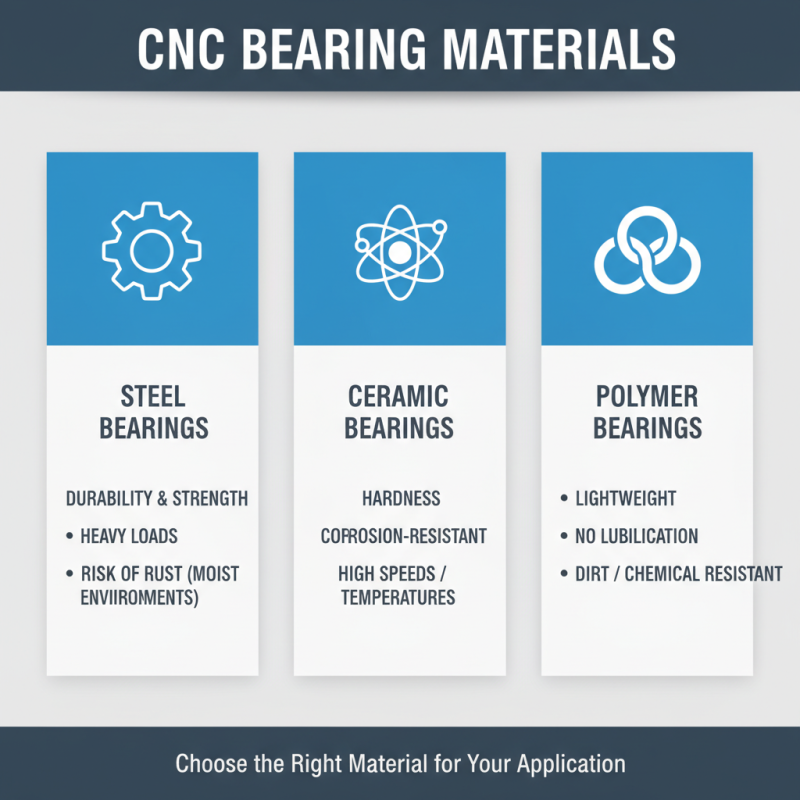
When selecting CNC bearings, the material plays a crucial role. Steel, ceramic, and polymer bearings offer different qualities. Steel bearings are known for their durability and strength. They often work well in heavy-load applications. However, they can rust in moist environments. Maintenance is essential for steel bearings.
Ceramic bearings, on the other hand, excel in high-speed applications. They are lightweight and resistant to corrosion. Their ability to withstand high temperatures makes them ideal for extreme conditions. However, their cost can be a drawback for some.
Polymer bearings are versatile and often self-lubricating. They are resistant to chemicals and can operate in various environments. However, their load capacity is generally lower compared to steel.
Tips for choosing the right bearing include assessing the operating environment and load requirements. Consider the speeds at which the bearings will operate. Checking for certifications can also provide insights into quality. Always think about long-term performance and maintenance needs. These factors are key in making an informed choice.
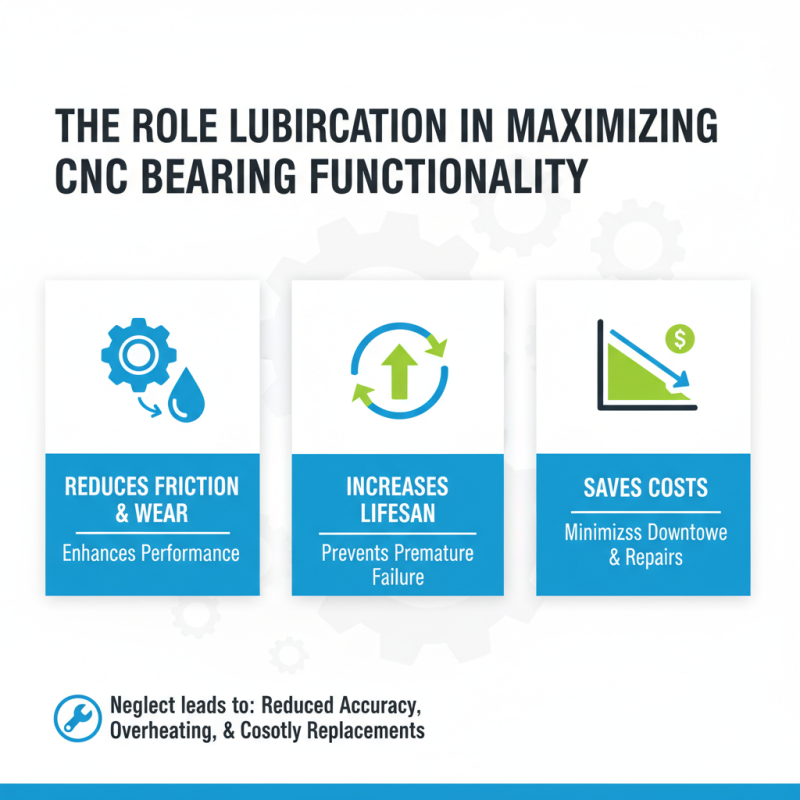
The Role of Lubrication in Maximizing CNC Bearing Functionality
Lubrication plays a vital role in the functionality of CNC bearings. Proper lubrication reduces friction and wear, enhancing performance and lifespan. Many users overlook lubrication quality and frequency. This can lead to premature failure of the bearings, causing downtime and increased costs.
Selecting the right lubricant is crucial. Different materials in bearings require specific lubricants to operate efficiently. For example, greases or oils with suitable viscosities can significantly impact the smooth operation of the CNC machine. Regular monitoring of lubrication levels is necessary. A lack of lubrication may create heat, leading to significant damage.
Additionally, it’s essential to consider the working environment. Dust and contaminants can compromise lubricants, affecting their effectiveness. Regular maintenance checks should incorporate lubrication assessment. Taking these simple steps can lead to improved machine reliability and performance. A small oversight in lubrication can snowball into significant challenges down the line.