How to Improve CNC Turning Efficiency and Quality?
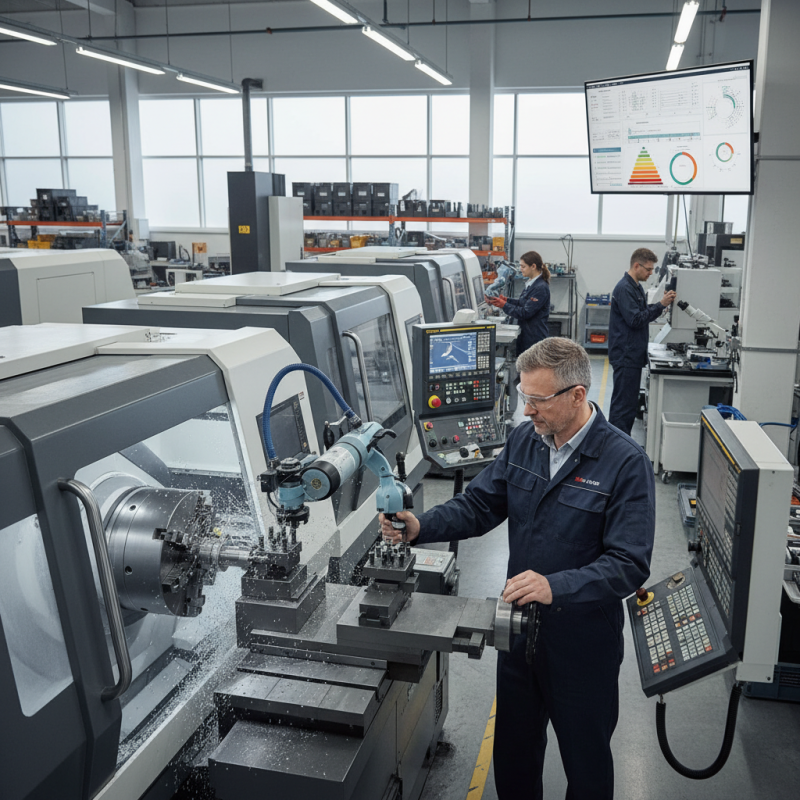
CNC Turning plays a crucial role in modern manufacturing. Expert John Smith, a veteran in the CNC Turning industry, emphasizes, "Improving efficiency and quality is a continuous journey." Many companies aim to enhance their CNC Turning processes, yet challenges persist.
Common issues include tooling wear and machine calibration. Misalignment can lead to waste and increased costs. It's not uncommon for manufacturers to overlook maintenance, leading to further inefficiencies. Investing in the right tools and technology can significantly impact outcomes.
CNC Turning requires attention to detail. Skilled operators are essential for optimal performance. However, even the best can make mistakes. Reviewing production metrics and seeking feedback are vital steps. Reflecting on processes can spark improvements. Embracing change is necessary for success in CNC Turning.
Understanding CNC Turning: Key Concepts and Technologies
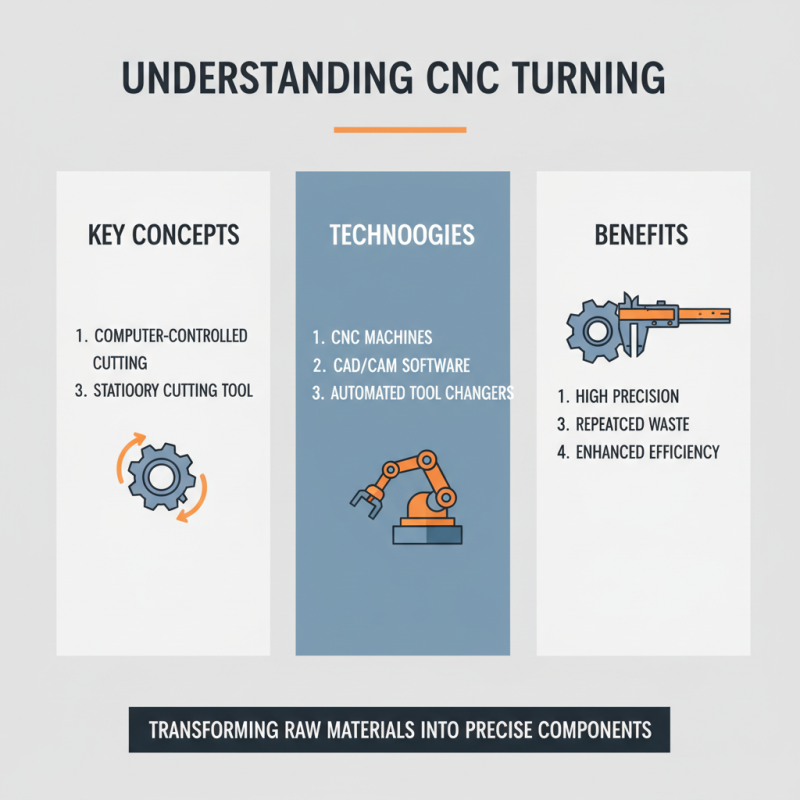
CNC turning is pivotal in modern manufacturing. It transforms raw materials into precise components. Understanding key concepts is crucial for enhancing efficiency and quality. CNC machines use computer programs to control the cutting tools. This process results in high precision and repeatability, reducing waste in production.
According to a recent report by Manufacturing Technologies Association, CNC turning can improve production rates by over 40%. However, not all operations are optimized. Many manufacturers overlook programming errors or tool wear. These issues can lead to inconsistent quality. Operators must be vigilant in monitoring their machines.
**Tip:** Regularly inspect tools and replace worn ones. This simple action can significantly enhance product quality. Fine-tuning the feed rates and spindle speeds can also lead to better surface finishes.
Another aspect is operator training. Lack of knowledge can hinder performance. Investing in skilled operators pays dividends in efficiency and quality. Continuous learning fosters a culture of improvement.
**Tip:** Encourage team members to share insights and best practices. Collaboration can uncover hidden inefficiencies. Always be open to feedback and adjustments. The journey towards perfecting CNC turning is ongoing.
Factors Affecting CNC Turning Efficiency and Product Quality
CNC turning efficiency and quality are influenced by several key factors.
Machine setup plays a crucial role.
A well-calibrated machine can increase productivity by 30%.
However, many operators overlook routine maintenance.
This neglect can lead to downtime and
poor product quality.
Tool selection is another significant factor.
Using the right tools can extend their life by up to 50%.
Yet, some shops default to cheaper options, compromising precision.
Additionally, cutting speed affects both efficiency and surface finish.
Higher speeds can improve throughput but may introduce defects if not monitored properly.
Operator skill is essential for optimal outcomes.
Skilled operators reduce error rates and improve cycle times.
Unfortunately, the workforce is often not fully trained.
A report indicates that 40% of operators lack adequate training for advanced techniques.
This gap can hinder productivity and quality significantly.
Regular training programs should be a priority to bridge this skill gap.
Best Practices for Tool Selection and Maintenance in CNC Turning
When it comes to CNC turning, tool selection and maintenance are crucial for enhancing efficiency and quality. Choosing the right tool can significantly impact the machining process. Carbide tools are popular due to their durability. However, high-speed steel tools may be more appropriate for smaller projects. Each tool has its advantages and you must evaluate them based on the material being machined. Sometimes, the choice may seem obvious, but experimenting can lead to surprising results.
Maintenance is another vital aspect. Regular checks can prevent unexpected downtimes. A worn-out tool will not only affect quality but may also slow down the process. Inspect tools for wear and replace them promptly. Establish a routine for cleaning tools after usage. Neglecting this can lead to a buildup of debris, which ultimately degrades performance.
Reflection is necessary. Are we overly reliant on only a few types of tools? How often do we assess our tool inventory? Not all tools are suitable for every job. Make it a point to continuously evaluate and adapt. Keeping a variety of tools handy can boost efficiency in the long run, but only if they are properly maintained and utilized.
How to Improve CNC Turning Efficiency and Quality?
| Parameter |
Description |
Best Practice |
Impact on Performance |
| Tool Material |
The substance from which the cutting tool is made |
Use high-speed steel or carbide tools for longevity. |
Increased tool life and reduced downtime. |
| Cutting Speed |
The speed at which the cutting tool engages the material |
Optimize settings based on material type. |
Enhanced efficiency and better finish quality. |
| Tool Geometry |
The design of the tool, including angles and edges |
Select tools with optimal geometries for specific tasks. |
Improved chip removal and surface finish. |
| Coolant Usage |
Liquid used to reduce heat and friction |
Employ appropriate coolant during operation. |
Lower temperatures and extended tool life. |
| Maintenance Schedule |
Routine checks and servicing of CNC equipment |
Implement a proactive maintenance routine. |
Minimized breakdowns and maximized productivity. |
Utilizing Automation and Advanced Software for Enhanced CNC Productivity
To improve CNC turning efficiency, automation plays a crucial role. Automating repetitive tasks reduces the chance of human error and increases precision. According to a 2021 industry report, integrating automation can enhance productivity by up to 30%. This shift allows skilled operators to focus on more complex tasks rather than mundane operations.
Advanced software solutions also contribute significantly to CNC productivity. Implementing CAD/CAM software reduces setup times and streamlines workflows. A study conducted by TechSci Research found that companies utilizing such software experience a 25% decrease in production lead time. However, transitioning to these technologies isn't without challenges. Employees may need training, and initial costs can be high.
Moreover, not every shop can achieve seamless integration of automated systems or software. Some CNC operators may resist new techniques. They might struggle to adapt to technological advances. Continuous evaluation and adjustment are essential for leveraging automation and advanced software effectively. Ultimately, the goal is to create a balanced approach that enhances quality while addressing the human aspect of CNC turning processes.
Efficiency and Quality Metrics in CNC Turning
Measuring and Analyzing CNC Turning Performance with Industry Metrics
Measuring and analyzing CNC turning performance is crucial for improving efficiency and quality. Industry metrics provide valuable insights into how machines and processes are performing. Common metrics include cycle time, tool wear, and surface finish quality. Tracking these can reveal patterns in production.
When analyzing cycle time, consider unexpected delays. Some setups take longer than planned. This indicates a need for better preparation or training. Tool wear is another measure that shouldn't be overlooked. Regular assessments help identify premature failures. It's essential to reflect on how tool maintenance could be more efficient.
Quality is vital too. Surface finish should meet specifications consistently. Variability here can point to deeper issues, like vibration or setup errors. Gathering feedback from operators enhances understanding. It is easy to overlook small errors, but they accumulate over time.
Addressing these with a proactive approach leads to greater overall performance in CNC turning.