5 Essential Tips for Mastering CNC Metal Machining Processes in 2023
As we look towards 2025, the landscape of CNC metal machining processes continues to evolve, driven by advancements in technology and the growing demands of various industries. According to a report by MarketsandMarkets, the global CNC machining market is expected to reach $100 billion by 2026, reflecting a compound annual growth rate (CAGR) of 6.4% during the forecast period. This growth is largely fueled by the increasing adoption of CNC metal machining in sectors such as aerospace, automotive, and medical devices, where precision and efficiency are paramount.
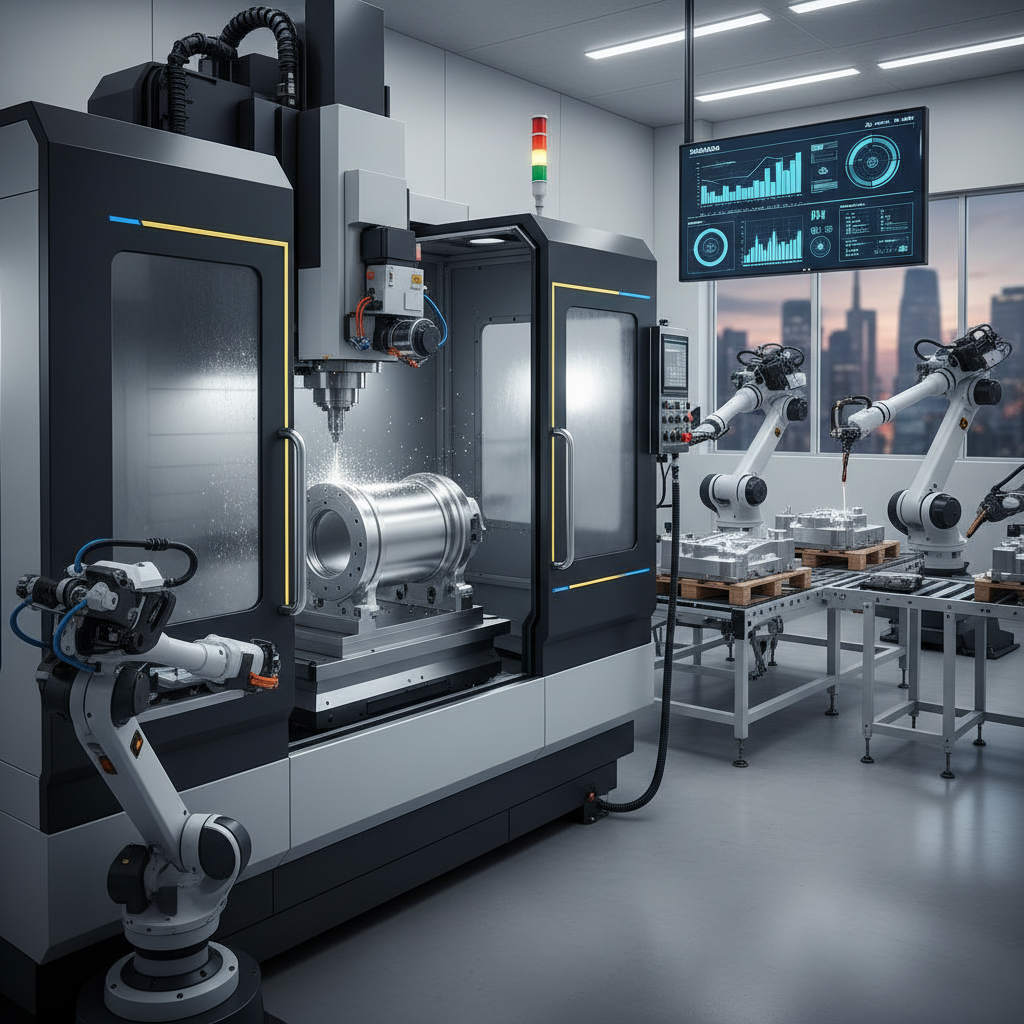
In this dynamic environment, mastering CNC metal techniques becomes essential for manufacturers aiming to remain competitive. Current trends suggest that integrating automation and smart technology not only enhances productivity but also improves quality control. A study from Deloitte highlights that companies that embrace Industry 4.0 technologies can reduce production costs by up to 30%, indicating a significant advantage for those who adapt early. As we delve into the top five essential tips for mastering CNC metal machining processes in 2023, it is crucial to consider these industry insights and leverage them to optimize operational capabilities and meet the rising standards of quality and efficiency in metal fabrication.
Understanding CNC Machining Basics for Optimal Performance
In the world of CNC metal machining, having a solid understanding of the fundamentals is crucial for achieving optimal performance in 2023. Machining Basics encompass the various aspects of CNC technology including programming, tooling, and machine setup, which are vital for ensuring precision and efficiency. According to recent reports, using advanced CNC systems can enhance productivity by up to 20%, largely due to improved speed and accuracy in the machining processes.
Post processors play a significant role in this ecosystem by translating CAD/CAM outputs into machine-specific instructions. These tools are essential for bridging the gap between design and production, enabling manufacturers to optimize their workflows. Proper utilization of post processors can result in reductions in cycle times and material waste, which can lower operational costs. Industry data shows that manufacturers who integrate effective post-processing strategies can achieve a 15% increase in overall efficiency, which emphasizes the importance of understanding and mastering these basic concepts.
5 Essential Tips for Mastering CNC Metal Machining Processes
This bar chart illustrates the importance of different CNC metal machining tips for optimal performance in 2023. Each tip is rated on a scale of 1 to 10 based on their effectiveness as perceived by industry professionals.
Choosing the Right Materials for Enhanced Machining Results
Choosing the right materials is crucial for achieving optimal results in CNC metal machining processes. According to a report by the National Center for Advanced Manufacturing, approximately 60% of machining problems can be traced back to improper material selection. The choice of metal can dramatically influence the machining parameters, such as cutting speed, tool wear, and overall surface finish. For instance, aluminum alloys are generally favored for their excellent machinability and lightweight properties, while stainless steels, though more challenging to machine, provide superior strength and corrosion resistance, making them indispensable in industries like aerospace and medical devices.
In 2023, emerging trends indicate that the focus on sustainability is changing material selection criteria. A study by the American Society of Mechanical Engineers highlighted that around 70% of manufacturing professionals are prioritizing materials with lower environmental impacts. Advanced composites and recycled metals are gaining popularity, offering not only enhanced machinability but also reducing waste and energy consumption during production. This shift not only enhances machining outcomes but aligns with the growing industry demand for sustainable practices, marking a significant evolution in CNC metal machining processes.
Maintaining Your CNC Equipment for Long-Term Efficiency
Maintaining your CNC equipment is crucial for ensuring long-term efficiency and maximizing productivity in metal machining processes. According to a report by the National Institute of Standards and Technology, poorly maintained CNC machines can lead to up to a 30% reduction in operational efficiency, resulting in increased costs and longer lead times. Regular maintenance not only prolongs the lifespan of the equipment but also enhances precision, ensuring that your machining processes remain competitive in an ever-evolving market.
To keep your CNC machines in top condition, implement a strict preventive maintenance schedule. Regularly inspect key components such as spindles, coolant systems, and linear guides. Additionally, using quality lubricants can reduce wear and tear by up to 25%, according to a study by the American Society of Mechanical Engineers. It's also essential to analyze the machine's performance data frequently; this can help identify potential issues before they escalate, ensuring your operations run smoothly.
Lastly, invest in training for your operators to recognize early signs of wear and tear. Empowered operators can make on-the-spot adjustments that can save time and money in the long run. By incorporating these maintenance tips, you can ensure that your CNC equipment operates at optimal efficiency throughout 2023 and beyond.
5 Essential Tips for Mastering CNC Metal Machining Processes in 2023 - Maintaining Your CNC Equipment for Long-Term Efficiency
| Tip |
Description |
Frequency |
Tools Needed |
| Regular Cleaning |
Keep the machine clean to prevent contamination and wear. |
Daily |
Compressed air, microfiber cloth |
| Lubrication |
Ensure moving parts are adequately lubricated to reduce friction. |
Weekly |
Machine-specific lubricant |
| Tool Inspection |
Check tools for wear and replace if necessary to maintain precision. |
Bi-weekly |
Wrench set, calipers |
| Calibration |
Regularly calibrate the CNC machine to ensure accuracy in machining. |
Monthly |
Calibration tools, software |
| Monitor Performance |
Keep an eye on machine outputs for signs of inefficiency or problems. |
Ongoing |
Monitoring software, logs |
Implementing Advanced Software for Precision and Automation
In 2023, the integration of advanced software into CNC metal machining processes is transforming the landscape of precision manufacturing. Utilizing sophisticated software solutions enables manufacturers to streamline their operations, reduce error rates, and enhance overall productivity. The latest CNC programming tools incorporate features such as predictive analytics and machine learning algorithms, allowing for real-time monitoring and adjustments. This results in optimal machining conditions and ensures consistency across production runs.
Moreover, automation is becoming increasingly important in CNC machining. Advanced software often comes with automation capabilities that allow for the seamless operation of machines with minimal human intervention. By automating repetitive tasks and implementing smart scheduling, businesses can significantly reduce lead times and operational costs. As a result, manufacturers are not only able to meet the growing demand for efficiency and precision but also future-proof their operations against the complexities of modern market demands. Investing in these technologies will empower CNC machinists to achieve higher quality standards and unmatched precision in their metalworking processes.
Exploring Innovative Techniques to Improve Machining Accuracy
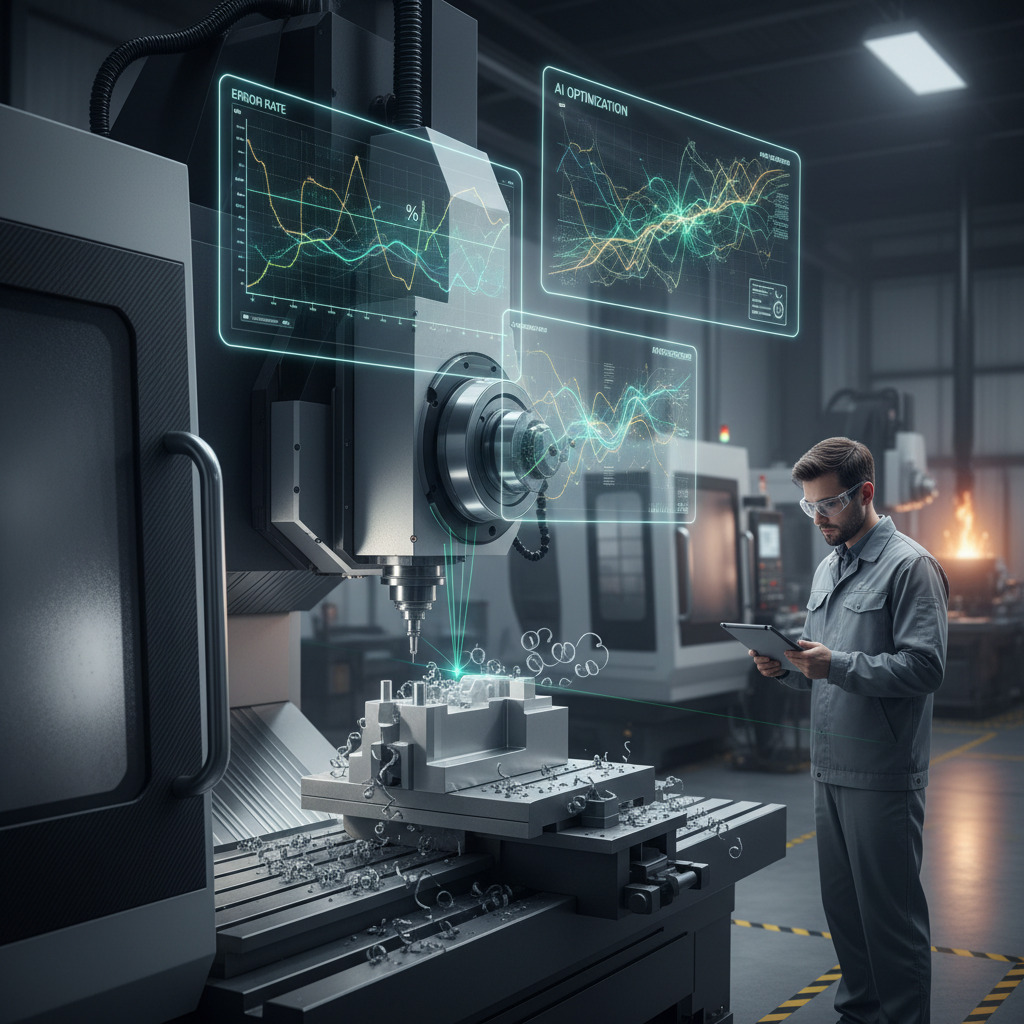
In 2023, enhancing machining accuracy through innovative techniques is crucial for mastering CNC metal machining processes. Recent industry reports indicate that the integration of artificial intelligence (AI) and machine learning can significantly improve precision in metalworking. For instance, businesses that have adopted AI technologies in their machining processes have reported a reduction in error rates by up to 30%, as AI algorithms analyze complex datasets to refine cutting parameters dynamically.
Furthermore, advancements in AI-driven robotics are revolutionizing how CNC machines operate, contributing to higher efficiency and lower cycle times. A notable trend is the application of machine learning to predict wear and tear on cutting tools, allowing for better maintenance scheduling and an extension of tool life by an estimated 20-30%. As CNC machining continues to evolve, leveraging these technologies will be key for manufacturers aiming to enhance their competitive edge and produce high-quality components with minimal waste.