What is Cnc Spindle and How Does It Work for Buyers?
In the world of machining, understanding the Cnc Spindle is crucial for buyers. John Smith, a leading expert in machining technology, once said, "The right spindle can transform your manufacturing process." This highlights the Cnc Spindle's vital role in modern production.
Cnc Spindles are not just components; they are the heart of CNC machines. They enable precision and efficiency, which directly impacts output quality. However, selecting the right spindle involves several factors, including speed, power, and compatibility. Many buyers overlook these aspects, leading to costly mistakes.
Moreover, the market offers various spindles, each with unique specifications. It's essential to evaluate your specific needs thoroughly. A poor choice can hinder your machining capabilities and productivity. Engaging with industry experts and understanding your precise requirements is key. This approach helps you navigate the complexities of selecting the right Cnc Spindle for your operations.
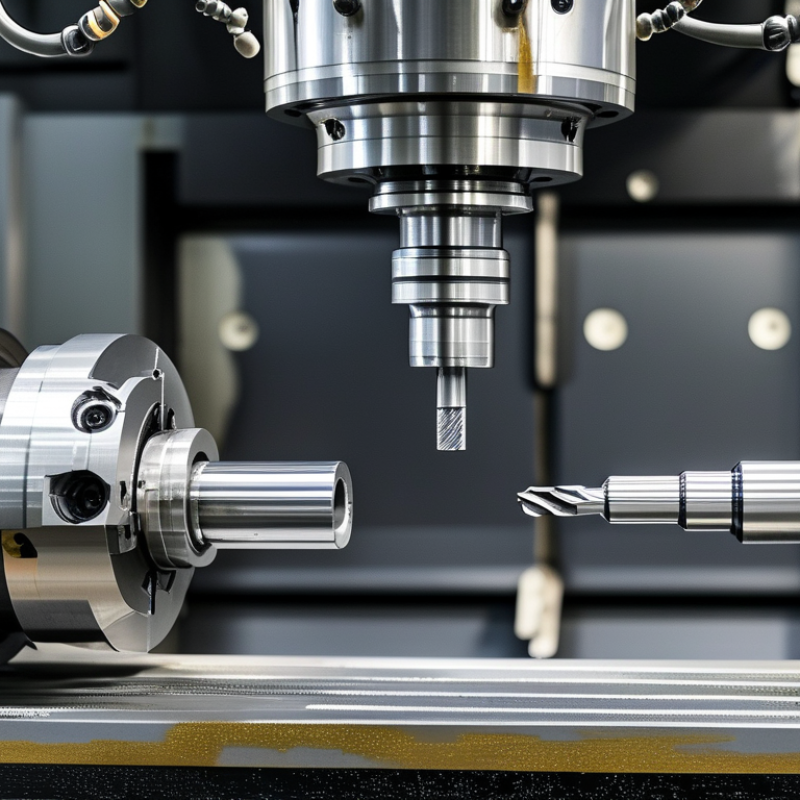
What is a CNC Spindle and Its Importance in Machining Processes
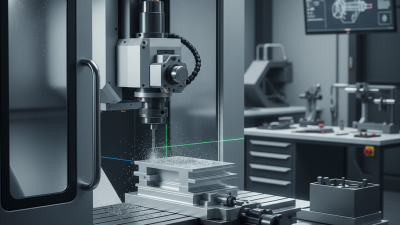
A CNC spindle is essential in machining processes. It serves as the main rotating tool holder in a CNC machine. Spindles come in various types, but they all share a common goal: precision control over cutting tools. The spindle's speed, torque, and rigidity greatly influence the quality of machined parts. High-quality spindles can lead to improved surface finishes and faster machining times.
In machining, accuracy is crucial. A reliable spindle ensures consistent tool positioning and maintains performance. However, not all spindles are created equal. Buyers often overlook the significance of heat dissipation and vibration control. These factors can affect spindle longevity and performance. A well-designed spindle aids in maintaining stable operation during lengthy machining tasks.
While many buyers focus on price, it's important to evaluate specifications and applications. Understanding the spindle's limitations and capabilities helps in selecting the right one. Investing time in research improves outcomes in future projects. Therefore, gauging the spindle's importance can significantly alter one’s machining experience.
The Components of a CNC Spindle and Their Functions
A CNC spindle is essential for precision machining. It comprises several key components, each with a specific role.
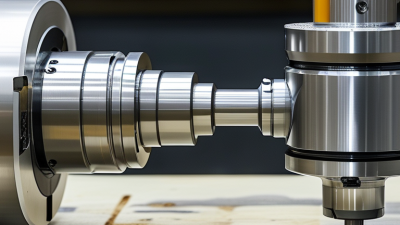
The spindle itself is the main rotating part, allowing tools to cut or shape materials efficiently. Its design impacts speed and torque, crucial factors for different applications.
Bearings support the spindle, enabling smooth rotation. High-quality bearings reduce friction, extending the spindle's life.
However, poor alignment or inadequate lubrication can lead to premature wear, a common oversight in maintenance. The cooling system is another critical component.
It prevents overheating during operations, maintaining optimal performance. Often, these systems are overlooked, increasing the risk of damage.
Drive motors power the spindle, controlling the rotational speed. However, mismatched motor strength may result in inefficiencies.
This can affect the overall performance of the CNC machine. Additionally, the tooling adapter connects the spindle to different tools.
Ensuring a secure fit is vital for precision. Understandably, issues arise from improperly mounted tools, leading to compromised results.
Regular checks can mitigate these problems.
How a CNC Spindle Operates: Mechanisms and Principles
CNC spindles play a crucial role in machining operations. They are used to rotate cutting tools at high speeds. This rotation allows for precise cutting, drilling, or shaping of materials like metal and wood. Understanding how a CNC spindle operates can help buyers make informed decisions.
The operation of a CNC spindle relies on mechanisms such as bearings and motors. Bearings support the spindle shaft and reduce friction, allowing smoother rotations. Motors provide the power needed to achieve high speeds. These components work together to ensure that the spindle runs efficiently and accurately. However, selecting the right spindle requires consideration of specific needs, including torque and RPM.
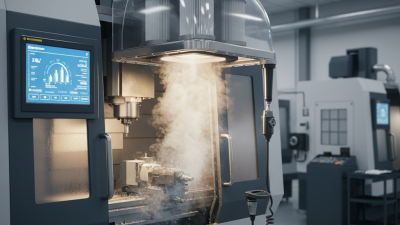
Buyers must also reflect on cooling mechanisms. Spindles generate heat during operation. Without proper cooling, spindles can wear out quickly. Various cooling methods exist, but they come with their own challenges. Not all cooling methods suit every application. Understanding these details can significantly impact the longevity of the spindle.
Types of CNC Spindles: Choosing the Right One for Your Needs
When choosing a CNC spindle, understanding the types available is crucial. Variable frequency spindles offer flexibility in speed adjustments, making them suitable for various materials. This adaptability can lead to better finishes and longer tool life. However, they require a precise control system, which might be a drawback for some users.
Brushless spindles are another option, known for their efficiency. They provide high torque and low maintenance needs. These spindles can handle demanding tasks and operate quietly. Nonetheless, potential buyers should consider their upfront costs, as they can be higher than traditional models.
Collet chucks allow for quick tool changes, enhancing workflow. They are easy to use, but they require proper alignment and care. Users sometimes overlook the need for regular maintenance, which can lead to inconsistencies in performance. Each type has its advantages and challenges, so assessing your specific needs is essential.
Maintenance Tips for Enhancing the Longevity of CNC Spindles
CNC spindles are crucial for precision machining. Proper maintenance is essential to ensure their longevity and performance. Regularly check for any signs of wear or damage. Inspect the bearings and coolant systems frequently. These components are vital for smooth operation. A small issue can lead to larger problems.
Clean the spindle area regularly to avoid dust accumulation. Dust can obstruct the cooling system and cause overheating. Overheating can damage the spindle's internal parts. Pay attention to vibration levels during operation. Excessive vibrations may indicate imbalance or wear. This could reflect a need for immediate attention.
Lubrication is another key aspect. Use the proper type and amount of lubricant. Too much or too little can lead to premature wear. Ensure that cooling fans are functioning correctly. Non-functioning fans can escalate wear on bearings. Consistent monitoring helps catch issues early and minimize maintenance costs.
What is Cnc Spindle and How Does It Work for Buyers? - Maintenance Tips for Enhancing the Longevity of CNC Spindles
| Dimension |
Description |
Value |
| Spindle Speed |
The maximum speed at which the spindle operates |
10,000 - 40,000 RPM |
| Power Rating |
The maximum power the spindle can handle |
1 - 15 HP |
| Cooling Type |
How the spindle is cooled during operation |
Air-Cooled / Water-Cooled |
| Bearing Type |
Type of bearings used in the spindle |
Angular Contact Ball Bearings |
| Maintenance Frequency |
How often maintenance should occur |
Every 1000 hours |
| Common Issues |
Frequent problems that can arise |
Overheating, Vibration, Noise |
| Lifespan |
Typical operational lifespan of a spindle |
5,000 - 20,000 hours |
| Lubrication Type |
What type of lubrication is recommended |
Grease / Oil |