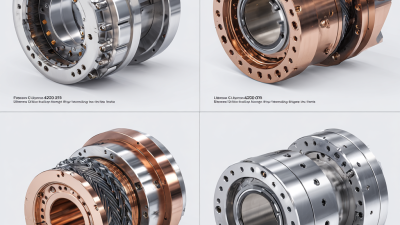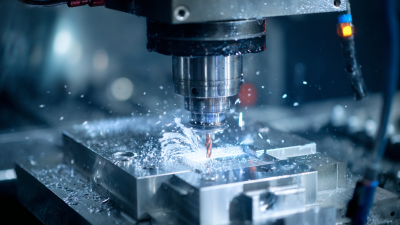
When venturing into the world of CNC machining, whether as a novice or a seasoned professional, understanding the essential components of CNC machines is crucial for success. The term "CNC parts" refers to the various integral components that allow for the precise operation and functionality of these advanced machines. From motors and drives to control systems and tooling accessories, each part plays a pivotal role in ensuring smooth manufacturing processes and high-quality outcomes.
In this comprehensive guide, we will delve into the essential aspects of buying CNC parts, highlighting key considerations that can help you make informed decisions. Whether you're looking to upgrade your existing setup or starting fresh with a new CNC machine, recognizing the importance of each component can significantly impact your productivity and efficiency. By understanding the functionality and compatibility of different CNC parts, both beginners and professionals can equip themselves with the knowledge needed to optimize their machining operations and ultimately achieve their project goals.
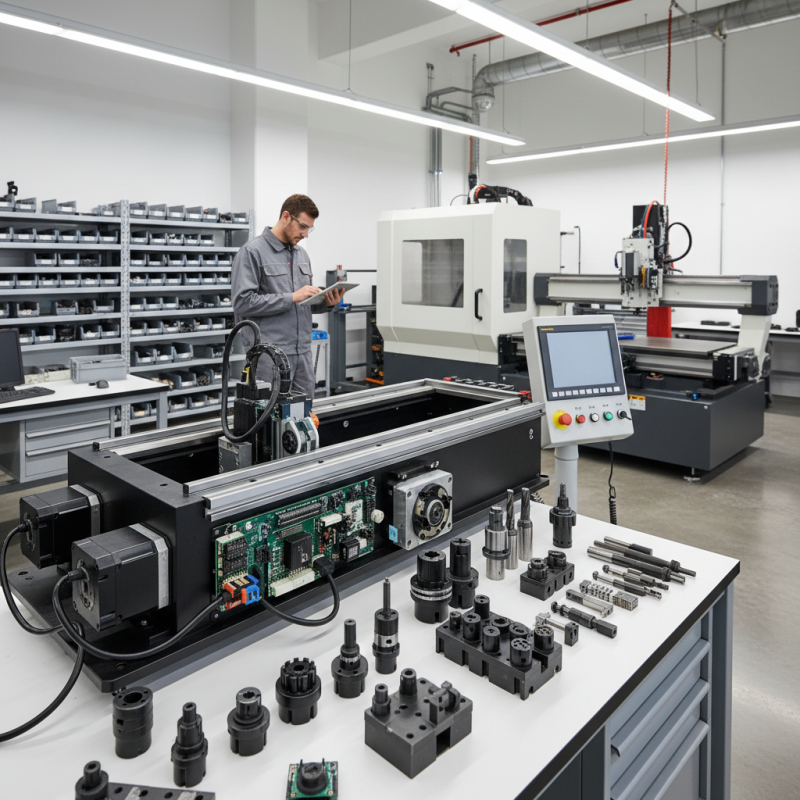
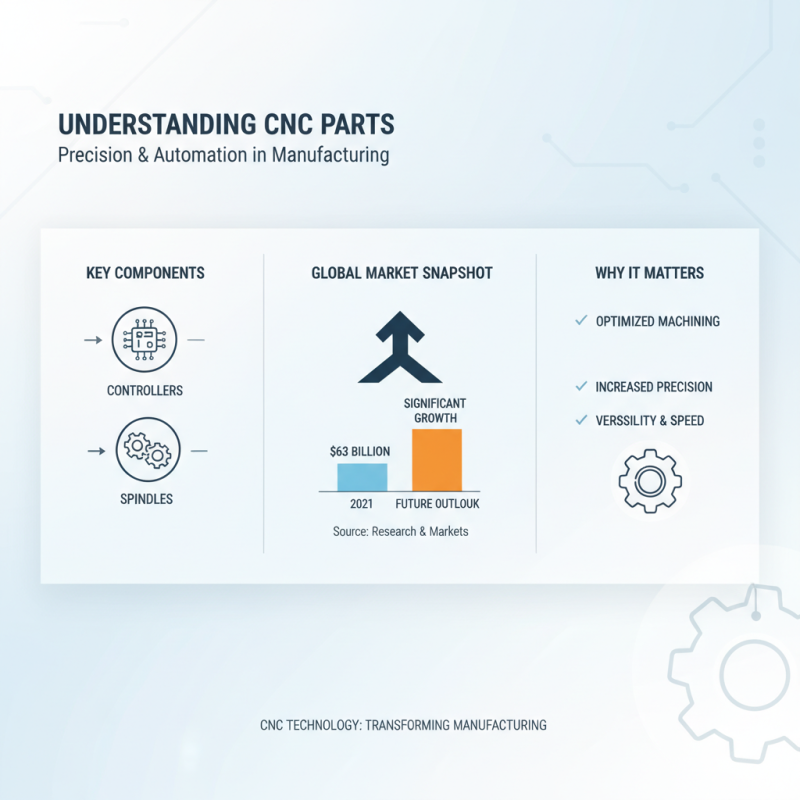
Understanding CNC parts is crucial for both beginners and professionals aiming to optimize their machining processes. CNC (Computer Numerical Control) technology has transformed manufacturing by enabling precision and automation. Essential terminology includes components like controllers, drive systems, and spindles. According to a report by Research and Markets, the global CNC machine market was valued at approximately $63 billion in 2021 and is expected to grow significantly, highlighting the increasing reliance on CNC technology in various industries.
The understanding of CNC parts also involves grasping the importance of tooling, which directly influences the quality and efficiency of production. Tooling encompasses cutting tools, tool holders, and work holding devices, which are vital for achieving desired tolerances and finishes. Data from Technavio indicates that the tooling segment of the CNC market alone is projected to reach $12 billion by 2025, underlining its essential role in streamlining manufacturing processes. Mastering these concepts empowers users to make informed purchasing decisions, whether they are investing in a basic machine or scaling operations with advanced CNC systems.
When purchasing CNC parts, several key factors need to be carefully considered to ensure optimal performance and compatibility with your existing setups. First and foremost, understanding the specifications of the parts is crucial. This includes dimensions, material composition, and tolerances. It is essential to verify that the components you choose align with your machine’s requirements to avoid any operational issues. Checking compatibility with the software and machinery can also save time and resources in the long run.
Another important factor is the supplier's reputation and the quality of the parts offered. High-quality CNC components can significantly influence the precision and durability of your projects. Look for suppliers who provide detailed descriptions, certifications, and quality assurance for their products. Reading customer reviews and testimonials can also provide valuable insights into the reliability and performance of the parts you are considering. Additionally, consider the availability of support and resources from the supplier, as this can be beneficial for both beginners and professionals when troubleshooting or during the integration of new components.
This bar chart represents the market demand for various CNC parts. The data depicts the number of units sold across different categories, which is crucial for understanding the most sought-after components for both beginners and professionals in the CNC machining industry.
When purchasing CNC parts, it’s crucial to ensure that you’re choosing components that meet high standards of quality, as this directly impacts the performance and longevity of your machinery. One of the first indicators of quality is the material used. High-grade metals like aluminum, stainless steel, and titanium are preferred for their durability and resistance to wear. Understanding the specifications of these materials and how they relate to your project’s requirements is essential; therefore, always verify the composition and certification of the materials.
Another important aspect to consider is the precision of the parts. CNC components should have tight tolerances to ensure optimal fit and functionality. Look for parts that are manufactured using advanced techniques and equipment, as these are more likely to deliver the accuracy required for intricate designs. Additionally, check for a detailed inspection process, as reputable suppliers often conduct thorough quality assurance procedures to guarantee that each part meets strict criteria.
Lastly, consider the supplier’s reputation and customer feedback. Established suppliers usually provide detailed information about their manufacturing processes and quality controls. Reviews and testimonials from other users can also offer insights into the reliability and performance of the parts. By focusing on these key factors—material quality, precision, and supplier reputation—you can make informed decisions that will enhance your CNC projects.
When diving into the world of CNC machining, budgeting for parts can seem overwhelming, especially for beginners. It's crucial to identify cost-effective options that don't compromise on quality. Start by outlining your project requirements and determine the specific types of CNC components you need, such as spindles, controllers, and drivers. By setting a clear budget and prioritizing essential parts, you can avoid unnecessary expenses while still achieving reliable performance.
Many manufacturers offer economical choices that cater to both beginners and experienced professionals. Look for suppliers that provide comprehensive kits which may include the necessary components at a reduced price, rather than purchasing items individually. Additionally, consider sourcing materials locally or from online marketplaces where competitive pricing can often be found.
Remember, investing some time in research can lead to significant savings, allowing you to focus on honing your skills and enhancing your projects without breaking the bank.
When it comes to purchasing CNC parts, knowing where to buy can be just as crucial as understanding the specifications and requirements of the components themselves. Reliable suppliers are key for ensuring quality and consistency in your projects. Many CNC enthusiasts, whether beginners or seasoned professionals, turn to specialized online marketplaces that focus exclusively on CNC machinery and components. These platforms often offer a wide range of products, from basic parts to more advanced components, all vetted for quality by the community.
In addition to online marketplaces, local supplier shops and industrial distributors can be invaluable resources. These outlets not only provide immediate access to parts but also allow for personal interaction with knowledgeable staff. This can be especially helpful for beginners who may have questions about compatibility or best practices. Networking within local maker spaces or CNC clubs can also lead to recommendations for trusted suppliers, ensuring that you are purchasing from reliable sources. Ultimately, a combination of online research and community engagement can help any CNC operator find the right parts for their specific needs.
| Part Type | Material | Size/Dimension | Purpose | Supplier Type |
|---|---|---|---|---|
| CNC Router Bit | Carbide | 1/4 inch | Cutting wood and soft materials | Online Retailer |
| Linear Rail | Steel | 20 mm | Linear motion | Specialty Supplier |
| Stepper Motor | Aluminum | NEMA 17 | Drive CNC machines | General Supplier |
| CNC Control Board | PCB | Universal | Control machine operations | Electronics Supplier |
| Spindle | Aluminum | 800W | Milling operations | Online Store |