When investing in CNC machinery, understanding CNC mist solutions is crucial. CNC mist refers to the fine particles generated during machining processes. These particles can affect both machine performance and air quality. Ignoring proper mist control can lead to costly repairs and health risks.
Many buyers overlook the importance of effective CNC mist solutions. They may not realize that using outdated systems can impact production efficiency. Compromising on mist management can result in decreased visibility and operator discomfort. This is a vital area to consider, especially in dense manufacturing environments.
Selecting the right CNC mist solution can enhance productivity significantly. Consideration of the various options can lead to better operational clarity. However, not all solutions are created equal. Research indicates that the effectiveness of mist control systems can vary widely. A deep understanding of these technologies will empower buyers to make informed decisions.
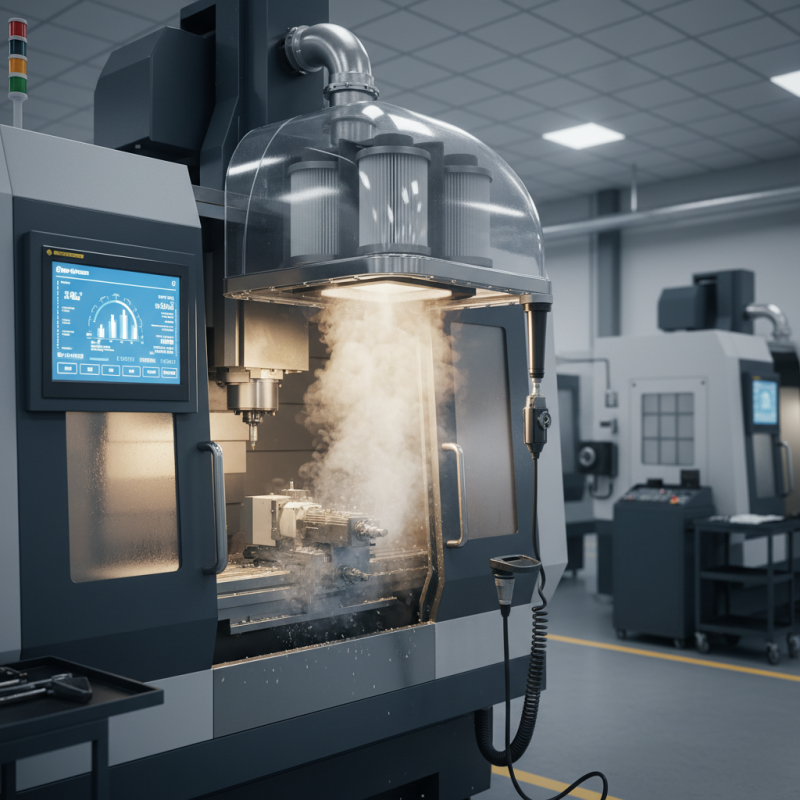
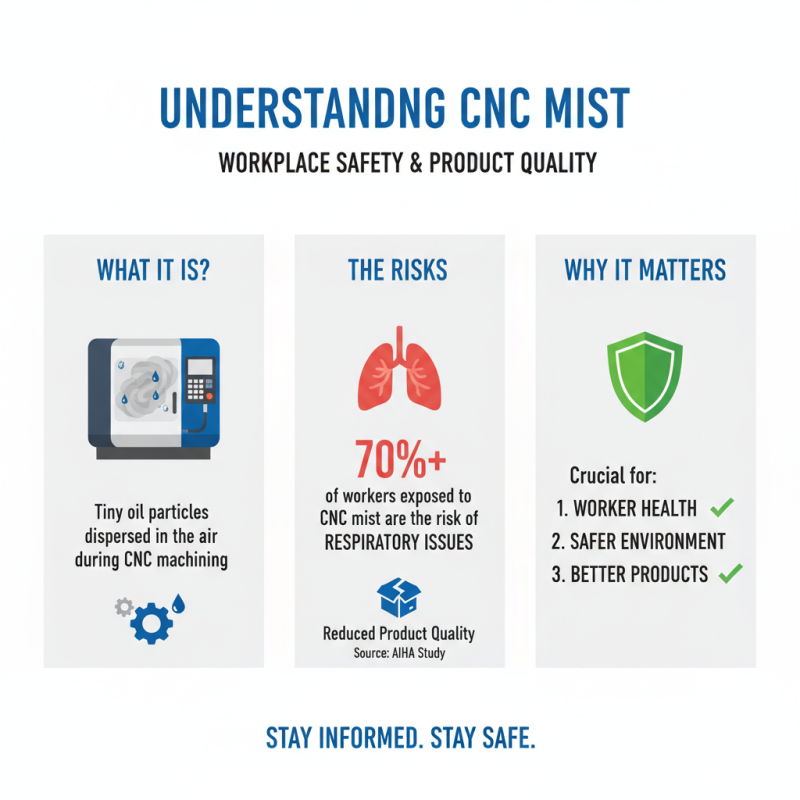
CNC mist is a pressing issue in manufacturing environments. It often consists of tiny oil particles that disperse into the air during machining processes. A study by the American Industrial Hygiene Association revealed that over 70% of workers exposed to CNC mist are at risk of respiratory issues. Clear understanding of CNC mist is vital for both workplace safety and product quality.
Proper ventilation can substantially reduce exposure levels. Utilizing mist collectors helps capture contaminants effectively. A report from the National Institute for Occupational Safety and Health highlights that a well-designed mist collection system can reduce harmful mists by up to 90%. However, not all systems perform as anticipated. Regular maintenance and filter changes are essential but often overlooked.
Training workers on the risks of CNC mist is also crucial. Many do not realize that prolonged exposure can lead to chronic conditions. Creating awareness of equipment limitations and emphasizing the importance of personal protective equipment can help mitigate risks. Continuous monitoring and assessment are critical. There is always room for improvement in safety protocols to ensure a healthier work environment.
CNC mist is a common issue in machining environments. Identifying the root causes is crucial for effective solutions. One common cause is inadequate lubrication. When the lubricant fails, it can lead to excessive heat and increased wear on tooling. This is often seen when operators do not maintain the correct fluid levels. For instance, if you notice your machine making unusual noises, it could indicate lubrication problems.
Another reason for CNC mist is incorrect coolant mixtures. Using a wrong ratio can create excessive mist. Many technicians overlook this detail, leading to poor performance. Operators should regularly check coolant concentrations to avoid these complications. Additionally, the machine's ventilation can play a significant role. Poor airflow can exacerbate mist production. Ensure that your workspace is well ventilated to reduce mist accumulation.
Finally, take note of machine settings. Incorrect spindle speeds or feed rates can generate more mist than necessary. Observing the machine during operation can provide insights into operational inefficiencies. If unusual mist patterns arise, it may be time for a thorough review of settings and maintenance practices. Understanding these factors is essential for improving CNC operations.
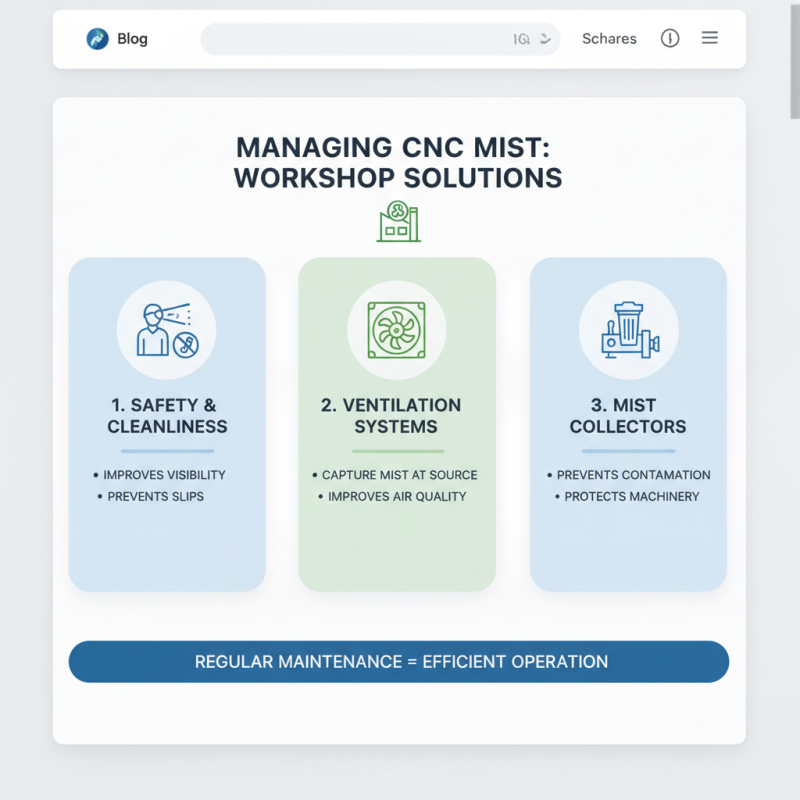
Managing CNC mist in your workshop is essential for a safe and clean environment. Mist can impair visibility and create slip hazards. Effective ventilation systems help capture mist at the source, improving air quality. You can also install mist collectors that prevent contamination of machinery. Regular maintenance of these systems ensures they function correctly.
Choosing the right coolant is crucial. Water-soluble coolants create less mist than traditional oils. However, these must be mixed correctly to avoid separation. Monitoring coolant levels helps maintain machine efficiency. It's important to be aware of buildup in hoses or nozzles. This can lead to inconsistent mist levels.
Workers should wear appropriate protective gear. Face shields and respirators minimize exposure to harmful particles. Providing training on mist management can enhance safety. Encouraging regular feedback from your team allows for adjustments to practices. Not every solution works for every workshop, so staying adaptable is key.
CNC mist management is essential in machining operations. Effective preventative measures can significantly enhance the durability of CNC mist systems. Regular maintenance is key. Inspect filters and nozzles frequently to keep everything functioning well. Clean the equipment to ensure optimal performance.
Incorrect mist levels can lead to problems. Use the right coolant types and ensure they are mixed properly. Too much or too little coolant can affect both the quality of the cut and the life of the machines. Monitor the temperature of the mist regularly. High temperatures can cause evaporation and reduce effectiveness.
Don't ignore the workspace environment. Adequate ventilation can help dissipate excess mist. This prevents buildup that may harm machines. Ensuring proper setup and training for operators helps avoid mistakes that can compromise mist systems. Remember, every shop faces challenges. It's crucial to adapt and find solutions that fit your specific needs.
When selecting CNC mist collectors, understanding your specific needs is crucial. Mist collectors come in various sizes and filtration capabilities. It's vital to assess the type of machining processes you will be using. This helps ensure efficient mist capture and enhances workplace safety.
Consider the volume of mist produced. If you work with high-horsepower machinery, opt for robust collectors. Pay attention to airflow rates and filtration efficiency. A system that can't handle your production levels will lead to inefficiencies and potential hazards. Choose what aligns with your operational demands.
Tip: Regular maintenance is key. A neglected mist collector can falter and create longer-term issues. Monitor filter conditions frequently to ensure optimal performance. Look for features like easy maintenance access. The simpler it is to maintain, the less downtime you'll face.
Evaluate noise levels as well. Some systems operate quietly, while others can be disruptive. Select a collector that balances performance with workplace comfort. Remember, a good choice not only collects mist but also contributes to a better working environment.
| Solution | Features | Pros | Cons |
|---|---|---|---|
| CNC Mist Collector A | High efficiency, low noise | Compact design, easy installation | Higher initial cost |
| CNC Mist Collector B | User-friendly control panel | Good filtration efficiency | Requires regular maintenance |
| CNC Mist Collector C | Multiple compatibility options | Versatile for different machines | May be hard to find parts |
| CNC Mist Collector D | HEPA filtration system | Excellent air quality improvement | Bulky design |
| CNC Mist Collector E | Energy-efficient operation | Cost-effective in the long run | Limited suction range |
| CNC Mist Collector F | Portable model | Easy transport and storage | Smaller tank capacity |
| CNC Mist Collector G | Smart technology integration | Remote operation capability | Higher price point |
| CNC Mist Collector H | Sustainable materials | Eco-friendly option | Limited to specific machines |
| CNC Mist Collector I | High capacity | Suitable for high-volume production | Complex installation process |
| CNC Mist Collector J | Customizable features | Adapts to various needs | Potentially costly upgrades |