What is CNC Mist and How to Prevent It in Your Workshop?
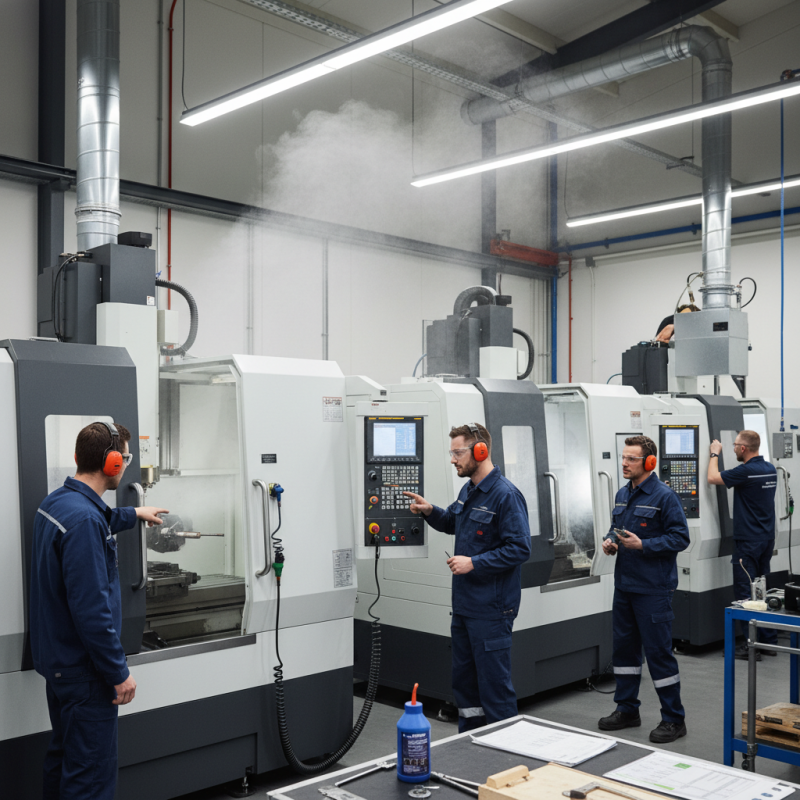
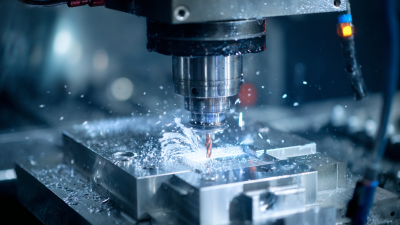
CNC mist is a common challenge in workshops that use CNC machines. This fine mist is created during machining processes. It arises from cutting fluids and lubricants. If not managed properly, CNC mist can lead to safety risks and negatively impact air quality.
Proper knowledge and strategies are essential to prevent CNC mist. Implementing adequate ventilation systems is one step towards maintaining a safe environment. Regular maintenance of machines can help minimize the production of mist. Gathering data about the types of materials used can also play a role in controlling mist.
However, addressing CNC mist requires ongoing attention. Many workshops overlook this issue until it becomes severe. This unawareness can lead to poor air quality and health hazards for operators. Reflecting on past experiences can inform better practices for the future. Making conscious adjustments today can lead to a safer workshop tomorrow.
Understanding CNC Mist: Definition and Composition
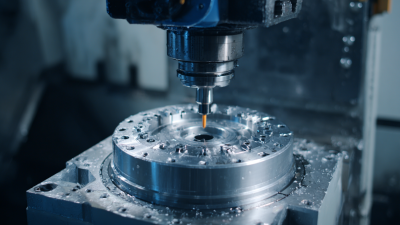
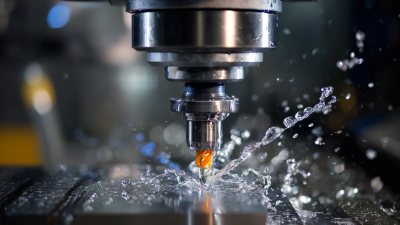
CNC mist is a common issue in workshops using CNC machinery. It consists mainly of fine oil droplets that form during machining processes. This mist is often created when cutting fluids are atomized due to high-speed operations.
Understanding its composition is key to effective management. It usually contains oil, water, and small particles from the workpiece materials. When inhaled, it can pose health risks, making effective ventilation crucial in any workshop.
To reduce CNC mist, consider installing a high-quality mist collector. These devices capture the mist at the source, minimizing its release into the air.
Keep your workspace clean and well-maintained. Regularly check filters and parts of your CNC machine to prevent the buildup of oil and other residues. Also, optimize your cutting parameters. Using the right speed and feed rates can significantly reduce mist generation.
You might overlook simple steps. Always ensure that your coolant is properly mixed and replenished. Improper mixtures can increase mist formation.
Evaluate your workshop's airflow and ensure it is efficient. A well-ventilated space can help disperse any remaining mist. Make these adjustments regularly. They can enhance safety and improve the quality of your work.
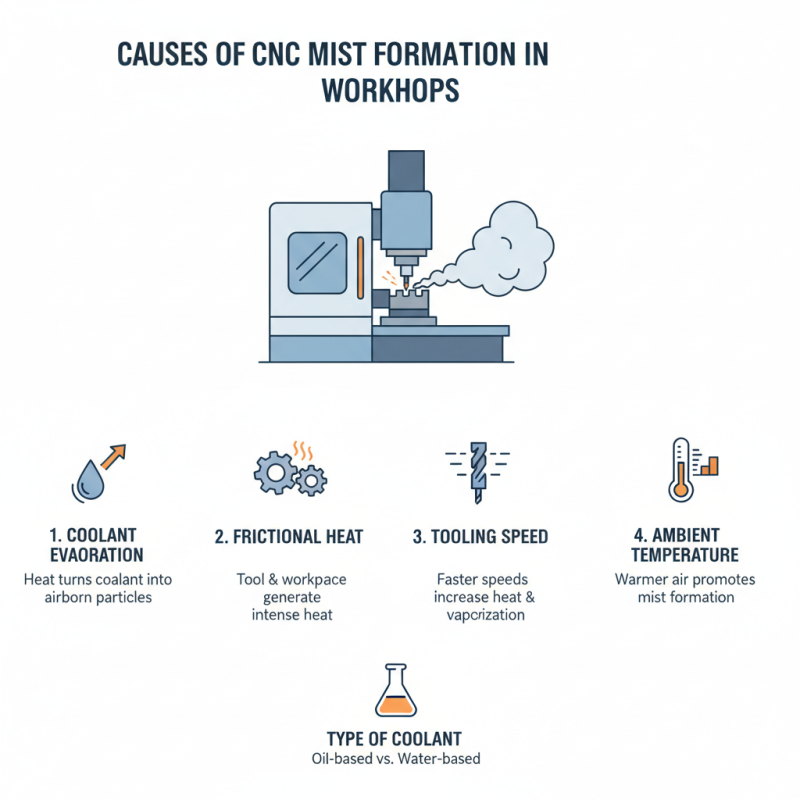
Causes of CNC Mist Formation in Workshops
CNC mist is a common issue in machining workshops. It typically arises from the evaporation of coolant used during the cutting process. The heat generated from the tool and workpiece can vaporize these fluids, leading to mist formation. Factors such as tooling speed, type of coolant, and ambient temperature all play a significant role in this phenomenon.
Improper setup can exacerbate mist issues. If the coolant delivery systems are malfunctioning, it can lead to inadequate application, increasing mist production. Additionally, the choice of coolants can contribute. Some fluids are more prone to evaporating, depending on their chemical composition. Maintaining a consistent workshop environment is critical. High temperatures and low humidity can speed up evaporation, making mist more prevalent.
Regular maintenance of machines is essential. Clean the coolant tanks and check for any leaks. A well-functioning coolant system can greatly reduce mist formation. Another aspect to remember is the shop's ventilation. Poor airflow allows mist to linger, creating a problematic environment. Engaging in conversations with colleagues about their experiences can also provide insight. Being aware of these factors can help mitigate issues effectively.
Impact of CNC Mist on Equipment and Work Environment
CNC mist has become a significant concern in machining environments. According to a 2021 study by the National Institute for Occupational Safety and Health (NIOSH), nearly 40% of workers exposed to mist reported respiratory issues. This aerosol can contain oil droplets, metal particles, and harmful chemicals. These contaminants may cause equipment malfunction and pose health risks to operators.
The impact of CNC mist extends beyond immediate health concerns. It can lead to equipment wear, reducing the lifespan of machines. Data from the American Society of Mechanical Engineers (ASME) indicates that improper mist management can cause up to a 20% drop in machining efficiency. Environments with high mist levels often exhibit poor visibility, increasing risks of accidents. Regular maintenance checks and proper ventilation are often overlooked, yet vital.
Operators must remain vigilant. Many workshops lack sufficient filtration systems, which can exacerbate problems. Improving mist management is not just about compliance; it's about creating a safer workspace. Adopting better practices may lead to long-term benefits. Training and awareness remain key; many operators need guidance on effective prevention measures.
Effective Strategies to Prevent CNC Mist Accumulation
CNC mist is a common issue in workshops, affecting both equipment and air quality. It consists of tiny droplets from coolant fluids used during machining processes. This mist can lead to slippery surfaces and respiratory concerns. Preventing CNC mist is essential for a safe and efficient workspace.
Regular maintenance of your CNC machines is crucial. Check for leaks and ensure proper coolant levels. Neglecting this can increase mist formation and create a messy environment. Clean your workshop regularly to remove accumulated mist and fluid. This simple step can significantly enhance safety and equipment lifespan.
Consider installing effective mist collection systems. These systems capture airborne fluids before they settle on surfaces. Proper ventilation also plays a role. Keep your workspace well-ventilated to disperse mist. Avoid relying solely on coolants, as excessive use can worsen the problem.
Tips: Use less coolant when possible. Monitor your cutting speeds and feeds to minimize mist generation. Experiment with different techniques to find what works best in your situation. Mist prevention is a continuous process, often requiring adjustments and reflections on practices.
CNC Mist Accumulation Levels in Different Workshop Conditions
This bar chart illustrates the levels of CNC mist accumulation under various workshop conditions. Optimized ventilation significantly reduces mist levels, while poor ventilation and high humidity increase accumulation, necessitating effective strategies to minimize CNC mist in your workshop.
Best Practices for Maintaining a Mist-Free CNC Workshop
Maintaining a mist-free CNC workshop is crucial for both productivity and safety. Studies show that excessive mist can lead to reduced visibility and slipping hazards, impacting worker efficiency. A report from the National Institute for Occupational Safety and Health emphasizes that mist can contain harmful particulates, posing respiratory risks. It's vital to address this issue proactively.
One effective strategy is proper ventilation. Ensuring adequate airflow can significantly reduce mist accumulation. Installing exhaust systems capable of filtering mist and vapors helps maintain air quality. Regularly servicing these systems is essential; a study indicates that improperly maintained ventilation systems can allow mist to linger in the shop.
Using water-soluble coolants can also mitigate mist generation. However, the concentration of these coolants should be carefully monitored. Data from the American Society of Mechanical Engineers suggests that an optimal mix can minimize mist while maximizing cooling efficiency. Regularly checking coolant levels and replacing them can prevent mist-related challenges. Engaging in routine cleaning helps eliminate residues that contribute to mist formation.
What is CNC Mist and How to Prevent It in Your Workshop? - Best Practices for Maintaining a Mist-Free CNC Workshop
| Prevention Method |
Description |
Effectiveness |
Recommended Frequency |
| Proper Ventilation |
Ensure adequate airflow to dissipate mist. |
High |
Continuous |
| Use of Mist Collectors |
Install collectors to capture mist at source. |
Very High |
Every Operation |
| Lubrication Control |
Use minimum lubricant necessary for machining. |
Moderate |
As Needed |
| Regular Maintenance |
Keep machines and work area clean and well-maintained. |
High |
Weekly |
| Training Operators |
Train staff on proper machine setup and operation. |
High |
Monthly |