What is Cnc Flywheel and How Does It Impact Performance?
The Cnc Flywheel is a crucial component in performance-driven vehicles. It plays a vital role in how swiftly a car can respond to throttle inputs. By optimizing engine speed and torque, a Cnc Flywheel significantly enhances overall performance metrics.
Precision manufacturing using CNC technology ensures that flywheels achieve optimal balance and weight reduction. This aids in quick acceleration, allowing drivers to experience a more responsive ride. However, while lighter flywheels can improve performance, they may impact drivability in some situations, especially in stop-and-go traffic.
Understanding how a Cnc Flywheel influences performance is essential for automotive enthusiasts. Yet, it’s important to note that not all vehicles will benefit equally. The balance between enhanced performance and everyday drivability requires careful consideration, making this a nuanced topic for both professionals and hobbyists alike.
What is a CNC Flywheel and Its Function in Engine Systems
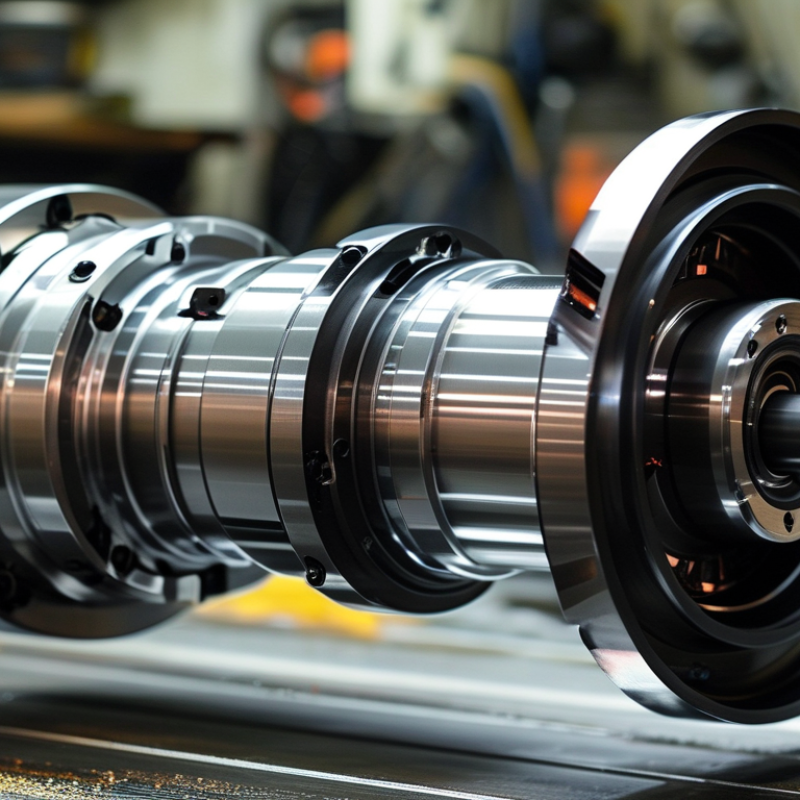
CNC flywheels play a crucial role in engine systems. They are precision-engineered components that help improve an engine's efficiency. By utilizing CNC (Computer Numerical Control) machining, these flywheels achieve a high degree of accuracy. This precision contributes to balanced weight distribution, which is vital for optimal engine performance.
The function of a CNC flywheel includes storing rotational energy. This energy storage allows for smoother acceleration and deceleration. With less weight fluctuation, the engine runs more smoothly. However, not all designs are perfect. A poorly engineered flywheel can lead to vibrations. These vibrations may ultimately harm engine longevity.
Another aspect worth noting is the balance required in performance tuning. A CNC flywheel can enhance power delivery but may introduce challenges. Finding the right balance for comfort and performance is essential. Drivers often face the dilemma of achieving speed without sacrificing ride quality. Ultimately, the effectiveness of a CNC flywheel hinges on meticulous design and installation.
Benefits of CNC Machining for Flywheel Production
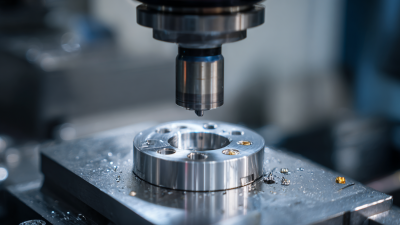
CNC machining plays a crucial role in flywheel production. It offers precision and accuracy that traditional methods often fail to achieve. This precision enhances performance by ensuring uniformity in weight and dimensions. A well-balanced flywheel reduces vibrations and contributes to smoother engine operation.
The benefits of CNC machining extend beyond accuracy. It allows for complex geometries that improve airflow and energy transfer. These enhancements can lead to better acceleration and responsiveness. However, the initial setup costs and programming time can be significant. Each project requires skilled operators to maximize the potential of CNC machinery.
Moreover, there are challenges in selecting the right materials. Using metals with varying properties can affect durability and performance. It's vital to strike a balance between weight and strength. In some instances, testing and iterations may be needed. This process illustrates the ongoing quest for improvement in manufacturing techniques.
What is Cnc Flywheel and How Does It Impact Performance? - Benefits of CNC Machining for Flywheel Production
| Dimension |
Value |
Impact on Performance |
| Weight (kg) |
10 |
Increased inertia, better torque delivery |
| Material |
Aluminum Alloy |
Lightweight, improved acceleration |
| Diameter (cm) |
30 |
Enhanced rotational energy |
| Thickness (cm) |
5 |
Stability under high RPMs |
| CNC Precision (mm) |
0.01 |
Improved balance, reduced vibration |
How a CNC Flywheel Enhances Engine Performance and Efficiency
A CNC flywheel is a precision-engineered component that can drastically enhance engine performance and efficiency.
Unlike traditional flywheels, CNC flywheels are crafted with advanced computer numerical control technology. This process ensures exact tolerances and consistent material properties.
According to a report by the American Society of Mechanical Engineers, using a CNC flywheel can improve torque by up to 10% in specific engine configurations.
This increase translates to better throttle response and quicker acceleration, a critical factor for performance-oriented drivers.
One important aspect often overlooked is the balance of the flywheel. A well-balanced CNC flywheel reduces vibrations, prolonging engine life. The reduction of wear and tear can lead to extended intervals between maintenance.
Engine efficiency also benefits. Studies indicate that a lightweight flywheel can result in fuel savings of about 5% under certain conditions.
However, this weight savings can come at the expense of stability during low-speed driving. Knowing when and how to utilize a CNC flywheel is key to maximizing its benefits.
Precision and design matter immensely in the ever-evolving automotive landscape, where slight adjustments can yield substantial performance gains.
Factors to Consider When Choosing a CNC Flywheel
When selecting a CNC flywheel, factors such as material composition and weight play crucial roles. The flywheel's construction significantly influences the engine's efficiency and responsiveness. For example, lighter flywheels tend to improve acceleration by reducing rotational inertia. Data indicates that performance can enhance by up to 20% with the right weight balance, particularly in high-revving engines.
In addition to weight, the design geometry is critical. A well-engineered flywheel can optimize energy storage and release. This optimization helps maintain engine speed during shifts. However, not all designs suit every application. Some engines may experience reduced performance with overly aggressive designs. Attention to vehicle specifications is essential to maximize benefits.
Durability is another factor to consider. Machining tolerances can impact lifespan and reliability. Precision manufacturing leads to more durable components, reducing the risk of failure. Reports suggest that CNC machined flywheels can last up to 30% longer than traditional options when made from high-quality materials. It's vital to analyze both performance needs and material quality to ensure informed decisions.
Common Applications of CNC Flywheels in Automotive Engineering
CNC flywheels are pivotal in automotive engineering, serving various functions across multiple applications. These precision-engineered components enhance performance through reduced weight and improved rotational efficiency. Recent studies highlight that a CNC machined flywheel can minimize parasitic losses by up to 15%. This efficiency translates into quicker acceleration and better throttle response.
In racing motorsports, CNC flywheels are critical. They allow for rapid engine RPM changes, crucial during competitions. The weight reduction from traditional flywheels can significantly improve lap times, making them advantageous in timed events. Research indicates that vehicles equipped with lighter flywheels can finish races seconds ahead. The impact is not limited to racing; CNC flywheels are also used in performance street vehicles, optimizing daily drivability and fuel economy.
However, it's essential to note potential downsides. Some experts suggest that overly lightweight flywheels can lead to stalling at low RPMs. Balancing weight and performance is crucial. This complexity requires engineers to assess driving conditions to ensure optimal performance. Exploring these trade-offs can lead to better designs in the future. The evolution of CNC flywheels illustrates a blend of engineering precision and on-road performance needs.
Impact of CNC Flywheels on Automotive Performance
CNC flywheels are critical components in automotive engineering, providing significant benefits in terms of performance. This chart illustrates how CNC flywheels impact various performance metrics in vehicles, including torque increase, weight reduction, engine response time, and fuel efficiency.