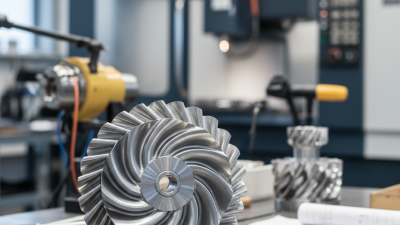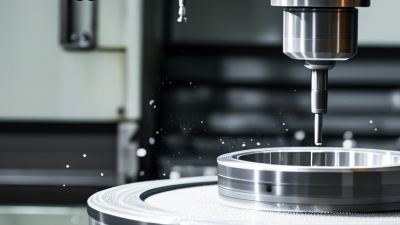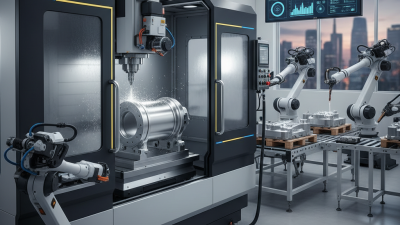
Choosing the right Cnc Rotors starts with the job they must perform, not the most impressive specification sheet. A rotor for a high-speed spindle faces different demands from one used in a pump or precision motor. Material, operating speed, heat, load, and available space all shape the choice. Small details matter.
Check the drawing, shaft interface, rotor diameter, and required tolerances before comparing suppliers. Ask how concentricity and balance are measured, and request inspection records that match your application. A polished specification can still miss a practical issue, such as clearance changing after the assembly warms up. Fit comes first.
For transparency, Elena Ward is a fictional composite CNC rotor specialist created for this introduction; the following is an original illustrative statement, not a verified quotation: “Choose the rotor around its real operating conditions, then verify every critical dimension.” That principle keeps selection grounded in measurable needs. This guide examines materials, machining quality, balancing, tolerances, supplier documentation, and questions worth asking before purchase. It also considers trade-offs: tighter tolerances may increase cost, while a lower price may leave less evidence about consistency. No single rotor suits every machine. The right choice is the one whose verified performance fits your equipment, duty cycle, and maintenance plan.
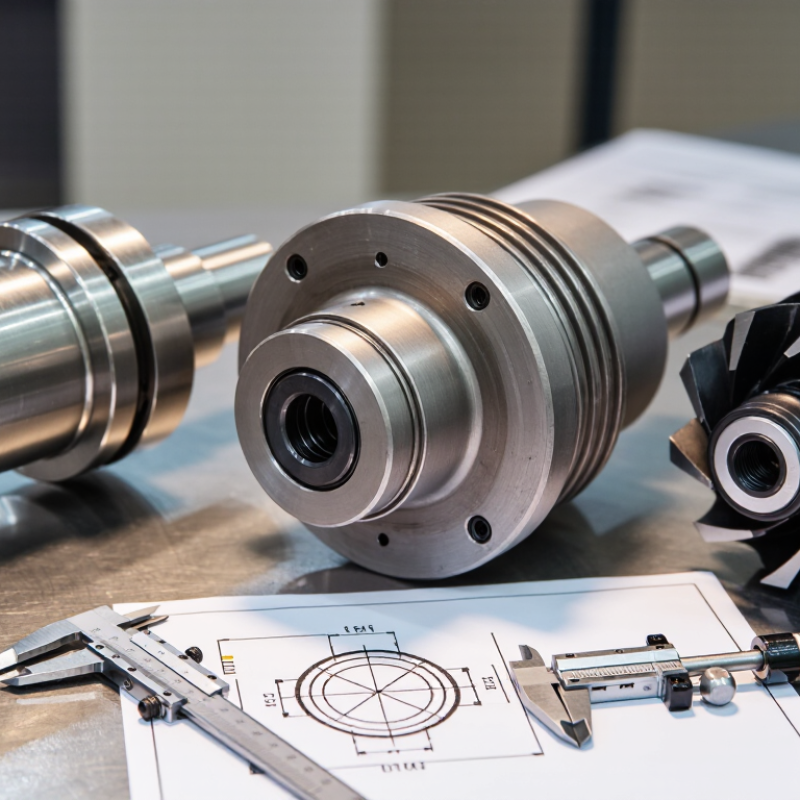
CNC rotors are rotating components shaped or finished with computer-controlled cutting tools. The term can describe brake discs, motor parts, or custom machinery components. Their intended use matters more than the label. Purpose matters.
For a brake application, check the rotor’s diameter, thickness, mounting pattern, and material. These dimensions must match the vehicle and its braking system. A rotor that looks suitable may still cause poor fit or uneven pad contact. Heat capacity also matters. Frequent heavy braking can demand different design features than ordinary commuting.
In electric motors and industrial equipment, rotor balance, shaft fit, operating speed, and temperature range become key considerations. A small imbalance can create vibration, noise, and extra bearing wear. Ask for dimensional specifications and material details, not just a claim of precision machining. CNC production can improve consistency, but it does not automatically make a part stronger or better suited to every job. I would not choose by appearance alone. It is easy to overlook the operating conditions: moisture, dust, repeated heat cycles, or limited maintenance can change what works reliably. Check compatibility with the complete assembly before selecting a rotor.
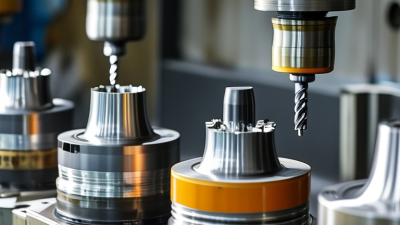
Choosing the right CNC rotor starts with fit, not appearance. Check the outer diameter, thickness, center bore, mounting pattern, and available clearance. Use the equipment drawing where possible; a worn rotor can give misleading measurements. Measure twice. The rotor’s shape must also suit its housing and airflow needs. Vented, slotted, or solid designs behave differently under heat and load, so match the geometry to the actual operating conditions.
Tips: Record every measurement with units. Confirm the drawing revision, and note any clearance limits. Do not guess.
Next, define performance requirements: operating speed, torque, temperature range, duty cycle, and acceptable runout. Material choice affects strength, heat handling, weight, and machining needs. Specify tolerances and surface finish clearly, especially for mating faces and the bore. CNC machining can produce consistent dimensions, but results still depend on suitable material, secure fixturing, and inspection. It is tempting to request the tightest tolerances everywhere; that can add cost without improving function. Review the critical dimensions with the design or maintenance team before ordering.
Rotor selection starts with the duty cycle, not the cutter path. Gray iron absorbs heat well and suits frequent road braking; SAE J431 provides grade classifications for automotive gray-iron castings. Higher-carbon iron can improve thermal fatigue resistance, but alloy claims matter only when supported by test data. Carbon-ceramic composites reduce mass and resist high temperatures, yet cost more and may feel less consistent when cold. The U.S. Department of Energy reports that a 10% reduction in total vehicle weight can improve fuel economy by 6–8%. That figure applies to the whole vehicle, not a rotor swap alone.
A useful reminder.
Vented rotors move air through internal channels; plain faces are often sensible for street use. Cross-drilling can help clear surface gases, but holes may become stress points under repeated heat cycles. Slots can refresh pad contact, though they may increase noise and wear. CNC machining shapes the friction faces and hat, but precision depends on fixturing, tool condition, and final runout checks. Many iron rotors are cast first, then finish-machined; carbon-ceramic parts need specialized processing and tooling. Ask for material certificates, dimensional tolerances, and thermal-cycle test results. A shiny finish proves little. Compare measured performance with your vehicle’s weight, pad compound, and typical stops; that last detail is easy to overlook.
How to Choose the Right CNC Rotors?
Checking Equipment Compatibility and Quality Standards
A CNC-finished brake rotor must match the vehicle, axle, and braking setup—not just the wheel diameter. Check the rotor’s outer diameter, thickness, center bore, bolt pattern, hat offset, and caliper clearance against the vehicle maker’s specifications. Also confirm whether the setup requires a specific vane direction or left-right rotor pair. A small offset error can cause rubbing. Measure the hub and old rotor with calipers or a micrometer; don’t rely on a product photo alone.
Quality checks need evidence, not a polished surface. SAE J431 covers material requirements for automotive gray iron castings, but it does not replace vehicle-specific fitment or performance checks. Ask for material and dimensional inspection records, including thickness variation and lateral runout, and compare allowable limits with the service manual. The 2023 Commercial Vehicle Safety Alliance International Roadcheck report found 19.3% of inspected commercial vehicles placed out of service; brake systems accounted for 25.8% of vehicle out-of-service violations. That is a useful reminder that brake components deserve careful inspection, though the figures cover whole vehicles, not rotor defects.
Before installation, inspect the rotor face and mounting hat for shipping damage, then clean the hub so rust does not create runout. I would still recheck measurements after fitting; that step is easy to skip. A smooth finish alone proves very little.
Reference balance quality grades from ISO 21940-11. Lower values indicate tighter balancing requirements; confirm the required grade and rotor fit with the machine manufacturer.
Balance quality grade G is expressed in mm/s. A suitable rotor must also match the machine’s specified dimensions, mounting interface, operating speed, and material requirements.
Choosing CNC rotors starts with supplier evidence, not polished claims. Ask for material certificates, dimensional inspection records, and documented checks for runout, balance, and surface finish. A supplier should explain how parts are measured and what happens when a batch misses tolerance. Request a sample or first-article report. Numbers matter.
Compare quotations using equivalent specifications. A lower unit price can hide setup charges, tooling, minimum order quantities, freight, or long lead times. Check whether inspection and traceability are included. For critical equipment, an unusually cheap rotor deserves questions, not automatic rejection. I may be overcautious here, but downtime and replacement labor can outweigh a modest price difference. Ask suppliers for realistic service-life assumptions under your speed, load, temperature, and operating conditions.
Maintenance should match the rotor’s actual use. Confirm inspection intervals, allowable wear, cleaning methods, and replacement criteria in writing. Record vibration, temperature, and visible scoring; small changes can indicate imbalance or bearing problems. Plan access for removal, too. It is often overlooked. If a supplier cannot explain how maintenance affects performance, treat that as a gap and seek a technical answer before ordering.
| Evaluation Area | What to Check | Practical Evidence or Benchmark | Cost and Long-Term Impact |
|---|---|---|---|
| Application and material | Confirm the rotor’s intended vehicle or machine, operating loads, temperature range, and environment. For automotive brake rotors, gray cast iron is commonly used; specialized designs may require other specified materials. | Require a material grade on the drawing or purchase specification, plus material certificates or traceability records when needed. | Material choice affects raw-material price, machinability, heat performance, corrosion behavior, and expected service life. Avoid paying for an upgraded material unless the application requires it. |
| Dimensional accuracy | Specify outside diameter, finished thickness, mounting-face geometry, bolt pattern, center bore, parallelism, and critical tolerances. | Ask for an inspection report covering drawing-critical dimensions. Confirm measuring methods and instrument calibration status. | Tighter tolerances can increase machining and inspection time. Prioritize tight tolerances on features that affect fit, balance, and operation. |
| Runout and balance | Check lateral runout at the friction surface and balance requirements for the complete rotor assembly. | For brake rotors, service limits are vehicle-specific; values around 0.05–0.10 mm are common reference ranges, not universal acceptance limits. Use the vehicle or equipment specification. | Additional setup, balancing, and inspection add cost but can reduce vibration, rework, and warranty claims. |
| Surface finish | Define the required finish for friction surfaces and mounting faces, including any coating or post-machining treatment. | State the required surface-finish value and measurement location on the drawing. There is no single finish requirement suitable for every rotor design. | Finishing and coating processes may add cost. A controlled finish can support consistent contact and help prevent fit or performance issues. |
| Supplier quality controls | Review documented inspection procedures, nonconformance handling, process traceability, and change-control practices. | Request a first-article inspection for new or revised parts. Quality-system certification can be useful, but it does not by itself prove that a specific rotor meets its drawing. | Strong controls may raise the quoted price but can lower the risk of rejected parts, production delays, and repeat failures. |
| Manufacturing capability | Check that the supplier can machine the required material and geometry, maintain repeatability, and inspect all critical features. | Ask which operations are performed in-house, what inspection equipment is used, and how production parts are checked against the approved drawing. | In-house machining and inspection may shorten communication and rework cycles. Outsourced steps can affect lead time and traceability. |
| Quotation and total cost | Compare material, programming and setup, machining, finishing, balancing, inspection, packaging, freight, and applicable duties as separate quote items. | Request pricing at several order quantities and confirm the quote’s validity, payment terms, tooling charges, and treatment of rejected parts. | Prototype orders usually have the highest unit cost because setup and programming are spread across fewer parts. Repeat production often lowers unit cost, while inspection and finishing requirements can offset some savings. |
| Lead time and repeatability | Confirm sample approval timing, production capacity, delivery schedule, and availability of replacement batches. | Ask for a written schedule and a process for approving drawing or material changes before production. | A low unit price may not be economical if long lead times require excess inventory or interrupt operations. Include freight and the cost of downtime in comparisons. |
| Maintenance and service life | Plan inspections for thickness, cracks, heat damage, corrosion, mounting-face cleanliness, and abnormal vibration or noise. | For brake rotors, follow the vehicle maker’s inspection guidance and replace the rotor at or below its marked minimum thickness. Do not use a generic replacement interval. | Correct installation, clean mating surfaces, and fasteners tightened to the specified torque help reduce runout-related problems. Service costs depend on use, environment, and inspection findings. |
| Final supplier decision | Score technical fit, quality evidence, delivered cost, communication, lead time, and support for future batches. | Use the same drawing, quantity, inspection requirements, and delivery terms when comparing quotations. | Select on total lifecycle value rather than unit price alone, especially when failures could create safety risks, downtime, or expensive replacement work. |
Note: Cost and performance depend on rotor design, material, quantity, tolerances, finishing, and application. Confirm all acceptance limits against the applicable engineering drawing and service documentation.