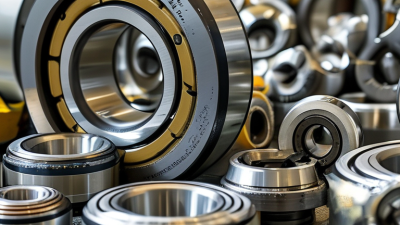
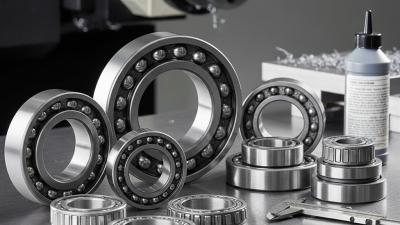
7 Tips for Choosing CNC Bearings for Your Machine?
Selecting CNC bearings is not a catalog exercise. It is a decision about spindle speed, cutting loads, heat, accuracy, and service life. A bearing that runs quietly at low speed may struggle when a spindle reaches high RPM. The wrong fit can also create excess heat, vibration, or premature wear. Small details matter.
As a practical selection principle, bearing engineer Dr. Maya Chen puts it this way: “Match the bearing to the machine’s real loads and speed—not just its dimensions.” This is an illustrative quotation, not a verified statement from a cited expert. For a published article, replace it with a sourced quotation from a named specialist.
The seven tips in this guide focus on choices that affect CNC performance: bearing type, load capacity, precision class, speed rating, lubrication, sealing, and installation. Check the spindle manufacturer’s specifications before comparing options. Note the operating temperature, expected duty cycle, and cutting conditions; a warm housing after a long run can signal trouble. Then weigh precision against cost and maintenance needs. There is no universal best bearing. A useful choice fits the machine, the work, and the shop’s maintenance routine. Even careful selection has limits: alignment and installation can undo a good specification. The sections ahead explain what to check, what to ask suppliers, and where assumptions deserve a second look.
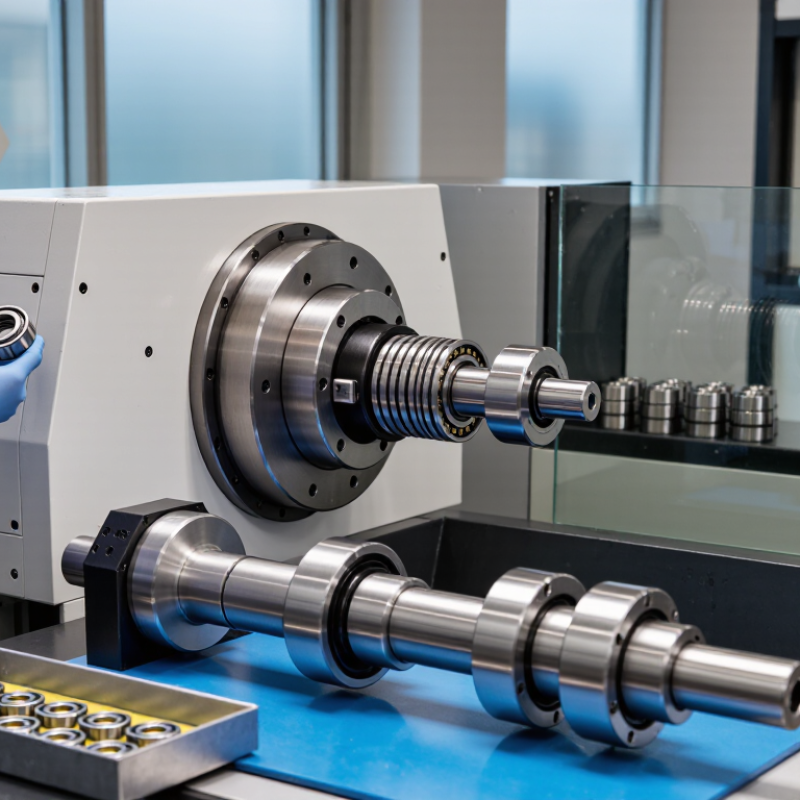
Understand the Role of Bearings in CNC Machine Performance
Bearings influence how smoothly a CNC machine moves, how accurately it holds a tool path, and how much vibration reaches the workpiece. In a spindle, poor bearing condition can show up as heat, noise, or a rough surface finish. On linear axes, excessive play may appear as small positioning errors. These signs are useful, but they do not identify one cause by themselves. Lubrication, alignment, preload, and operating speed also matter.
Tips: Match the bearing type to the spindle or axis, then check speed, load, stiffness, and operating temperature. Confirm dimensions and fit with the machine documentation. Keep coolant and chips away from seals. After installation, listen for unusual noise and monitor heat during a gradual run-in. Small changes matter.
A high load rating alone does not guarantee good CNC performance. For example, a spindle running at high speed may need a different balance of stiffness and heat control than a slower feed-axis assembly. I would also avoid replacing bearings based only on sound; a loose mount can make a healthy bearing seem faulty. Record vibration, temperature, and surface finish before and after maintenance. The comparison may be imperfect, but it gives technicians better evidence than memory alone.
Identify the Bearing Type and Configuration Your Machine Requires
Choosing a CNC bearing starts with the loads it must carry. A spindle mainly sees radial load, axial thrust, or both. Deep-groove ball bearings suit combined loads at moderate levels, while angular-contact bearings handle greater axial forces. Cylindrical roller bearings support high radial loads, but usually need another bearing to manage thrust. Match the arrangement to the spindle’s direction of cutting forces, operating speed, and required runout. Small details matter: a heavy cut can push the spindle forward, while a light finishing pass may expose vibration or excess play.
For paired angular-contact bearings, consider whether a back-to-back or face-to-face arrangement best resists moment loads. Preload can improve stiffness, but too much may raise temperature and shorten service life. Check the machine maker’s specified fits, lubrication, and allowable speed before changing the configuration. ISO 281:2007 defines basic rating life, L10, at 90% reliability under stated conditions. In other words, 10% of a bearing group may not reach that calculated life. It is a useful comparison, not a guarantee for a real spindle with contamination, misalignment, or changing loads. Measure the old bearing seats and note the original arrangement; assumptions here can be costly.
Match Bearing Capacity to Loads, Speed, and Precision Needs
7 Tips for Choosing CNC Bearings for Your Machine?
Match bearing capacity to the loads, speed, and precision your machine actually needs. A spindle bearing may face radial forces, axial forces, or both. Check the manufacturer’s load ratings against real cutting conditions, including tool pressure and workpiece weight. Do not choose by size alone. A bearing that is too lightly rated may wear early, while an oversized one can add cost and friction.
Tips:
- Identify radial and axial loads.
- Check maximum operating speed.
- Match precision to the part tolerance.
- Consider heat and lubrication.
- Verify shaft and housing fits.
- Account for vibration.
- Recheck ratings under your expected duty cycle.
Small details matter. A quick fit check can catch trouble before installation.
Speed and precision are closely linked. Higher speeds can raise heat, and heat may affect clearance and lubricant performance. A tight runout requirement may call for a more precise bearing, but only if the shaft, housing, and assembly are equally controlled. Measure twice. A clean calculation can still miss changing loads during a cut, so compare specifications with operating data when available. If conditions vary, leave a reasonable margin rather than relying on the peak rating alone. The best choice is not always the most expensive one.
Check Materials, Lubrication, and Operating Conditions
Choosing a CNC bearing starts with the material, but the machine’s real conditions matter just as much.
Bearing steel suits many general-purpose spindles; ceramic rolling elements may help in high-speed designs, though they are not automatically the better choice. Check shaft fit, coolant exposure, and temperature before deciding. A bearing near a warm motor or exposed to fine coolant mist faces different demands from one inside a sealed housing. Small details matter. ISO 15243:2017 classifies damage modes such as fatigue, wear, and corrosion, giving maintenance teams a useful framework for inspecting failed bearings.
Lubrication must match speed, load, and operating temperature. Too little lubricant can leave rolling contacts unprotected; too much grease can increase heat and drag. Follow the bearing or machine specification for lubricant type, quantity, and relubrication interval. ISO 281:2007 defines basic rating life L10 as the life that 90% of a sufficiently large group of identical bearings are expected to reach under stated conditions. That is a calculated rating, not a service-life promise: contamination, misalignment, and poor lubrication can shorten actual life. I would not treat catalog life as a complete answer. Record spindle speed, cutting load, ambient temperature, and coolant exposure, then compare those conditions with the bearing’s limits before selection.