How to Choose the Right Metal CNC Machine for Your Business Needs
When it comes to modern manufacturing, the significance of choosing the right equipment cannot be overstated. For businesses looking to enhance their production capabilities, investing in a Metal CNC machine can be a game-changer. Metal CNC (Computer Numerical Control) machines are pivotal for precision engineering, enabling manufacturers to produce intricate designs and high-quality components efficiently. However, the myriad options available on the market can make it challenging to select the most suitable machine for specific business needs.
Understanding the key factors involved in the selection process is crucial. It is not merely about the machine's capabilities, but also how those capabilities align with your operational goals and production requirements. From assessing the types of materials you will be working with to evaluating the scale of your operations, each decision carries weight. Furthermore, the technological features, maintenance needs, and overall cost of ownership are important considerations that will influence your choice.
In this guide, we will delve into the essential aspects of choosing the right Metal CNC machine for your business. By understanding your specific needs and the available options, you can make an informed decision that will drive both efficiency and growth in your manufacturing processes.
Understanding Your Business Requirements for Metal CNC Machines
When selecting the right metal CNC machine for your business, understanding your specific requirements is crucial. Begin by assessing the materials you will be working with. Different metals, such as aluminum, steel, and titanium, have varying properties that affect machining processes. Consider the thickness and hardness of these materials, as they will determine the type of spindle, tooling, and machine structure you need for efficient operations.
Another vital aspect to consider is the production volume and complexity of your projects. For high-volume production, a faster machine with automation features may be necessary to meet deadlines and ensure consistent quality. Conversely, for lower volume or more complex designs, a machine with advanced capabilities and flexible programming options might be more beneficial. Additionally, evaluate the space available in your facility and the potential for future growth, as this will influence the size and type of CNC machine that best fits your operational needs.
Types of Metal CNC Machines and Their Applications
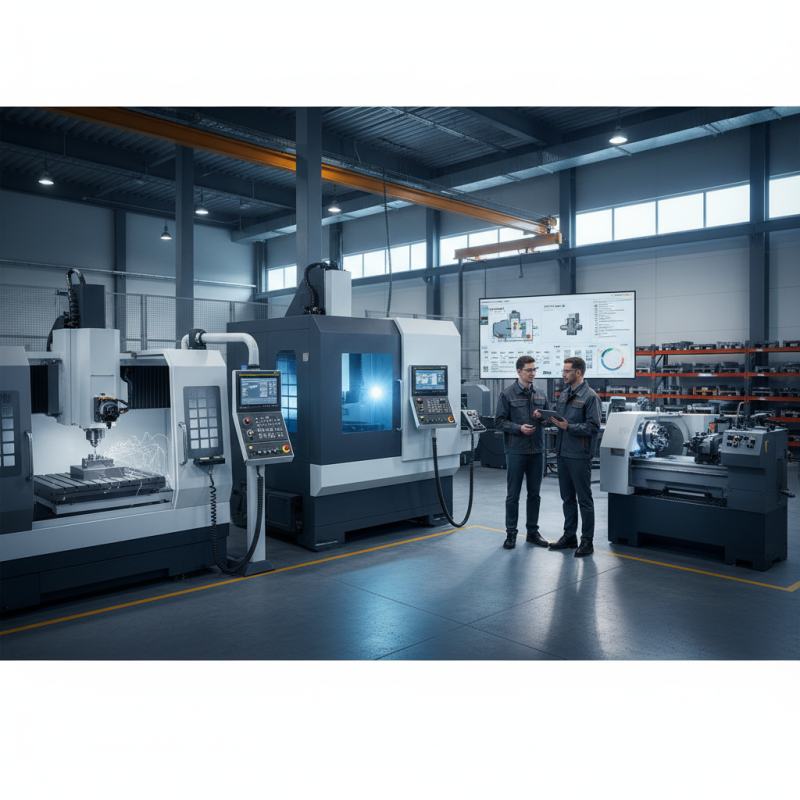
When selecting a metal CNC machine, it's essential to consider the various types available and their specific applications. One of the most common types is the CNC milling machine, which is versatile for operations such as drilling, shaping, and contouring metal parts. This type of machine is ideal for businesses looking to create intricate designs or prototypes, offering the flexibility to work with a wide range of materials, including aluminum, steel, and brass.
Another important category is CNC lathes, primarily used for turning operations where a rotating workpiece is shaped by stationary cutting tools. CNC lathes are perfect for producing cylindrical parts, such as shafts and fittings, and are highly efficient for high-volume production runs. Additionally, there are CNC plasma cutters, designed for rapid and precise cutting of sheets and plates, making them suitable for fabrication shops that deal with large metal sheets. Each of these machines serves distinct functions, making it crucial for businesses to assess their production needs and the complexity of the components they aim to produce.
Metal CNC Machines and Their Applications
Key Features to Consider When Selecting a CNC Machine
When selecting a CNC machine for your business, several key features should be at the forefront of your decision-making process. First, consider the machine’s size and work envelope, which must align with the projects you plan to undertake. A machine with a larger work envelope can accommodate bigger projects, but makes sense only if your work volume justifies the investment. Conversely, smaller machines can be more affordable and easier to manage, ideal for businesses focused on precision work and smaller components.
Another critical aspect to evaluate is the machine’s material compatibility. Different CNC machines are designed to work with specific metals, so understanding the materials you'll frequently use is essential. If your projects involve a variety of materials, select a machine with versatility or interchangeable capabilities to avoid the need for multiple machines.
Tips: Always assess the machine's software compatibility as well. A user-friendly interface and robust software support can significantly enhance workflow efficiency. Moreover, consider the availability of support and maintenance from suppliers, ensuring you have access to assistance if needed. Lastly, look for energy efficiency features that can reduce operational costs in the long run. These considerations will help you choose a CNC machine that fits your specific requirements and enhances your production processes.
How to Choose the Right Metal CNC Machine for Your Business Needs - Key Features to Consider When Selecting a CNC Machine
| Feature |
Description |
Importance Level |
| Machine Type |
Consider CNC milling, turning, or laser cutting depending on your projects. |
High |
| Work Envelope Size |
Ensure the machine can accommodate the size of your materials. |
Medium |
| Precision |
Look for machines with high accuracy rates for tighter tolerances. |
High |
| Spindle Power |
Higher spindle power allows for cutting through tougher materials. |
Medium |
| Software Compatibility |
Choose machines compatible with your existing CAD/CAM software. |
High |
| Maintenance and Support |
Consider the availability of technical support and ease of maintenance. |
High |
| Price |
Evaluate your budget and consider the total cost of ownership. |
High |
Evaluating Budget and Long-Term Investment Potential
When evaluating the right metal CNC machine for your business, budget considerations are paramount. Establishing a clear financial plan involves taking into account not only the initial purchase price but also ongoing operational costs, including maintenance, tooling, and consumables. It's essential to create a comprehensive budget that reflects both the immediate investment required to acquire the machine and the projected expenses that will arise over its operational lifespan. By doing so, businesses can avoid unexpected financial burdens and ensure they are financially equipped to handle the machine's upkeep.
In addition to upfront costs, assessing the long-term investment potential of a CNC machine is crucial. Businesses should consider factors such as the machine's durability, versatility, and the potential for technological upgrades. A robust machine that can adapt to various projects will typically yield a better return on investment over time. Furthermore, evaluating the efficiency gains and production capacity that the CNC machine can offer will help determine its potential impact on profitability. Understanding these elements ensures that the chosen machine aligns with the business’s growth strategies and operational goals, ultimately supporting sustained success.
Researching and Comparing Manufacturers and Models
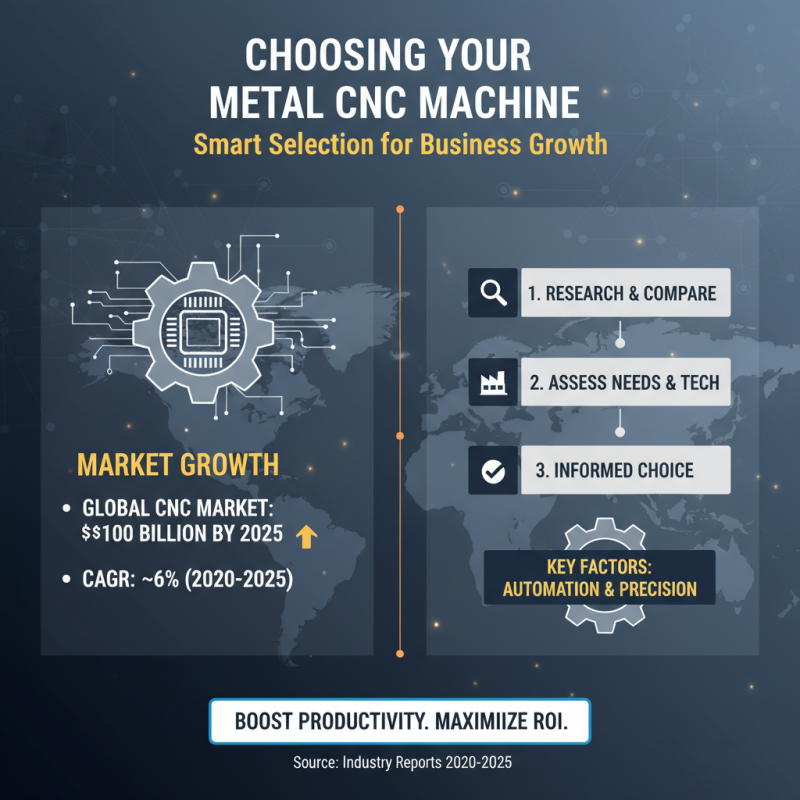
When selecting the right metal CNC machine for your business, thorough research and comparison of manufacturers and models is crucial. The global CNC machine market is projected to reach approximately $100 billion by 2025, growing at a CAGR of around 6% from 2020, driven by technological advancements and increased automation in various industries. This underscores the importance of making an informed choice that aligns with the specific needs of your operation.
Start by identifying your machining requirements, whether you need precision cutting, milling, or a combination of features. Reviewing specifications such as spindle speed, feed rate, and tool capacity will help narrow down the most suitable models. Industry reports indicate that manufacturers leveraging advanced features, like adaptive machining and IoT integration, show increases in efficiency and productivity metrics by up to 30%. Evaluating customer reviews and third-party performance reports can offer insights into the reliability and service quality of different models.
Additionally, consider the support and training provided by manufacturers, as well as the availability of spare parts. According to a survey by the Association for Manufacturing Technology, businesses prioritize suppliers who not only deliver high-quality equipment but also offer comprehensive after-sales support. This aspect can significantly influence the total cost of ownership, minimizing downtime and ensuring your machine operates optimally throughout its lifespan.