Why Choose CNC Inserts for Your Machining Needs?
When it comes to precision machining, choosing the right tools significantly impacts the outcome. Cnc inserts have become a top choice in modern manufacturing. These tools excel in efficiency and accuracy.
Cnc inserts are designed to withstand intense pressure and heat. This durability ensures a longer lifespan, leading to cost savings. Their versatility allows them to work with numerous materials, from metals to composites. Many manufacturers have seen performance improvements when using cnc inserts.
However, not all cnc inserts are created equal. Selecting the right type involves understanding your specific needs. Factors like material properties and machining conditions play a crucial role. A well-informed choice can elevate your machining processes.
Benefits of Using CNC Inserts in Machining Processes
CNC inserts have become essential in modern machining processes. They offer a range of benefits that enhance efficiency and precision. One significant advantage is their ability to produce high-quality finishes. This capability stems from their sharp cutting edges that reduce excess friction. As a result, the lifespan of both the insert and the machine increases.
Another benefit is versatility. CNC inserts can be used on various materials, including metals and plastics. This adaptability allows manufacturers to switch between different tasks quickly. However, selecting the right insert requires careful consideration. Choosing the wrong insert might lead to diminished performance or increased costs.
Additionally, CNC inserts often contribute to reduced waste and lower production costs. This is achieved through accurate machining, which minimizes errors. Yet, there can be complexities in maintaining these tools. Regular inspections and proper handling are crucial. Neglecting these aspects can result in decreased productivity, which could negate some benefits. Understanding the nuances of CNC inserts is vital for maximizing their advantages in machining.
Types of CNC Inserts Available for Different Materials
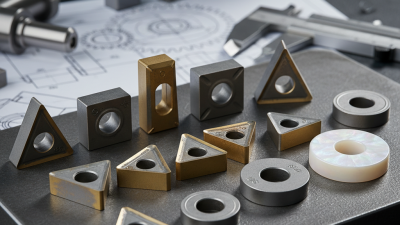
CNC inserts are essential for efficient machining. Different types of inserts cater to various materials, enhancing performance and precision. For instance, carbide inserts are widely used for hard materials due to their durability and resistance to wear. Recent industry reports indicate that carbide inserts improve tool life by up to 50% compared to standard high-speed steel.
Ceramic inserts also play a crucial role in machining. They excel when working with hardened steels and cast iron. These inserts withstand extreme temperatures, up to 800°C, while maintaining cutting efficiency. However, they can be brittle and may chip under excessive pressure.
In addition, specialized inserts exist for softer materials. For aluminum, positive rake angle inserts minimize cutting force and maintain surface finish. The precision of these inserts can reduce machining time significantly. However, the wrong choice of inserts can lead to increased tool wear and a decrease in machining quality. It's essential to understand the material properties and select the appropriate insert type for optimal results.
Factors to Consider When Selecting CNC Inserts
When selecting CNC inserts, several crucial factors come into play. The material of the inserts heavily influences their performance. Inserts made from carbides offer exceptional hardness but may lack toughness. According to a recent industry report, carbide drives 70% of the market for CNC tools, highlighting its preference among manufacturers.
Another consideration is the geometry of the insert. Different shapes serve various machining purposes. For instance, a sharp cutting edge works well for finishing tasks, while a robust design suits heavy-duty applications. Reports indicate that improper geometry can lead to a 30% decrease in tool life. Choosing the right shape is, therefore, essential for maximizing efficiency and minimizing costs.
Coating plays a significant role, too. Coated inserts can enhance durability and resist wear. However, not all coatings are suitable for every material. For example, TiN (Titanium Nitride) is effective for aluminum machining but may underperform with steel. Evaluating the specific machining requirements and the workpiece material is vital for effective selection.
Comparison of Different CNC Insert Materials
This chart illustrates the cost of various CNC insert materials, helping you evaluate the financial aspect when choosing the right inserts for your machining needs. Higher costs often correlate with better material properties suited for specific applications.
Maintenance and Care for CNC Inserts to Enhance Longevity
CNC inserts are vital for precision machining. To maximize their lifespan, proper maintenance is essential. One overlooked aspect is cleaning. Accumulated debris can hinder performance. Regularly inspect and clean inserts after use. This simple step can greatly enhance their effectiveness.
Tips: Use a soft brush or air blower to remove chips. Avoid harsh chemicals; they can damage inserts. Always refer to the manufacturer's guidelines for specific care recommendations.
Storing CNC inserts correctly is another key factor. An improper environment may lead to dulling or chipping. Keep inserts in a dry, organized space. Moisture can cause rust, which affects cutting edges. Check your storage conditions periodically.
Tips: Use anti-corrosion oil for prolonged preservation. Avoid stacking inserts directly on top of each other. Consider using dedicated holders for optimal organization.
Assess your machining practices regularly. Adjusting feed rates and cutting speeds can minimize insert wear. Listen to operator feedback; they often spot issues early. Incorporating these practices can lead to a more efficient process, extending the life of your CNC inserts.
Cost Efficiency of CNC Inserts Compared to Traditional Cutting Tools
CNC inserts offer notable cost efficiency when compared to traditional cutting tools. The initial investment in CNC inserts may seem higher, but their longevity translates into significant savings over time. These inserts are designed to withstand wear and tear, which means less frequent replacements. For shops focusing on productivity, this durability can lead to lower overall expenses.
Additionally, CNC inserts provide improved machining speeds. With faster cutting capabilities, they reduce the time spent on each job. This means more projects can be completed in a shorter period. Consequently, labor costs decrease as machines operate efficiently without frequent interruptions for tool changes. However, it’s essential for operators to consider the specific materials being machined. Not every insert is suitable for every application. Mistakes in selection can lead to increased costs instead of savings.
While the benefits are clear, some might question the complexity of setup and customization with CNC inserts. Adjusting to new tools can present a learning curve. Some operators may find it challenging at first, and reflect on the training needed to maximize the use of these tools. Ultimately, the right approach and skills development yield excellent returns on investment.
Why Choose CNC Inserts for Your Machining Needs? - Cost Efficiency of CNC Inserts Compared to Traditional Cutting Tools
| Parameter |
CNC Inserts |
Traditional Cutting Tools |
| Tool Life (hrs) |
50-100 |
20-50 |
| Cost per Tool ($) |
10-30 |
20-50 |
| Material Removal Rate (mm^3/min) |
300-600 |
100-300 |
| Setup Time (min) |
5-10 |
10-20 |
| Overall Efficiency (%) |
85-90 |
70-75 |