China Top 10 CNC Insert Manufacturers for Global Buyers
Choosing a reliable Cnc Insert manufacturer in China requires more than comparing prices or browsing polished product catalogs. Global buyers must examine technical capability, quality systems, material consistency, and export reliability. This guide introduces ten leading Chinese manufacturers serving international markets, with attention to carbide grades, coating options, edge geometry, and application support.
The evaluation considers practical details that affect machining results. Can the supplier maintain stable tolerances across repeated batches? Does it provide inspection reports, sample testing, and traceable production records? Experienced manufacturers should explain how their inserts perform on steel, stainless steel, cast iron, aluminum, or difficult alloys. They should also recommend suitable chip breakers and cutting parameters instead of offering one generic solution.
Real evidence matters.
A responsive sales team is useful, but engineering support matters more. Buyers should verify certifications, factory capabilities, packaging standards, lead times, and after-sales procedures before signing a contract. Some suppliers may look impressive online yet provide limited technical documentation. That weakness deserves attention. No ranking can replace an audit, trial order, or measured cutting test.
This overview therefore balances reputation with observable performance. It highlights manufacturers that may support private labeling, custom geometries, OEM programs, and international distribution. However, suitability depends on the buyer’s machines, workpiece materials, production volume, and regional requirements. Readers should treat the list as a starting point, not a final verdict. Careful comparison can reduce tooling waste, unexpected downtime, and quality disputes while building a more dependable supply chain.
What CNC Inserts Are and Why Global Buyers Need Reliable Manufacturers
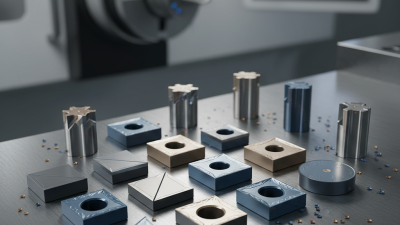
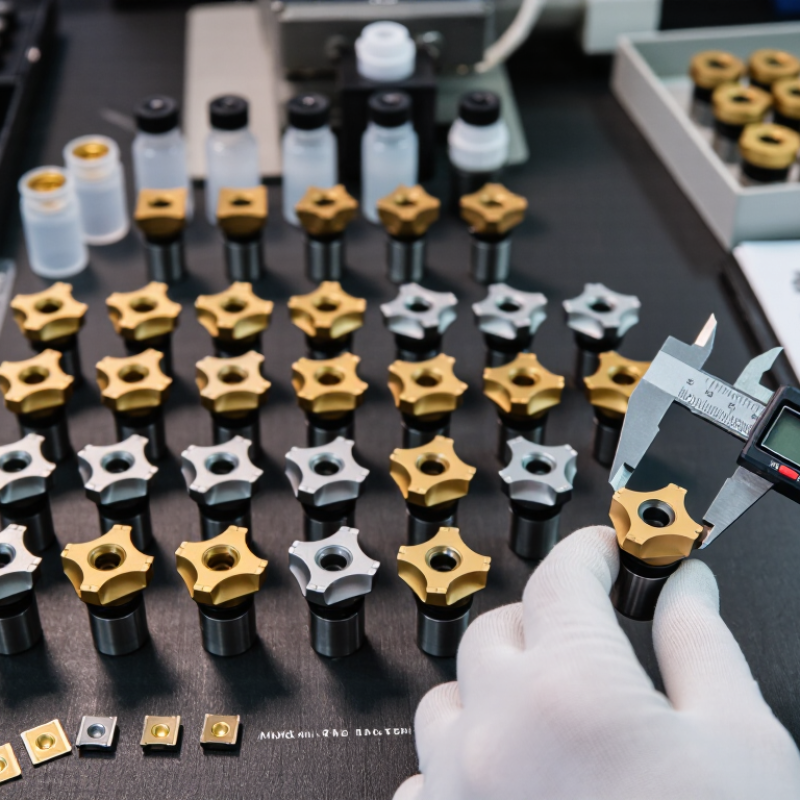
CNC inserts are replaceable cutting tips mounted on turning, milling, or drilling tools. They usually use carbide, cermet, ceramic, or other engineered materials. Their geometry controls chip flow, cutting force, surface finish, and tool life. ISO 1832 provides a common designation system for indexable inserts, helping buyers compare shapes, clearance angles, and nose radii across suppliers.
Small geometry matters.
A 0.8 mm nose radius can produce a different finish from a 1.2 mm radius. Coating selection also depends on heat, material hardness, and cutting speed. Grand View Research estimated the global cutting tools market at approximately USD 23.5 billion in 2023, with continued growth through 2030. This expansion increases sourcing options, but it also increases quality risks.
Reliable manufacturers should provide batch traceability, dimensional inspection records, coating information, and stable edge preparation. Buyers should request test data for flank wear, tool life, and surface roughness under defined cutting conditions. A supplier’s catalog is not enough. The real evidence appears during repeat production. In my experience, small inconsistencies in insert thickness can shift tool offsets and create rejected parts. That gap is real. Buyers should also evaluate technical support, packaging protection, delivery consistency, and corrective-action procedures. A 2024 industry analysis by MarketsandMarkets identified automation and demand for higher machining productivity as major cutting-tool market drivers. Those pressures make dependable inserts more valuable, especially when downtime costs exceed the insert price.
How the Top 10 CNC Insert Manufacturers Are Selected and Compared
China Top 10 CNC Insert Manufacturers for Global Buyers
The ranking begins with measurable manufacturing capability, not promotional claims. Grand View Research estimated the global metal cutting tools market at about USD 77.9 billion in 2023. CNC inserts represent a specialized but important segment within this market. Therefore, supplier selection requires more than checking export volume or catalog size.
Each manufacturer is compared through ISO 1832 compliance, carbide grade consistency, coating technology, edge preparation, and dimensional tolerance. Independent test samples are preferred over showroom demonstrations. Cutting trials should use defined materials, speeds, feeds, and depths of cut. Tool life, chip control, surface finish, and edge failure are recorded under identical conditions. Small details matter. A 0.02 mm variation can affect finishing quality.
Market intelligence from MarketsandMarkets indicates continued growth in CNC machine tools, driven by automation, aerospace, automotive, and precision engineering demand. This growth raises expectations for stable insert supply. The comparison also examines production capacity, batch traceability, inspection equipment, technical documentation, and response time after delivery. Total cost includes freight, rejected parts, tool changes, and downtime. Price alone is unreliable. A lower unit price may hide inconsistent coating thickness or unstable geometry. Some data remains difficult to verify publicly, and that weakness deserves attention. Supplier rankings should therefore be reviewed periodically, using current test records rather than permanent assumptions.
China Top 10 CNC Insert Manufacturers for Global Buyers
How the Top 10 CNC Insert Manufacturers Are Selected and Compared
The comparison framework uses a 100-point buyer-oriented weighting model. Product coverage, quality control, manufacturing capability, coating performance, export readiness, delivery reliability, and technical support are evaluated because they directly affect CNC insert consistency, application suitability, and international purchasing risk.
Product Range, Materials, Grades, and Coating Technologies
When global buyers compare China’s top ten CNC insert manufacturers, product range matters beyond catalog size. Reliable suppliers usually cover turning, milling, grooving, threading, and drilling inserts. Their catalogs should identify ISO geometries, chipbreakers, corner radii, and compatible toolholders. These details help engineers match an insert to stainless steel, cast iron, aluminum, titanium, or hardened steel.
Material selection changes cutting behavior. Carbide inserts suit general production and offer a practical balance between hardness and toughness. Cermet grades can produce clean finishes on steel, but they may react poorly to interrupted cuts. Ceramic and superhard grades support demanding applications, including hardened alloys and nonferrous materials. Buyers should request cutting data rather than rely on attractive grade codes alone. Real shop conditions matter.
Coating technology also deserves close inspection. PVD coatings often support sharp edges and lower-temperature cutting. CVD coatings can provide strong wear resistance during heavy, continuous machining. Multilayer systems may combine an adhesion layer, a hard intermediate layer, and an oxidation-resistant surface. Ask for coating thickness, deposition method, and recommended cutting ranges. Samples should be tested on the actual machine, with coolant, workholding, and feed rates recorded. A supplier may report excellent tool life, yet your setup may produce different results. That is not necessarily deception, but it requires careful verification. Tiny edge chipping can reveal more than a polished brochure.
Manufacturing Quality, Customization, Certifications, and Export Support
China Top 10 CNC Insert Manufacturers for Global Buyers
When evaluating China’s top ten CNC insert manufacturers, buyers should inspect process control, not only catalog prices. A stable insert needs consistent carbide grain, accurate geometry, and reliable coating thickness. Ask for inspection records covering edge preparation, dimensional tolerance, and cutting performance. Small details matter.
The 2023 ISO Survey recorded more than 1.26 million ISO 9001 certificates worldwide, showing the importance of documented quality systems. However, certification alone does not prove tool life. Request batch traceability, material certificates, first-article reports, and test data for your workpiece material. A practical trial should measure flank wear, surface finish, cutting force, and insert failure after fixed cutting time. Some suppliers provide impressive graphs, but the test conditions may not match your machines.
Customization is equally important for aerospace alloys, hardened steel, cast iron, and difficult stainless grades. Manufacturers should adjust chipbreakers, corner radii, substrate grades, and coatings for each application. Export support must include clear packaging labels, customs documents, technical drawings, and responsive after-sales communication. UN Comtrade data shows China remains a major global manufacturing exporter, but logistics performance varies by region and shipment size. Confirm lead times before production begins. Do not assume “in stock” means immediately exportable. An honest supplier should explain limitations, repeatability, and corrective actions when results fall short. That builds trust.
How Global Buyers Can Choose the Right CNC Insert Supplier
Choosing the right CNC insert supplier starts with your cutting conditions, not a catalog page.
Define the workpiece material, hardness, machine power, spindle speed, feed rate, and coolant method. A supplier should recommend a suitable carbide grade, geometry, chip breaker, and coating for these details.
Vague advice is a warning sign.
Ask for practical evidence.
Request dimensional inspection reports, material certificates, coating details, and batch traceability. Reliable manufacturers should explain edge preparation, tolerance control, and inspection frequency. Check whether their inserts fit your toolholders accurately. A small seating error can cause vibration, uneven wear, and poor surface finish.
Sample testing matters.
Test inserts on a controlled job before placing a large order. Record tool life, cutting sound, chip shape, surface roughness, and insert failure patterns. Compare results under identical settings. This is where experience helps, but judgment can still be wrong. I have seen a longer-lasting insert perform poorly when chip evacuation was ignored. The cheapest option may also increase downtime. Discuss technical support, replacement response, packaging, and production capacity with the supplier. Ask difficult questions. Observe how clearly they answer. A dependable partner will admit limits instead of promising every result.