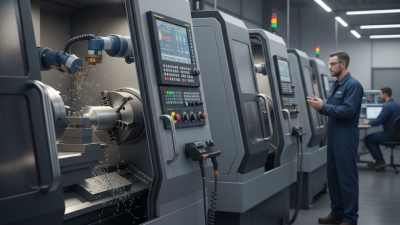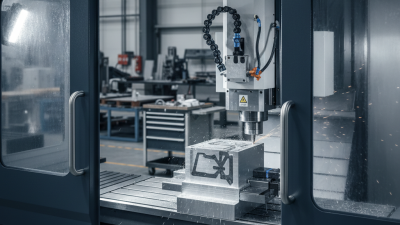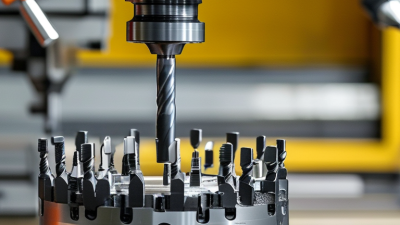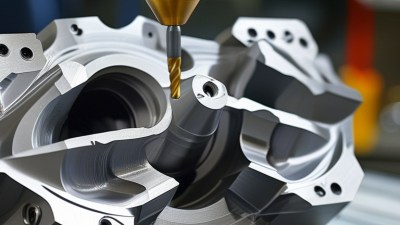
Choosing a CNC nozzle is a small decision with visible consequences: coolant may miss the cutting edge, chips may linger, and tool temperature can rise. This guide to 2026 Best CNC Nozzle Types for Global Buyers compares adjustable, flexible-hose, fixed-position, air-blast, and high-pressure options. Each serves a different setup. There is no universal winner.
A practical choice starts with the machine, cutting process, and fluid delivery method. Check the nozzle’s thread or mounting interface, operating pressure, flow needs, material compatibility, and resistance to shop-floor wear. A short flexible hose may be easy to reposition, while a rigid nozzle can hold alignment more consistently. Through-tool delivery may suit compatible machines and tooling, but it is not a simple retrofit for every setup. Small details matter. A few millimeters can change where coolant lands.
Global buyers also need to consider replacement parts, supplier documentation, shipping availability, and local service support. Ask for clear specifications, then confirm fit and performance on the actual machine before ordering in volume. The phrase “Nozzle Cnc” appears in many product searches, but listings can use inconsistent names. Compare dimensions and working conditions, not labels alone. And be honest about trade-offs: a low-cost nozzle may work well, yet its joints or seals may need closer inspection over time. That is worth checking. The sections ahead explain how nozzle types differ, what to verify, and how to match an option to real machining needs.
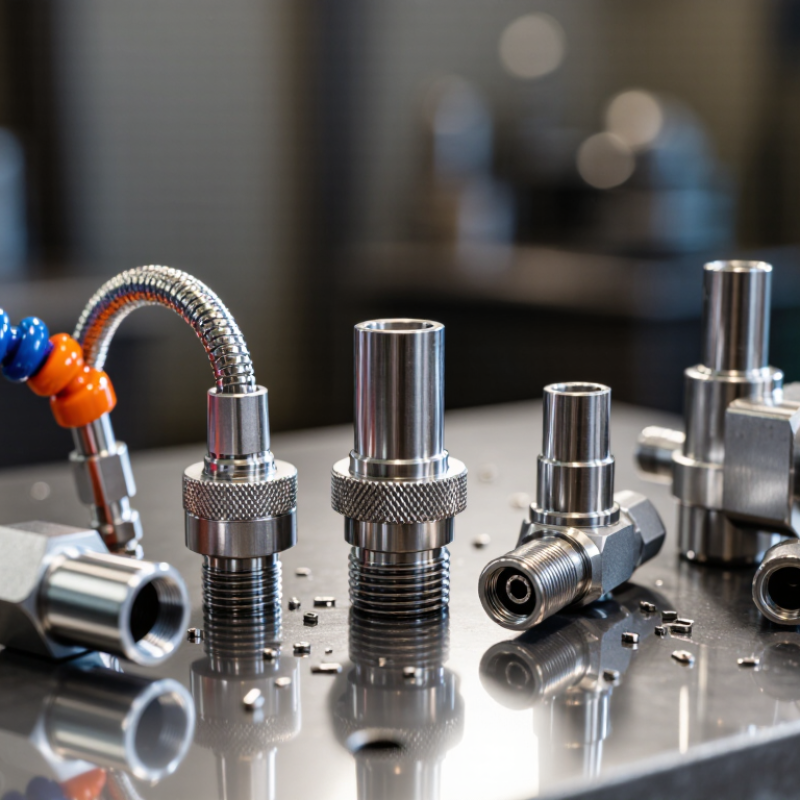
2026 Best CNC Nozzle Types for Global Buyers
What CNC Nozzles Are and How They Function
A CNC nozzle directs air, coolant, or assist gas toward the cutting zone. Its shape, opening, and alignment affect flow and delivery. In milling, coolant nozzles help carry heat and chips away from the tool. In laser cutting, a nozzle channels assist gas around the beam to clear molten material. Common designs include single- and double-layer laser nozzles, plus adjustable coolant nozzles for machining. The right choice depends on the process, material, pressure, and machine setup—not appearance alone.
Nozzle details matter as automated production grows. The International Federation of Robotics reported 4,281,585 industrial robots operating in factories worldwide in 2023, in its World Robotics 2024 report. This figure does not measure CNC nozzle use, but it reflects a wider move toward automated manufacturing, where consistent flow and repeatable setup matter. In practice, even a small burr or worn opening can disrupt the stream. I have seen nozzle selection treated as an afterthought; that is not always wise. Yet changing the nozzle alone will not fix poor alignment or incorrect pressure.
Tips: Check the nozzle opening for chips and wear, then confirm its position before cutting. Match material and process requirements. Keep a spare nearby. A clean nozzle helps, but it cannot compensate for a wrong setup.
A CNC nozzle directs assist gas toward the cutting zone. Single-layer and double-layer nozzles are common laser-cutting designs; the appropriate type depends on the cutting process, material, and gas. This chart compares the cross-sectional areas of circular bores at example diameters. Areas are calculated using π × diameter² ÷ 4; they are not flow-rate measurements or universal size recommendations. Actual gas flow also depends on pressure and nozzle design.
2026 Best CNC Nozzle Types for Global Buyers
The Main Types of CNC Nozzles and Their Design Features
CNC nozzles shape how coolant, air, or lubricant reaches the cutting edge. Fixed jet nozzles produce a steady stream and suit repeatable jobs, but their aim can be difficult to change. Adjustable ball-and-socket nozzles let operators direct flow toward a tool tip or chip zone. Their joints need periodic checks; vibration can shift the setting.
Through-tool nozzles send coolant through the spindle and tool, helping reach deep holes and enclosed cutting areas. They require compatible tooling and adequate pressure. Mist nozzles atomize a small amount of fluid with compressed air, while air-blast nozzles clear chips without applying liquid. CIRP Annals research by Weinert and colleagues (2004) describes minimum-quantity lubrication rates of roughly 10–100 millilitres per hour, far below typical flood delivery. That figure is a useful reference, not a universal setting. Fit matters. Match the nozzle outlet, flow direction, and pressure to the operation, then verify coverage on the actual machine. A beautiful spray pattern can still miss the cutting edge.
CNC nozzle selection depends on the job, coolant, and operating conditions. Straight nozzles deliver a focused stream to a cutting edge, while fan-shaped outlets cover a wider area. Adjustable ball nozzles are convenient for repositioning, though their joints can shift under vibration. Brass is easy to machine and suits many general-purpose setups. Stainless steel handles harsher environments and frequent cleaning. Polymer nozzles resist some chemicals and weigh less, but heat and impact may limit their use. Small details matter.
Orifice size affects flow and pressure. A narrow opening creates a concentrated jet, but may clog more easily when coolant contains fine chips. Larger openings provide more flow, yet can reduce local pressure if the pump is undersized. Check the machine’s flow range and measure the outlet, rather than relying on appearance. Catalog dimensions do not always match a worn nozzle.
Tips: Aim the stream at the tool-chip contact point, then inspect it during a real cut. Compare chip evacuation and tool temperature at the same feed rate. A simple test can reveal more than a specification sheet. Not always. A nozzle that performs well on one machine may need adjustment on another.
Matching a CNC nozzle starts with the machine, not the catalog. Check the coolant outlet, available pressure, flow rate, mounting thread, and clearance around the tool. A fixed nozzle can deliver a steady stream to a repeatable cutting point, while a flexible segmented nozzle is easier to reposition between jobs. For air-only chip clearing, confirm that the machine can supply enough volume without simply pushing chips deeper into the work area. Small details matter.
The application sets the next requirements. Deep pockets and long tools may need a directed stream that reaches the cutting edge and carries chips away. Face milling often benefits from broad, consistent coverage. For aluminum, steel, or other materials, consider the operation, cutting fluid, and chip shape rather than choosing by material name alone. A high-pressure system needs a nozzle rated for its operating conditions; never assume a standard fitting is suitable. Not every setup agrees. Check the nozzle angle during a test cut, then inspect chip evacuation and surface finish. A catalog can make matching look simpler than it is: even a sound nozzle may perform poorly if a vise, guard, or tool holder blocks its path.
“Best” depends on the machine’s coolant or air-delivery system, tool setup, work material, and machining operation. Use this comparison as a selection guide, then confirm interfaces, pressure limits, and fluid compatibility with the machine and tooling documentation.
| Nozzle type | How it delivers fluid or air | Suitable machines and setup | Typical applications | Key selection checks | Practical limitations |
|---|---|---|---|---|---|
| External flood coolant nozzle | Directs a continuous stream of coolant from a machine-mounted outlet toward the cutting zone. | CNC mills, lathes, and other machines with an external coolant supply. | General milling and turning; cooling and chip flushing where the tool and workpiece are accessible. | Check mounting method, outlet size, adjustment range, coolant-flow capacity, and clearance around the tool. | Tool holders or workpiece features can block the stream, especially in deep cavities or complex cuts. |
| Flexible segmented hose nozzle | Uses linked, repositionable segments to aim coolant or air; the outlet shape depends on the fitted end piece. | Machines with external coolant or air lines and a suitable hose connection. | General-purpose setups that need frequent manual adjustment or access to different cutting areas. | Match the hose connection and passage size to the supply line; confirm that the segments hold position under flow and vibration. | Position may need readjustment. It is not a substitute for a sealed through-tool coolant path. |
| Through-tool coolant nozzle or delivery path | Routes coolant through compatible spindle, holder, and tool passages to outlets near the cutting edge. | CNC machines equipped for through-spindle or through-tool coolant, with compatible holders and tools. | Drilling, deep-hole operations, and machining where external coolant has difficulty reaching the cutting zone. | Verify the machine’s coolant configuration, tool and holder passages, sealing requirements, and permitted operating pressure. | Requires a compatible machine-and-tooling chain; the delivery path cannot be assumed from the nozzle or tool alone. |
| High-pressure coolant nozzle | Directs coolant from a high-pressure supply through a suitably rated delivery system toward the cutting area. | CNC lathes, turning centers, or machining centers specifically configured for high-pressure coolant. | Chip control in suitable turning operations and coolant delivery to difficult-to-reach cutting zones. | Confirm ratings for the pump, lines, fittings, nozzle, holder, and machine; follow the tooling and machine manufacturers’ limits. | Not suitable for an ordinary low-pressure coolant circuit unless the complete system is designed and rated for the required service. |
| Air-blast nozzle | Directs compressed air toward the tool or work area to clear chips or dry surfaces. | CNC machines with a regulated, appropriately filtered compressed-air connection. | Chip clearing, drying, and operations where air rather than liquid coolant is specified. | Check the air-line connection, flow and pressure requirements, nozzle direction, and machine safety procedures. | Air alone does not provide the same lubrication or cooling as a suitable cutting fluid; manage chips and airborne debris safely. |
| Mist or minimum-quantity lubrication (MQL) nozzle | Applies a controlled, small quantity of lubricant as a mist or directed spray, according to the system design. | Machines equipped with a compatible MQL or mist-delivery system. | Selected cutting operations designed for MQL, where the process and material are suitable for limited lubricant delivery. | Confirm lubricant type, metering method, air supply, nozzle placement, and compatibility with the machine’s extraction and safety provisions. | Not a universal replacement for flood coolant; suitability depends on the material, tool, operation, and workplace controls. |
| Adjustable multi-outlet coolant nozzle | Splits a coolant supply into multiple directed outlets or jets. | Machines with sufficient coolant flow and an external mounting or manifold arrangement. | Operations with several cutting edges or areas that benefit from coolant aimed from more than one direction. | Check total flow demand, outlet adjustability, mounting clearance, and whether each jet can reach the intended area. | Dividing the flow can reduce delivery at individual outlets; verify performance under the actual machine’s supply conditions. |
Buyer checklist: Before ordering, confirm the machine connection, coolant or air medium, required flow and pressure, nozzle material compatibility, mounting space, and any tool-holder or spindle requirements. For international sourcing, also confirm thread standard and units, documentation, and applicable machine-safety requirements.
For global buyers, nozzle compatibility starts at the machine, not the catalog. Confirm the process, holder interface, thread, orifice diameter, gas, and working pressure before ordering. A laser-cutting nozzle and a plasma torch nozzle are not interchangeable. Small parts matter. Even a slight mismatch can disturb gas flow or cutting clearance. Ask for dimensional drawings and tolerances, then test samples on the actual machine and material. Check the cut edge, dross, and nozzle wear under repeatable settings. A polished finish alone proves little.
Quality should be judged by measurable consistency: concentricity, clean orifices, material traceability, and variation between production lots. The International Federation of Robotics reported 541,302 industrial robot installations worldwide in 2023 in World Robotics 2024. That figure is not nozzle-specific, but it shows the scale of automated production where repeatable consumables matter. Supply also deserves scrutiny. Request realistic lead times, batch identification, and notice of material or design changes. Keep a qualified backup source where practical. It may add testing work, and not every substitute performs equally. Test before scaling.