What are the Benefits of CNC Probes in Manufacturing?
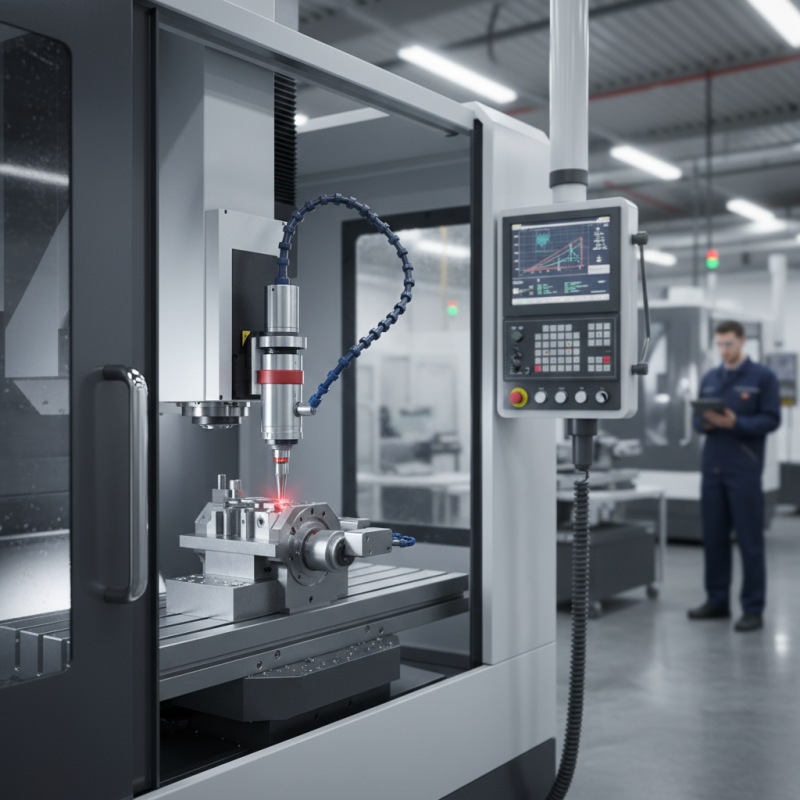
CNC probes are a vital tool in modern manufacturing. They help ensure precise measurements and improve overall efficiency. By integrating CNC probes, companies can elevate their quality control standards. This technology offers real-time data gathering, streamlining workflows.
Precision is often crucial. However, relying solely on CNC probes may lead to potential errors if not monitored. Operators must be trained to manage these tools effectively. Some may overlook maintenance, risking inaccuracies.
Despite challenges, the benefits of CNC probes outweigh the drawbacks. They enhance productivity and offer robust solutions for complex tasks. As manufacturing continues to evolve, CNC probes will play an essential role in achieving higher standards.
Overview of CNC Probes in Manufacturing
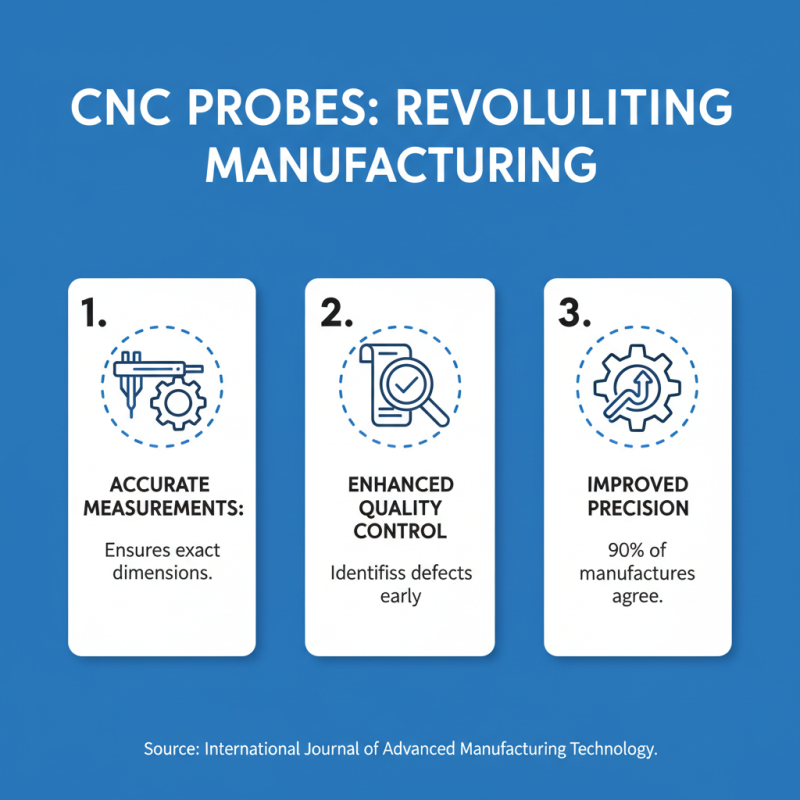
CNC probes are transforming the manufacturing landscape. They provide accurate measurements and enhance quality control. According to the International Journal of Advanced Manufacturing Technology, about 90% of manufacturers reported improved precision after integrating CNC probing systems.
These probes enable in-process inspections. This minimizes errors during production. This leads to significant savings. A study by the Association for Manufacturing Technology revealed that manufacturers could cut operational costs by 30% with real-time data from probes. When measurements are taken directly on the machine, it reduces the need for rework.
However, implementing CNC probes is not without its challenges. Initial setup can be time-consuming. Training staff to use these systems effectively is crucial. Another point to consider is the potential for technical issues. Maintaining equipment is essential for reliability. Manufacturers must weigh these aspects against the benefits of efficiency and quality control.
Precision Measurement and Quality Control Benefits
CNC probes have revolutionized precision measurement in manufacturing. These devices efficiently measure dimensions and inspect features, ensuring products meet exact specifications. By integrating CNC probes into production lines, manufacturers experience improved quality control. Components are rapidly scanned and data is collected in real-time. This minimizes human error and reduces wasted materials.
Precision is crucial in manufacturing. A slight deviation in measurements can lead to significant quality issues. CNC probes help identify these deviations early in the process. They allow companies to correct issues before products leave the floor. However, challenges remain. Operators must be trained to interpret the data effectively. Relying solely on technology can overlook subtle anomalies.
Moreover, while CNC probes provide consistent accuracy, they can pose limitations in certain environments. For example, changing temperatures may affect readings. It's important to consider the context of measurements. Regular recalibration of the probes is essential. Without this, even the best technology may yield flawed results. Quality control is a continuous process that requires human oversight alongside technical advancements.
Improved Efficiency and Reduced Production Time
CNC probes significantly enhance manufacturing efficiency by automating measurement processes. According to a recent industry report, manufacturers utilizing CNC probing systems can see a 30% reduction in production time. This dramatic decrease allows companies to deliver products faster and respond to market demands effectively.
Improved accuracy is another crucial advantage. Data shows that CNC probes can boost measurement precision by 50%. This reduction in errors leads to fewer reworks and scrap materials. Such improvements not only save time but also reduce costs. Quick adjustments during machining further streamline operations.
Tip: Implement regular training sessions for operators to maximize the benefits of CNC technology. Engage with your team on possible challenges. Remember, not every process will go as planned. Monitor progress and adjust strategies accordingly for continuous improvement.
Cost Savings and Waste Reduction in Production
CNC probes are transforming the manufacturing landscape. They enhance precision, leading to notable cost savings. A study by the National Institute of Standards and Technology shows that manufacturers can reduce inspection time by up to 75% using probes. This efficiency not only cuts labor costs but also minimizes the chance of human error.
Waste reduction is another critical advantage. Probes ensure that materials are utilized optimally. According to industry data, adoption of CNC probes can reduce scrap rates by 30%. This is crucial in a market that demands sustainability. However, some manufacturers struggle to integrate new technologies. Challenges include training staff and initial setup costs. These factors can hinder the benefits.
A balance must be struck between investment and savings. While CNC probes promise significant reductions in waste, the transition requires careful planning. Manufacturers need to evaluate their current processes. Only then can they fully reap the benefits of this advanced technology.
Integration with Automation and Smart Manufacturing Systems
CNC probes have become essential in smart manufacturing. They facilitate seamless integration with automation systems. This integration significantly enhances production efficiency. Reports indicate that automated systems can improve efficiency by 30% or more. However, this potential often goes unrealized due to improper setup and configuration.
Smart manufacturing requires accurate data collection. CNC probes provide precise measurements, enabling real-time adjustments. A study from the Manufacturing Institute shows that 80% of firms see better quality control with these technologies. Yet, many manufacturers struggle with integration. They often face challenges in data management and system compatibility. These issues can lead to inconsistent quality and increased downtime.
The fusion of CNC probes and automation opens new avenues. It allows for predictive maintenance, reducing unplanned outages. Data analytics can pinpoint when a machine requires service. However, companies must invest in training their workforce. Poorly trained staff can lead to improper usage. Addressing these challenges is crucial for truly harnessing the power of CNC probes in smart manufacturing.