What is Bearing Cnc and How It Benefits Global Buyers?
Bearing CNC technology has transformed manufacturing processes across industries. Its precision machining capabilities ensure the production of high-quality bearing components. According to a recent report by MarketsandMarkets, the CNC machine market is projected to reach $100 billion by 2026, highlighting significant growth in automation technologies.
Global buyers benefit greatly from Bearing CNC. This technology enhances efficiency, reduces waste, and provides consistent quality in production. An article from Research and Markets noted a 15% reduction in production costs through CNC automation, making it a game-changer for manufacturers. However, challenges remain. The transition to Bearing CNC can require substantial investment, and some manufacturers may struggle with the learning curve.
Bearing CNC is not just about machinery; it represents a shift in industry standards. Companies must adapt to stay competitive. The need for skilled operators increases as technology evolves. As buyers seek suppliers, they must weigh both risks and rewards with Bearing CNC. It's essential to understand these dynamics for informed decisions in global markets.
What is Bearing CNC?
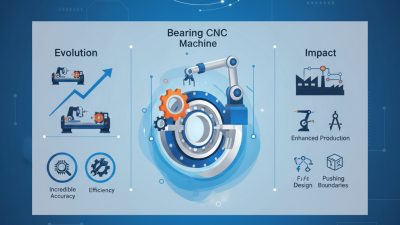
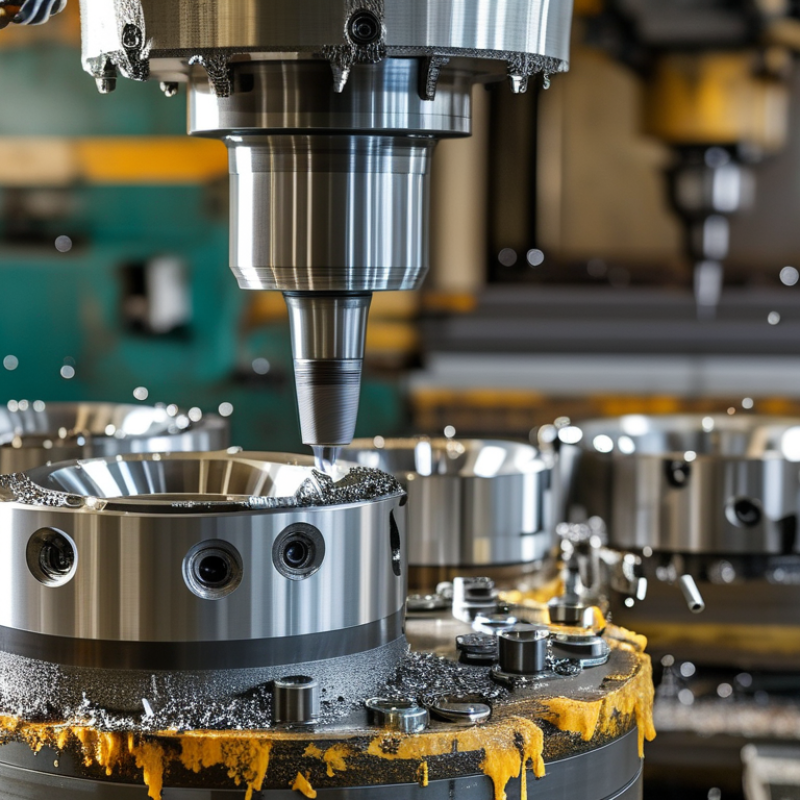
Bearing CNC, or Computer Numerical Control for bearings, represents a significant advancement in precision manufacturing. This technology enables manufacturers to produce high-quality bearings with exceptional accuracy and efficiency. According to a report by the International Federation of Robotics, CNC machines have increased production rates by up to 30% in the bearing industry. This elevates manufacturing capabilities, meeting the growing demand in global markets.
One of the key benefits of Bearing CNC is its ability to reduce waste. Traditional methods often lead to excess material usage, which isn't the case with CNC operations. Reports show that CNC machining can cut waste by as much as 50%. This efficiency not only lowers costs but also aligns with the industry's push for sustainable practices. For global buyers, this means access to products that are not just cost-effective but also environmentally friendly.
Tip: Always verify the CNC technology and processes used by potential suppliers. Understanding their methods can help assess quality and reliability.
Moreover, Bearing CNC allows for
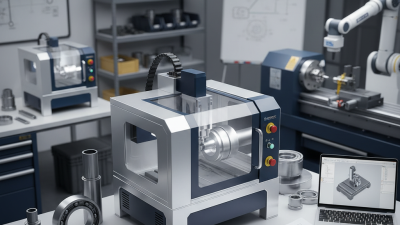
rapid prototyping. Manufacturers can quickly test new designs and modify them based on performance data, allowing for continuous improvement. Yet, implementing these technologies requires skilled personnel. Many companies face challenges in finding qualified workers, which can hinder production rates. Keep in mind,
investing in training can unlock the full benefits of Bearing CNC technology.
The Importance of CNC Technology in Bearing Manufacturing
CNC technology has revolutionized the bearing manufacturing industry. It allows for precise production, reducing human error. According to a report by ResearchAndMarkets, the global CNC machine market is expected to reach $100 billion by 2025. This growth indicates the increasing reliance on CNC technology across various sectors, including manufacturing bearings.
Benefits of CNC technology include enhanced accuracy and efficiency. CNC machines can produce complex designs consistently. This capability is crucial in the bearing industry, where tolerance levels can impact performance. A study from Technavio highlights that CNC machining improves productivity by about 30%. However, the transition to CNC systems requires investment and training.
Tips: Ensure your team receives proper training on CNC equipment. Familiarization reduces errors and enhances production quality. Regular maintenance of CNC machines is essential for optimal performance. Addressing issues promptly can prevent costly downtime and inefficiencies. As industries shift to automation, evaluating technology can also aid in future-proofing operations.
What is Bearing Cnc and How It Benefits Global Buyers? - The Importance of CNC Technology in Bearing Manufacturing
| Dimension |
Value |
Description |
| Material |
Steel |
Commonly used due to strength and durability. |
| CNC Process Type |
Milling |
Used for creating complex shapes and precise dimensions. |
| Tolerance Level |
±0.01 mm |
Ensures high precision in manufacturing. |
| Production Speed |
100 units/hour |
Efficient production capacity to meet demand. |
| Global Market Reach |
Over 50 countries |
CNC manufactured bearings are distributed globally. |
| Cost Savings |
30% reduction |
CNC technology reduces labor costs significantly. |
Advantages of CNC Machining for Bearing Production
CNC machining has revolutionized the production of bearings, a critical component in various industries. The technology offers precision engineering that enhances the overall quality of bearings. According to a recent industry report, CNC machining boosts accuracy by up to 50% compared to traditional methods. This precision leads to lower rates of failure and longer service life for applications.
One significant advantage of CNC machining is its ability to produce complex geometries. Bearings often require intricate designs to fit various systems. The flexibility of CNC allows manufacturers to customize shapes without compromising quality. It is reported that around 45% of manufacturers overlook the importance of design in bearing functionality, which could lead to increased costs and inefficiencies.
Another benefit is efficient material use. CNC technology minimizes waste, with reports indicating a 30% reduction in scrap during production. However, this requires careful planning and skill. Many manufacturers struggle with balancing speed and precision. While CNC machines can operate at high speeds, they often need calibration to maintain accuracy. It highlights a need for continuous training and improvement in the workforce.
Advantages of CNC Machining for Bearing Production
How Bearing CNC Enhances Global Supply Chains
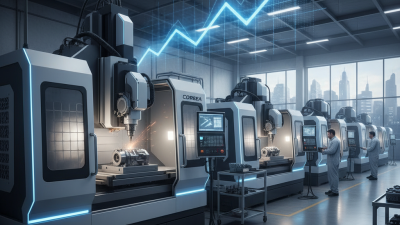
Bearing CNC technology plays a significant role in modern supply chains. It streamlines production processes, enhances precision, and reduces errors. A report by the International Federation of Robotics highlighted that automation, including CNC applications, can improve operational efficiency by up to 30%. This improvement translates into a more reliable supply chain for global buyers.
Moreover, automation reduces the lead time for manufacturing. According to a survey conducted by Industry Week, companies using CNC technology reported a 25% reduction in cycle time. This faster turnaround is crucial in today's fast-paced market. It allows suppliers to meet stringent deadlines and adapt quickly to changing demands. However, some companies hesitate to adopt this technology. They often face challenges such as training and initial investment costs.
Despite these obstacles, the benefits often outweigh the initial hurdles. High-quality production increases buyer confidence, creating long-lasting partnerships. Additionally, as global demand continues to rise, the need for efficiency grows stronger. Bearing CNC technology is not just a trend; it is becoming a necessity in global supply chains. Embracing this technology can lead to sustainable growth for buyers and suppliers alike. Ultimately, the CNC revolution in bearing manufacturing could redefine production standards.
Key Factors for Global Buyers When Sourcing CNC Machined Bearings
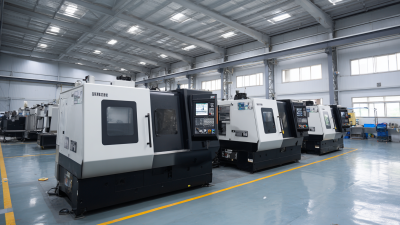
When sourcing CNC machined bearings, global buyers face several key factors. Understanding the manufacturing processes is crucial. Precision in CNC machining defines the quality of bearings. Buyers must assess manufacturers' capabilities to ensure high standards. Reliable suppliers often provide detailed specifications about their machinery and techniques.
Quality control measures hold significant importance. Buyers should inquire about inspection processes and certifications. It’s important to verify if the manufacturers conduct regular quality audits. This helps identify inconsistencies and areas for improvement in production. Communication with suppliers can reveal their commitment to maintaining standards.
Cost is another vital consideration. While affordability matters, it shouldn't compromise quality. Buyers sometimes lean toward cheaper options, risking durability. Reflecting on past experiences may guide better decisions. Building long-term relationships with trusted suppliers often yields better value and reliability over time. This focus not only fosters mutual growth but also enhances the overall sourcing experience.